
The Grammy Awards and the Shaping of Musical Prestige
When the recording industry’s trade organization handed out its first annual awards in 1959, rock and roll had already upended American popular music, and many of the executives running record labels and radio networks were anxious about who got to decide what counted as quality. The Grammy Awards were created, in part, as the industry’s own answer to that question: an attempt to separate artistic and technical merit from the sales charts and radio playlists that increasingly seemed to reward whatever a song could do commercially rather than musically. More than six decades later, the Grammys remain the most visible prestige marker in American popular music, and the story of how they built that authority says as much about the recording industry’s anxieties in the late 1950s and 1960s as it does about any individual winner.
An Industry Looking for Its Own Seal of Approval
The National Academy of Recording Arts and Sciences, known as NARAS, was founded in 1957 by a group of record company executives and producers who felt that popular music had no equivalent of the Academy Awards or the Emmys, honors that gave film and television a form of institutional respectability. Their concern was sharpened by the broader anxieties of the period: rock and roll’s sudden commercial dominance unsettled an older generation of industry professionals steeped in big-band and vocal-pop traditions, and the payola scandal, in which congressional investigators exposed undisclosed payments from record labels to radio personnel in exchange for airplay, had cast doubt on whether chart success reflected genuine merit at all, a controversy explored in depth in accounts of the payola scandal. Against that backdrop, NARAS positioned its new awards, first presented in 1959 for recordings released in 1958, as a peer-reviewed alternative to sales figures and radio rotation, voted on by musicians, producers, and engineers rather than by the public or by broadcasters.
Building an Institution: From Ceremony to Broadcast
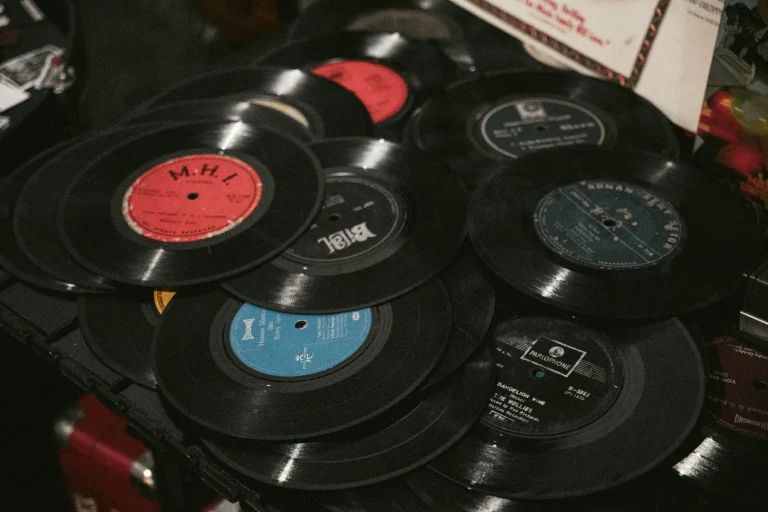
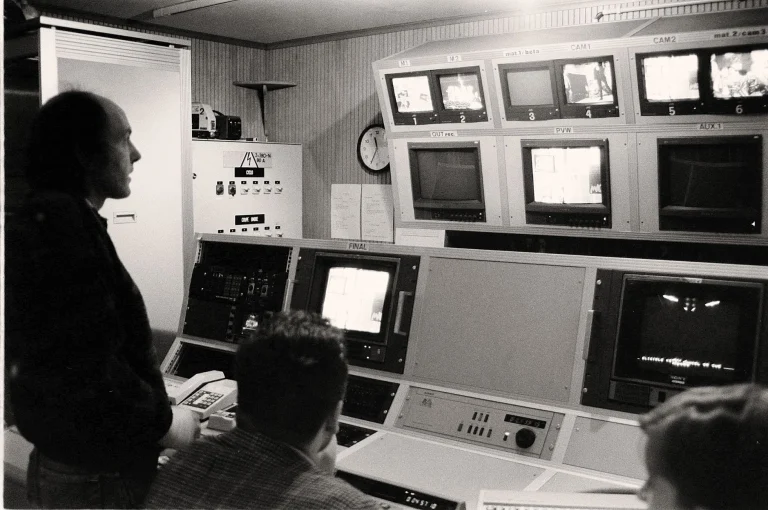
The trophy’s nickname came from the gramophone, the vintage phonograph shape of the statuette itself, and the ceremony grew steadily more elaborate through the 1960s as NARAS expanded its categories to keep pace with the proliferating genres of American music. The turning point for public visibility came in 1971, when the Grammy Awards were broadcast nationally on television for the first time, transforming what had been a trade-industry dinner into a mainstream media event watched by audiences who had no direct stake in the recording business. A televised broadcast meant the Grammys could manufacture moments, memorable performances, surprise wins, visible snubs, that extended well beyond the ceremony itself and into magazine coverage, radio chatter, and eventually everyday conversation, giving the awards a cultural footprint far beyond their original function as a private industry honor. The organization behind the show also evolved alongside the broadcast: NARAS eventually rebranded itself as the Recording Academy, built out regional chapters across the country, and took on an advocacy role in Washington on issues ranging from music education funding to copyright and royalty law, further cementing its claim to speak for the recording profession as a whole rather than for any single genre or label.
The Voters and Institutions Behind the Statue
What distinguished the Grammys from other measures of success, such as Billboard’s sales and airplay charts, was its voting process. Recording Academy members, people actually working as musicians, songwriters, producers, and engineers, nominated and voted for winners, at least in principle elevating craft and peer recognition above raw commercial performance. Categories such as Record of the Year, Album of the Year, Song of the Year, and Best New Artist became the most closely watched, while genre-specific categories multiplied over the following decades to accommodate rhythm and blues, rock, country, and eventually rap and Latin music. That expansion was rarely smooth: critics and historians have repeatedly pointed to moments when the Grammys’ mainstream, pop-oriented voting body appeared slow to recognize Black artists and emerging genres on equal footing with more conventional pop and rock acts, a pattern of perceived oversight that shadowed the ceremony’s reputation even as its prestige grew, echoing broader tensions described in histories of rock and roll’s early reception by an older, more cautious music establishment.
A Grammy nomination, and especially a win, quickly became a kind of marketing shorthand: a way of telling listeners that a record had been judged not just popular, but good, at least according to the industry’s own peers.
How the Grammys Shaped What Listeners Considered Important Music
For listeners, the Grammys offered a second axis of evaluation alongside the Top 40 charts long associated with radio programming and on-air personalities. A song or album did not need to top the charts to be understood as significant if it won or was nominated for a major Grammy award, and labels quickly learned to market “Grammy-winning” and “Grammy-nominated” credentials on album covers and advertising well after a record’s commercial run had ended. Over time, that dynamic helped shape a kind of informal canon of American popular music, an implicit list of records and performers treated as historically important, one frequently invoked in later retrospectives, documentaries, and best-of lists compiled by critics and fans alike. It also gave musicians across genres a shared benchmark for ambition: a songwriter working in country, jazz, or R&B could measure a career’s arc against the same ceremony that recognized a pop or rock peer, even when their audiences, radio formats, and sales figures had almost nothing in common.
Legacy: Prestige in the Streaming Era
The basic tension the Grammys were built to manage, the gap between what sells and what the industry considers worthy of honor, has only grown more complicated as music distribution has changed. The rise of digital downloads and, later, of streaming as the dominant mode of music consumption forced the Recording Academy to repeatedly revise its eligibility rules and category definitions, while ongoing public debate over diversity among nominees and winners has kept the ceremony’s authority as contested as it has ever been. Even so, more than sixty years after its founding, a Grammy nomination remains one of the clearest signals the American recording industry sends about which music it considers worth remembering, a testament to how thoroughly NARAS’s original ambition, to give popular music its own institutional seal of approval, ultimately succeeded. Few other honors in American culture have managed to stay simultaneously relevant to casual television viewers, working musicians, and music historians for as long as the Grammys have, and that durability is itself part of the story of how the recording industry learned to turn its own internal judgments into a form of public prestige.
Historical Context
NARAS was founded in 1957 by record industry professionals seeking an equivalent to the Academy Awards for the recording business. The first Grammy Awards ceremony was held in 1959, honoring recordings released during 1958. That same period saw congressional hearings into the payola scandal, which questioned whether radio airplay reflected genuine musical merit. The Grammy Awards were first broadcast on national television in 1971, substantially widening the ceremony’s public visibility.
Sources & Further Reading
- Recording Academy historical materials and archives
- Trade press coverage from outlets such as Billboard and Variety
- Congressional hearing records related to the payola investigations
- Academic histories of the American recording industry
- Broadcast history archives covering televised awards programming