The Chronic and the Rise of West Coast Hip-Hop
Dr. Dre’s solo debut The Chronic introduced the G-funk sound and helped move West Coast hip-hop from a regional scene into the center of the national mainstream.

The making, sound, and legacy of albums that defined their era and influenced the music that followed.
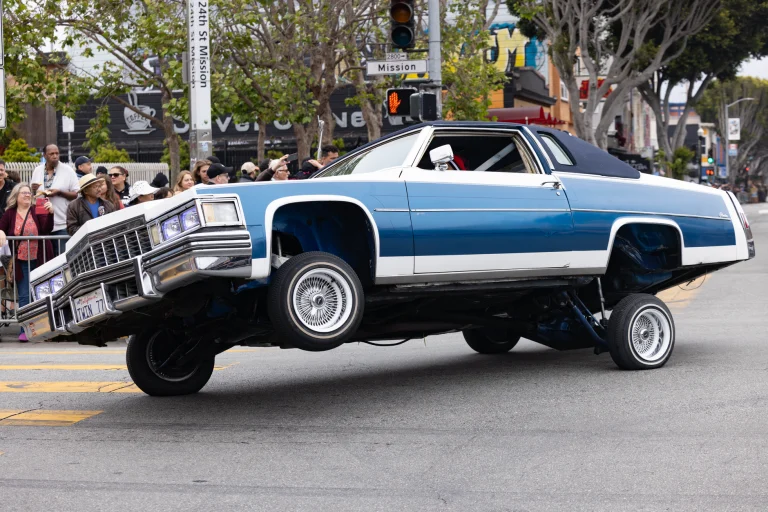
Dr. Dre’s solo debut The Chronic introduced the G-funk sound and helped move West Coast hip-hop from a regional scene into the center of the national mainstream.

Songs in the Key of Life capped a remarkable run of creativity for Stevie Wonder, blending soul, funk, jazz, and emerging synthesizer technology into one of the most celebrated albums in American popular music.

Recorded in the aftermath of singer Bon Scott’s death, AC/DC’s Back in Black became both a tribute and a blueprint for the sound of stadium-sized rock and roll.

Pet Sounds transformed the Beach Boys from a surf-pop singles act into studio innovators, expanding what a pop album could sound and feel like.

Lauryn Hill’s 1998 solo debut merged rap, soul, and reggae into a deeply personal statement that redefined what a hip-hop-rooted album could be. Its Grammy sweep and lasting influence on neo-soul and R&B secured its place as one of the era’s defining records.

Nirvana’s 1991 album Nevermind unexpectedly topped the charts and pulled alternative rock out of clubs and college radio into the mainstream of American popular music.

Thriller paired Michael Jackson with producer Quincy Jones to create a genre-spanning album that became the best-selling record in history.

Purple Rain paired Prince’s genre-blending music with a semi-autobiographical film, turning him into a mainstream superstar in 1984.

Marvin Gaye broke from Motown’s hit-making formula to create a unified song cycle addressing war, poverty, and injustice, reshaping what a soul album could be.
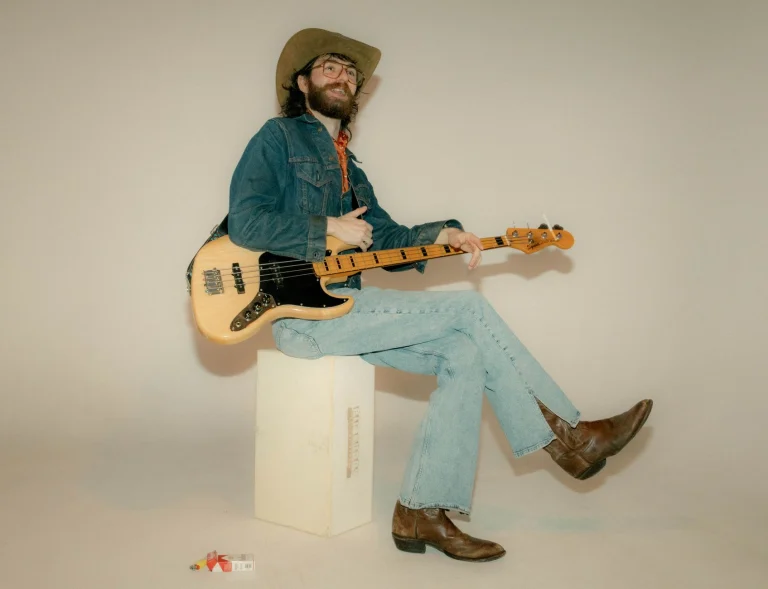
Fleetwood Mac recorded Rumours while three band relationships were collapsing, turning personal crisis into one of the best-selling rock albums of all time.