How Multitrack Recording Technology Changed Songwriting
The arrival of multitrack tape recording in the 1950s and 1960s let musicians build songs piece by piece instead of performing them live in one take, reshaping songwriting itself.

Deep dives into the movements, eras, and turning points that shaped recorded and popular music.
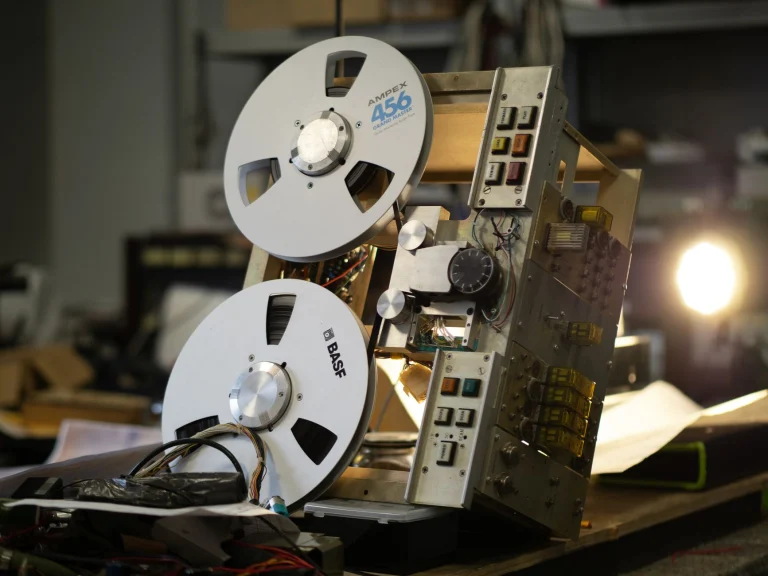
The arrival of multitrack tape recording in the 1950s and 1960s let musicians build songs piece by piece instead of performing them live in one take, reshaping songwriting itself.

In the 1960s, young British musicians fell in love with imported American blues records and transformed what they heard into a louder, guitar-driven sound that reshaped rock music for generations.

In the 1960s, rock musicians transformed the album from a collection of singles into a unified artistic statement, reshaping how music was made and heard.

Streaming transformed the music business from one built on selling physical objects into one built on subscriptions and playlists, reshaping how songs are made, marketed, and heard.
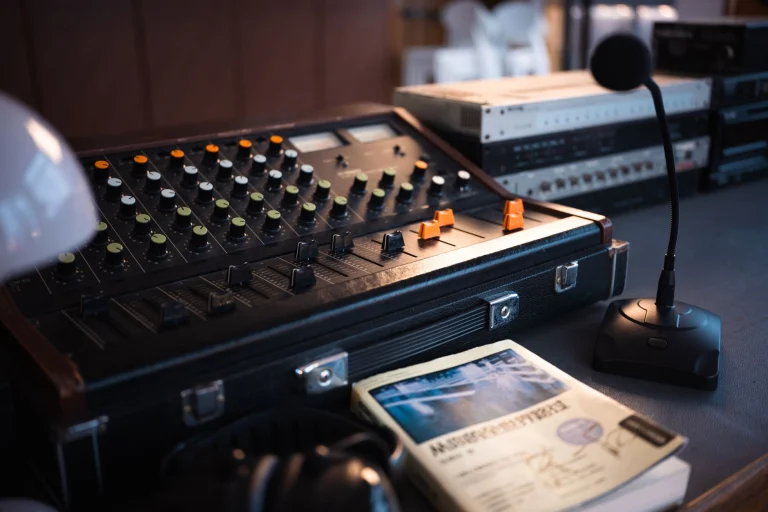
Motown turned a modest Detroit house into a hit factory, pairing disciplined studio craft with an in-house team of musicians and writers to create a sound that reshaped American pop music.

In the early 1960s, a wave of British rock bands crossed the Atlantic and permanently changed American pop charts, touring culture, and youth identity.