How Streaming Reshaped the Music Business
In the space of roughly two decades, the way Americans acquire and experience recorded music changed more thoroughly than at any point since the invention of the phonograph. Compact discs gave way to downloaded files, and downloaded files gave way to on-demand streaming, a shift that did not simply change how songs reached listeners’ ears. It rewired the economics of the recording industry, altered the sound and shape of popular songs, and redefined what it even means to “own” music. This piece traces how streaming transformed a business built for a century on selling physical objects into one built on monthly subscriptions, algorithmic playlists, and per-stream royalties, and considers what was gained and lost along the way for artists, record labels, and everyday listeners.
A Business Built on Objects
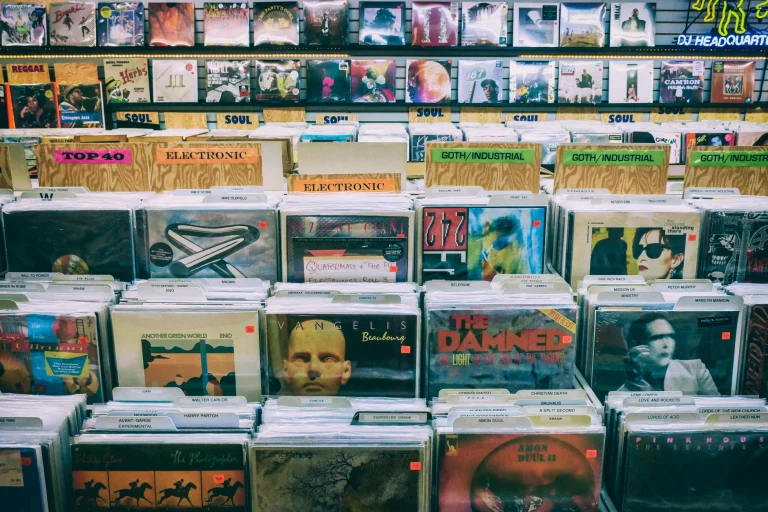
For most of the twentieth century, the music industry sold physical formats: 78s, vinyl LPs, cassette tapes, and eventually compact discs. Revenue depended on manufacturing, shipping, and selling a tangible product through record stores, department stores, and mail-order clubs. The record store itself was a cultural institution, a place where fans browsed, took recommendations from clerks, and discovered new artists through word of mouth and in-store listening stations. Labels controlled distribution tightly, radio airplay largely determined what became a hit, and an artist’s commercial success was measured in units sold. This model proved remarkably durable, surviving the arrival of radio and television largely intact, because none of those earlier technologies let listeners simply take the music home for free.
What Came Before: The Download Era and the Napster Shock
The first serious blow to that model arrived with widespread internet access and the compression format MP3, which shrank audio files to a size that could travel easily over dial-up and early broadband connections. The file-sharing service Napster, launched in 1999, let users trade digital copies of songs for free, and it spread with extraordinary speed among college students and early internet adopters. Record labels and artists sued Napster and related services, and the platform was ultimately shut down, but the habit it created among listeners proved impossible to reverse. Sales of physical albums and singles began a steep decline through the early 2000s. The industry’s first durable response came from outside the traditional label system: Apple’s iTunes Store, launched in 2003, offered a legal, inexpensive way to buy individual songs rather than full albums, which itself began to erode the album as the industry’s primary commercial unit.
Historical Context
By the early 2000s, U.S. recorded-music revenue had fallen sharply from its late-1990s peak, a decline widely attributed to unauthorized file sharing and the slow pace of the industry’s legal digital alternatives. Major labels spent years pursuing lawsuits against file-sharing services and even individual users before shifting strategy toward licensing their catalogs to digital retailers and, later, streaming platforms. That slow, often reluctant transition shaped many of the licensing structures and royalty disputes that still define the streaming business today.
Streaming Arrives: From Ownership to Access
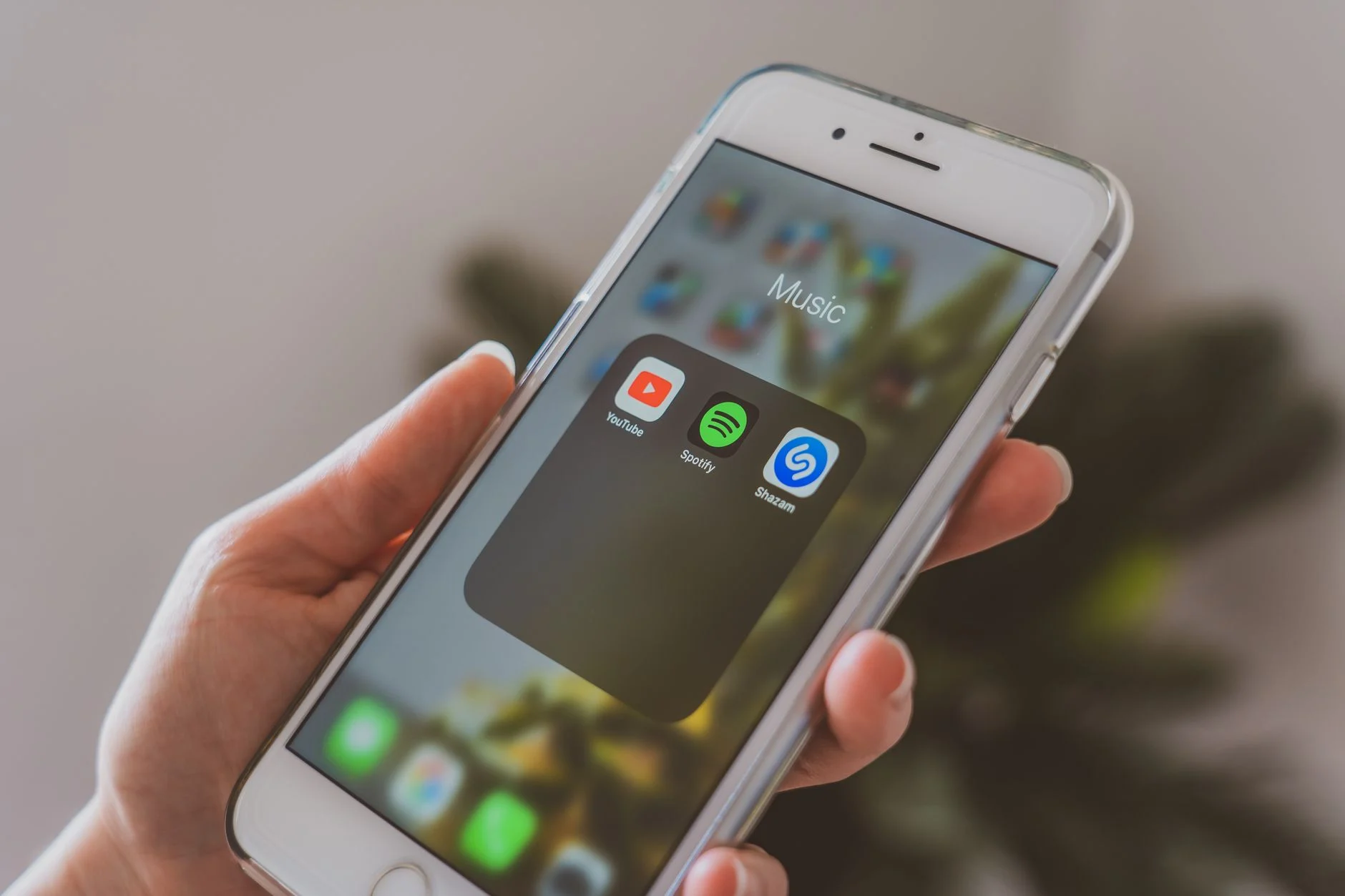
Subscription streaming built on the download era’s lesson that convenience, not just price, determined listener behavior. Services such as Rhapsody had experimented with streaming models in the early 2000s, but it was the Swedish company Spotify, founded in 2006 and expanding into the United States in 2011, that popularized the modern streaming experience: a vast on-demand catalog available for a flat monthly fee or, crucially, for free with advertising. Apple, Amazon, and other major technology companies soon launched competing services. The core premise marked a genuine break from everything before it. Listeners were no longer buying individual songs or albums; they were paying for access to nearly the entire history of recorded music at once, available instantly on a phone.
Who Drove the Shift
Streaming’s rise was driven as much by necessity as by innovation. Major record labels, having watched piracy erode sales for a decade, eventually concluded that a legal service capturing even modest revenue per play was preferable to continued mass piracy, and they licensed their catalogs to streaming platforms despite deep skepticism about the royalty rates involved. Technology entrepreneurs supplied the infrastructure and consumer-facing design that made streaming feel effortless. Smartphone adoption and expanding mobile broadband made constant access practical in a way it had not been even five years earlier. Musicians themselves played a more contested role: some, including prominent pop and rock artists, publicly criticized streaming payouts or withheld catalogs in protest, while independent and emerging artists increasingly embraced platforms that let them reach listeners without a label’s backing at all.
Streaming did not just change how music was sold; it changed what counted as a song’s unit of value, from the album to the individual stream.
Effects on the Industry and on Listeners
The effects of this shift reached deep into how music itself is made and marketed. Per-stream royalty rates are small, so many artists and labels concluded that volume and constant output mattered more than a single hit single or album cycle, encouraging shorter songs, attention-grabbing intros designed to survive the first seconds of a playlist, and frequent releases rather than long gaps between full albums. Playlists curated by streaming services, whether editorially chosen or algorithmically generated, became a new gatekeeper comparable to the radio programmers of earlier decades, a shift closely tied to the broader story of how radio once shaped popular taste. Genres once confined to regional or niche audiences, including various strains of reggae, Latin pop, and K-pop, found vastly larger international audiences because streaming erased many of the old barriers of physical distribution. For listeners, the change was equally profound: an entire recorded history of music became searchable and nearly free, encouraging the kind of borrowing, mixing, and discovery that also reshaped how artists sample and remix existing recordings.
Legacy and the Streaming Era Today
Streaming now accounts for the large majority of recorded-music revenue in the United States, a reversal that would have seemed unthinkable to label executives in the Napster years. The format has not ended debate, however. Songwriters, session musicians, and independent artists continue to argue that per-stream payouts undervalue their work compared with the old sales model, and critics note that algorithmic curation can concentrate listening around a small number of already-popular tracks even as it promises wider discovery. At the same time, streaming rescued an industry that many observers feared piracy would permanently gut, and it restored a direct, if modest, revenue stream to the recordings that once seemed destined to be shared for free forever. The album itself has not disappeared, but its role has changed, a shift worth considering alongside the album’s earlier rise as a serious artistic format. Whatever comes after streaming, the business it built, one centered on access rather than ownership, has already proven to be one of the most consequential changes in the history of the recorded-music industry.
Sources & Further Reading
- Music industry trade publications covering sales and streaming data, such as Billboard and Variety
- Market and revenue reports published by industry bodies such as the Recording Industry Association of America
- Academic and journalistic histories of digital music distribution and the Napster-era legal disputes
- Business journalism covering the founding and growth of major streaming platforms
- Interviews with musicians, producers, and label executives in major music and business press