Contemporary R&B and the Sound of the 1990s
Contemporary R&B fused soul singing with hip-hop rhythm and sampling, becoming the dominant sound of 1990s pop and urban radio. This piece traces its rise and lasting influence.

How musical genres and movements emerged, evolved, and reshaped the broader culture around them.
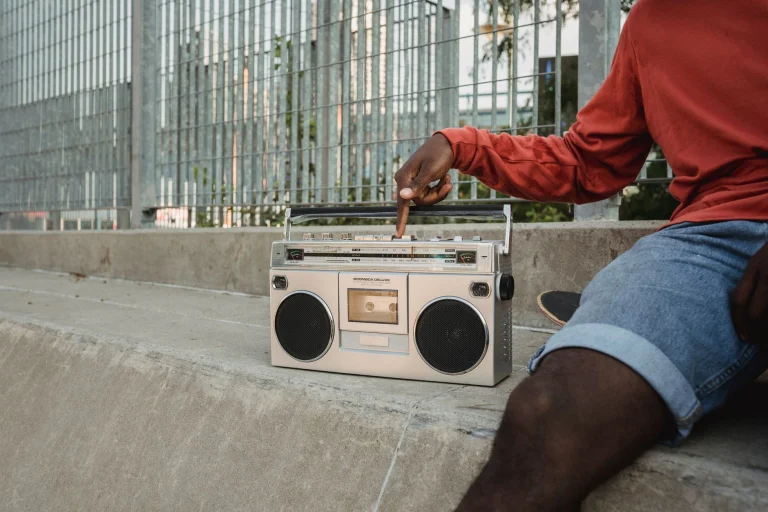
Contemporary R&B fused soul singing with hip-hop rhythm and sampling, becoming the dominant sound of 1990s pop and urban radio. This piece traces its rise and lasting influence.
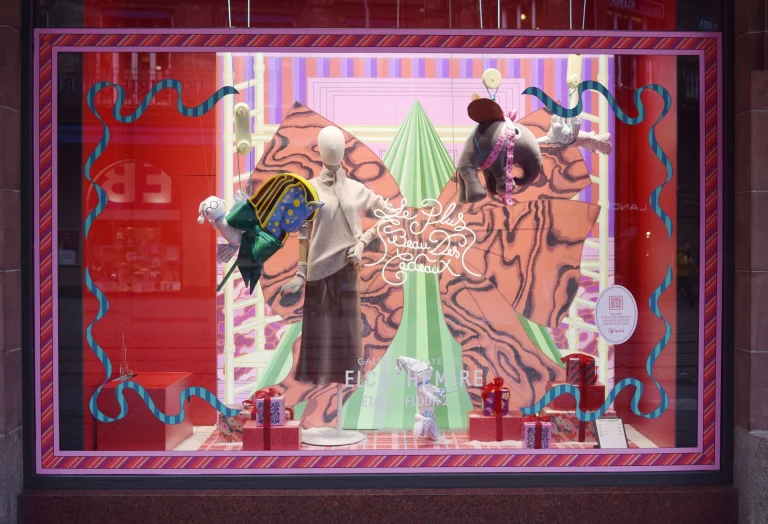
New wave took punk’s energy and synthesizer technology and turned it into some of the biggest pop hits of the 1980s. This piece traces its rise from club scenes to mainstream radio and MTV.

Progressive rock treated the album as a canvas for extended composition and conceptual storytelling. This piece explores its origins, sound, and lasting influence on rock music.

In the years just before the British Invasion, girl groups brought teenage harmony, Brill Building songwriting, and lavish studio production to the top of the American charts. Their sound shaped pop music’s next two decades, from Motown to the British Invasion itself.

Auto-Tune began as an invisible pitch-correction tool and became one of modern pop and hip-hop’s most recognizable, and most debated, vocal effects.

Reggae grew out of Jamaica’s ska and rocksteady traditions to become a globally influential genre carrying Rastafarian spirituality and social conscience far beyond the island.
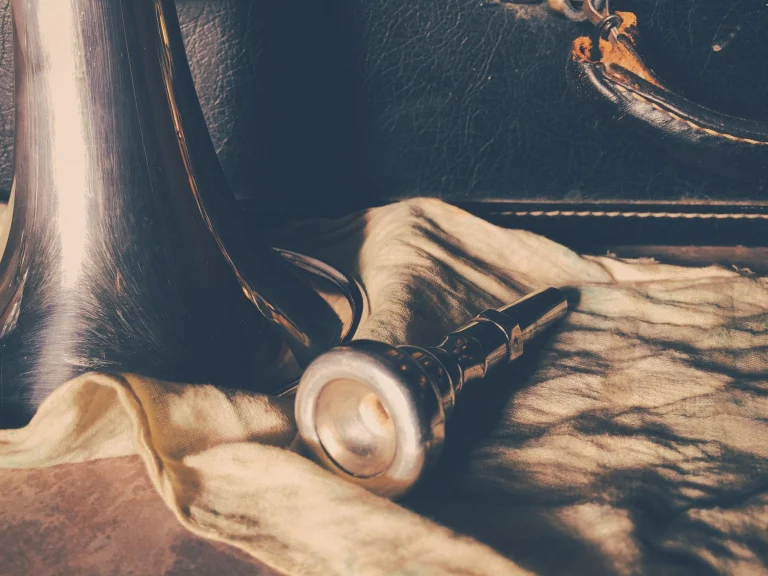
Jazz turned improvisation and the individual solo into defining musical values. This piece traces its origins, sound, key artists, and evolution.
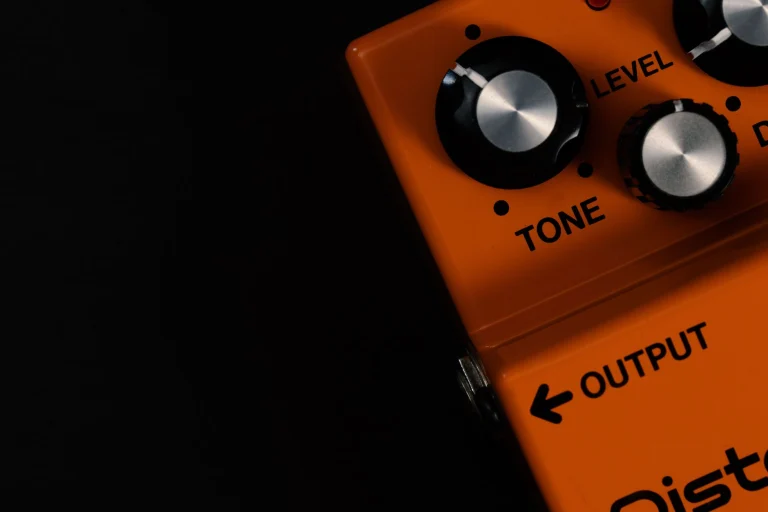
Grunge grew out of Seattle’s underground rock scene and unexpectedly overtook the mainstream in the early 1990s, changing what rock radio and MTV embraced. Its sound and attitude left a lasting mark on how authenticity is valued in popular rock music.

Electronic dance music grew from 1980s house and techno clubs into a technology-driven global movement built on drum machines, DJ culture, and constantly evolving subgenres. Its history shows how affordable new instruments can reshape an entire musical culture.

Punk rock rejected the polish and gatekeeping of the mainstream record business, building its own labels, venues, and networks along the way.