Contemporary R&B and the Sound of the 1990s
By the middle of the 1990s, it was nearly impossible to separate the sound of mainstream radio from the sound of hip-hop. That fusion had a name in rhythm and blues circles: contemporary R&B, a style that wrapped soul music’s vocal tradition around hip-hop’s beats, sampling techniques, and rhythmic sensibility. The result reshaped not just R&B but much of American pop music for a decade and beyond. This piece examines where contemporary R&B came from, the sound that defined it, the artists who carried it to the top of the charts, and the lasting mark it left on popular music.
Historical Context
Contemporary R&B grew directly out of new jack swing, the late-1980s style pioneered by producers such as Teddy Riley that first fused funk and soul arrangements with hip-hop drum programming and swing rhythms. As hip-hop’s popularity and production techniques expanded rapidly in the early 1990s, R&B singers and producers leaned further into those same drum-machine rhythms and sampling methods, while keeping soul and gospel-rooted vocal performance at the music’s center. Record labels, recognizing the commercial potential of pairing hip-hop’s rhythmic language with R&B’s melodic accessibility, actively encouraged the crossover.
This was also a period of significant consolidation within the recording industry, as major labels built out dedicated urban music divisions and signed producers who could move fluidly between hip-hop and R&B projects. That structural shift mattered as much as any single creative choice: it meant hip-hop-influenced R&B had institutional backing, promotional budgets, and radio relationships behind it from the outset, rather than having to prove its commercial viability from the margins.
Historical Context
Contemporary R&B emerged during a decade when hip-hop was rapidly becoming the dominant force in American popular music, and radio and television formats were adapting to reflect that shift. Urban contemporary radio stations and music video networks gave the style consistent exposure, helping it reach well beyond the Black American audiences where it first took hold. Advances in affordable digital samplers and drum machines also made hip-hop-influenced production techniques far more accessible to R&B producers working across a range of budgets.
Prior Influences
Contemporary R&B’s vocal foundation traces directly back to classic soul and Motown traditions, where melisma, call-and-response phrasing, and gospel-trained vocal technique carried deep emotional weight. Funk contributed syncopated basslines and rhythmic grooves that would later translate naturally into sampled and programmed beats. Early hip-hop’s sampling culture, which built new tracks from fragments of older recordings, gave contemporary R&B producers both a technique and an aesthetic: layering warm, familiar sounds under new vocal performances. New jack swing stands as the style’s most immediate predecessor, having already proven that soul singing and hip-hop rhythm could coexist on the same record.
Sonic Characteristics
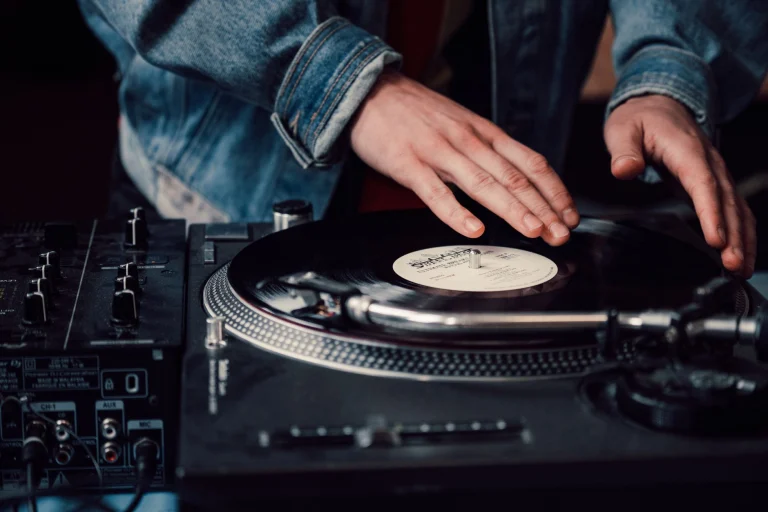
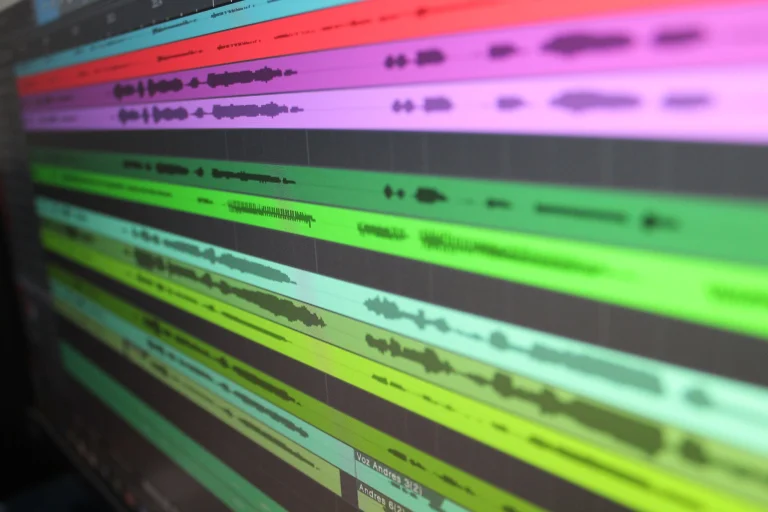
Contemporary R&B is defined by its blend of smooth, often richly layered vocal harmonies with hip-hop’s rhythmic backbone. Drum machines and samplers typically replaced live rhythm sections, producing beats built from looped samples, programmed drum patterns, and deep basslines. Vocal arrangements frequently featured dense background harmonies and melismatic lead runs rooted in gospel and soul tradition. Tempos tended to be mid-range and groove-oriented, favoring a relaxed pocket over the uptempo dance rhythms of earlier soul styles. Production also leaned on the same sampling techniques that were simultaneously transforming hip-hop, a connection explored more broadly in the story of sampling, remix culture, and the changing idea of originality. Vocal production also grew noticeably more layered during this period, with producers stacking multiple harmony tracks and adlibs to create a dense, enveloping wall of voice around the lead vocal, a technique that became one of the clearest sonic signatures separating contemporary R&B from the sparser arrangements of earlier soul recordings.
Key Artists
Mary J. Blige became closely associated with the style after her early-1990s albums fused raw, soul-influenced vocals with hip-hop production, a combination widely credited with helping define the hip-hop soul sound within contemporary R&B. Boyz II Men and TLC brought the style to enormous mainstream chart success, while R. Kelly and producers such as Babyface and Jermaine Dupri shaped much of the decade’s sound from behind the boards. Vocalists including Whitney Houston, discussed further in Whitney Houston’s story of vocal power and crossover stardom, showed how R&B’s biggest voices could move fluidly between pop and contemporary R&B production. By the end of the decade, Lauryn Hill’s work, examined in the story of The Miseducation of Lauryn Hill, pushed the hip-hop soul strand of contemporary R&B toward even greater critical and commercial recognition.
Evolution Over Time
In the early 1990s, contemporary R&B carried forward new jack swing’s uptempo energy while gradually smoothing its edges into more polished production. By the middle of the decade, the hip-hop soul variant associated with Mary J. Blige and similar artists had become a dominant commercial force, pairing street-level hip-hop rhythms with openly emotional soul singing. Toward the late 1990s, a related but distinct movement, neo-soul, emerged partly in response to contemporary R&B’s increasingly polished, sample-heavy production, with artists favoring live instrumentation and a closer connection to classic soul arrangements. Contemporary R&B itself continued evolving alongside hip-hop production trends throughout the decade, absorbing new rhythmic patterns as hip-hop’s sound shifted.
Cultural Impact
Contemporary R&B’s rise coincided with, and helped drive, hip-hop’s ascent from a regional genre into a central pillar of mainstream American pop, a transformation detailed in how hip-hop grew from a local culture into a global movement. Urban contemporary radio formats and music video outlets gave the style sustained national visibility, while its commercial success demonstrated to the broader industry that hip-hop-influenced production could sell comfortably on mainstream pop radio, not just on dedicated rap or R&B stations.
Contemporary R&B also shaped how a broader American audience understood Black musical culture during the 1990s, presenting polished, emotionally direct storytelling that resonated across racial and regional lines even as it remained rooted in specifically Black musical traditions. Its crossover success helped pave commercial ground for hip-hop itself, demonstrating that audiences well beyond hip-hop’s core fan base were receptive to its rhythms and production techniques once filtered through R&B’s melodic vocabulary.
Contemporary R&B proved that soul singing and hip-hop rhythm were never opposing forces, but two expressions of the same musical lineage.
Legacy
Contemporary R&B’s fusion of soul vocal tradition with hip-hop production techniques set the template that most mainstream R&B has followed ever since. Its reliance on sampling and programmed rhythm anticipated the production methods that would come to dominate pop and R&B production well into the 2000s and beyond, including the heavy use of digital production tools later explored in the story of Auto-Tune and modern pop production. The style’s hip-hop soul strand also helped establish a durable commercial and critical space for R&B artists who moved fluidly between singing and rap-influenced rhythm, an approach that remains common throughout contemporary popular music.
Sources & Further Reading
- Music history reference works and encyclopedias covering 1990s R&B and hip-hop
- Retrospective artist and genre features from established music magazines and outlets
- Billboard chart archives and industry trade publications
- Documentary programming and archival interviews with 1990s R&B producers and vocalists
- Academic writing on R&B, soul, and hip-hop in popular music studies