
The Rise, Fall, and Lasting Influence of Disco
Few genres in American popular music have traveled such a dramatic arc in so short a span as disco. Born in underground dance clubs in the early 1970s, it rose within a few years to dominate radio playlists, record sales, and film soundtracks, only to suffer one of the most spectacular public backlashes in American pop culture history. Decades later, disco resurfaced as the hidden architecture of nearly every dance-music genre that followed it. The story of disco is not only a story about tempo, strings, and glitter; it is a story about who got to be visible on the dance floor, and why that visibility provoked such fierce resistance.
Roots in the Dance Clubs of the Early 1970s
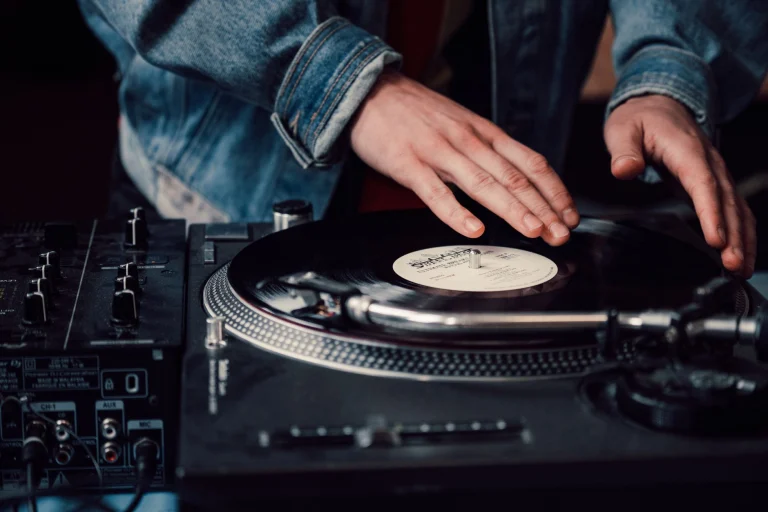
Disco did not begin as a recording-industry product; it began as a nightlife practice. In the early 1970s, DJs in New York City clubs began stitching together long sequences of funk, soul, and Latin-inflected dance records to keep crowds moving for hours at a time. Venues such as the Loft, run by DJ David Mancuso for an invitation-only crowd, became laboratories for this new style of continuous, beat-driven listening. The music drew heavily on the lush productions coming out of Philadelphia soul, associated with producers Kenny Gamble and Leon Huff, as well as on the syncopated rhythms of funk and the swing of Latin percussion. Many of disco’s earliest and most devoted audiences were Black, Latino, and gay New Yorkers who had limited access to the city’s more mainstream nightlife. For these communities, the dance floor offered something rare: a space where self-expression through music and movement was not just tolerated but celebrated. This grassroots, communal scene, rather than any single songwriter or label, is where disco’s core identity took shape.
The Sound of Disco: Orchestration, Groove, and the Steady Beat
Musically, disco is defined less by any one instrument than by a feel. Its most recognizable signature is the steady “four-on-the-floor” kick drum, a beat that falls on every quarter note and gives dancers an unbroken pulse to follow. Over that foundation, arrangers layered syncopated basslines inherited from funk, shimmering string sections, horn flourishes, and often a chorus of backing vocals, producing a sound that was simultaneously danceable and symphonic. Producers and engineers also embraced the twelve-inch vinyl single, a format that allowed for longer, bass-heavy mixes designed specifically for club sound systems rather than radio. Later in the decade, European producers such as Giorgio Moroder pushed the genre toward synthesizers and drum machines, most notably on Donna Summer’s recordings, pointing toward the electronic dance music that would follow disco by more than a decade. Artists including Gloria Gaynor, Chic, KC and the Sunshine Band, and the Village People each brought a distinct take on this template to the pop charts.
Disco offered marginalized communities a visible, glamorous stage on the dance floor at a moment when mainstream American culture offered them few others.
From the Underground to the Mainstream
Disco’s leap from clubland to the center of American popular culture is usually traced to 1977, when the film Saturday Night Fever and its soundtrack, anchored by the Bee Gees, became a cultural phenomenon. The soundtrack’s enormous commercial success introduced disco’s sound and style to audiences far beyond the urban clubs where it had developed, and record labels rushed to capitalize on the trend. Disco’s commercial triumph fits within a broader story about how funk’s rhythmic innovations were absorbed and reshaped by mainstream pop production. Within two or three years, disco elements had worked their way into records by artists well outside the genre’s original scene, from rock bands to established soul vocalists, making disco less a niche style than the default sound of late-1970s dance pop.
Historical Context
Disco’s mainstream explosion coincided with major shifts in American urban nightlife and identity politics following the gay liberation movement that gained momentum after the 1969 Stonewall uprising. The genre’s earliest audiences in New York clubs included substantial numbers of Black, Latino, and gay patrons, for whom disco venues functioned as rare spaces of open self-expression. By the time Saturday Night Fever reached theaters in 1977, this grassroots subcultural scene had been absorbed into a multimillion-dollar mainstream entertainment industry, a transition that changed both who profited from disco and how it was perceived by the broader public.
Backlash and the “Death” of Disco
Disco’s commercial dominance provoked an unusually intense backlash by the end of the 1970s. Rock radio stations organized anti-disco promotions, and the resentment culminated in the notorious Disco Demolition Night at Chicago’s Comiskey Park in July 1979, when a promotional stunt involving the destruction of disco records escalated into a riot that forced the cancellation of a baseball game. Many historians and critics have since argued that the “disco sucks” backlash cannot be separated from the identities of disco’s core audiences; the hostility toward the genre often carried undertones of racism, homophobia, and discomfort with a style of music strongly associated with Black, Latino, gay, and female performers and fans. Within about a year, major labels had largely stopped marketing records as disco, even as dance-oriented production continued under other names, suggesting that the backlash targeted the genre’s image and associations as much as its actual sound.
The Legacy: From House Music to Pop’s Dance Floor
Disco’s supposed death proved short-lived in musical terms, even if the label fell out of fashion. In Chicago and New York, DJs and producers who had come of age in disco clubs built on its drum-machine productions and extended club mixes to create house and garage music during the early 1980s, genres now recognized as foundational to the broader story told in the evolution of electronic dance music. Disco’s rhythmic and sampling legacy also reached early hip-hop directly: the Sugarhill Gang’s 1979 single “Rapper’s Delight,” widely credited as one of the first commercially successful hip-hop records, built its groove around a replayed version of the bassline from Chic’s disco hit “Good Times,” a connection explored further in the account of how hip-hop grew from a local culture into a global movement. Disco’s influence on pop stagecraft and dance-floor sensibility can also be traced through later performers; writing on the evolution of the modern pop star returns repeatedly to disco-era club culture as a touchstone.
More than four decades on, disco occupies an unusual place in American music history: a genre that was simultaneously a commercial sensation, a target of genuine cultural hostility, and, in retrospect, one of the most influential dance musics the country ever produced. Its glittering surface sometimes obscured the deeper social story underneath it, of communities using a beat and a dance floor to claim visibility on their own terms. That combination of pure pleasure and social meaning helps explain why disco’s rhythms, basslines, and production techniques never really left the culture, even during the years when its name was treated as a punchline.
Sources & Further Reading
- Rock & Roll Hall of Fame induction and exhibit materials
- Library of Congress National Recording Registry essays
- Contemporary and retrospective coverage in Rolling Stone and Billboard
- Academic histories of American dance music and nightlife culture
- Liner notes and album credits from major disco-era reissues