The Evolution of Electronic Dance Music
Long before electronic dance music filled arenas and headlined summer festivals, it was built in modest studios and warehouse clubs by producers experimenting with drum machines, synthesizers, and early samplers. What began as a scattering of regional dance scenes in the 1970s and 1980s eventually grew into one of the most commercially significant and technologically influential movements in modern popular music. This piece traces how electronic dance music developed, the technology that made it possible, the subcultures that nurtured it, and the long road from underground clubs to mainstream pop radio.
Early Foundations: Disco, Synthesizers, and Drum Machines
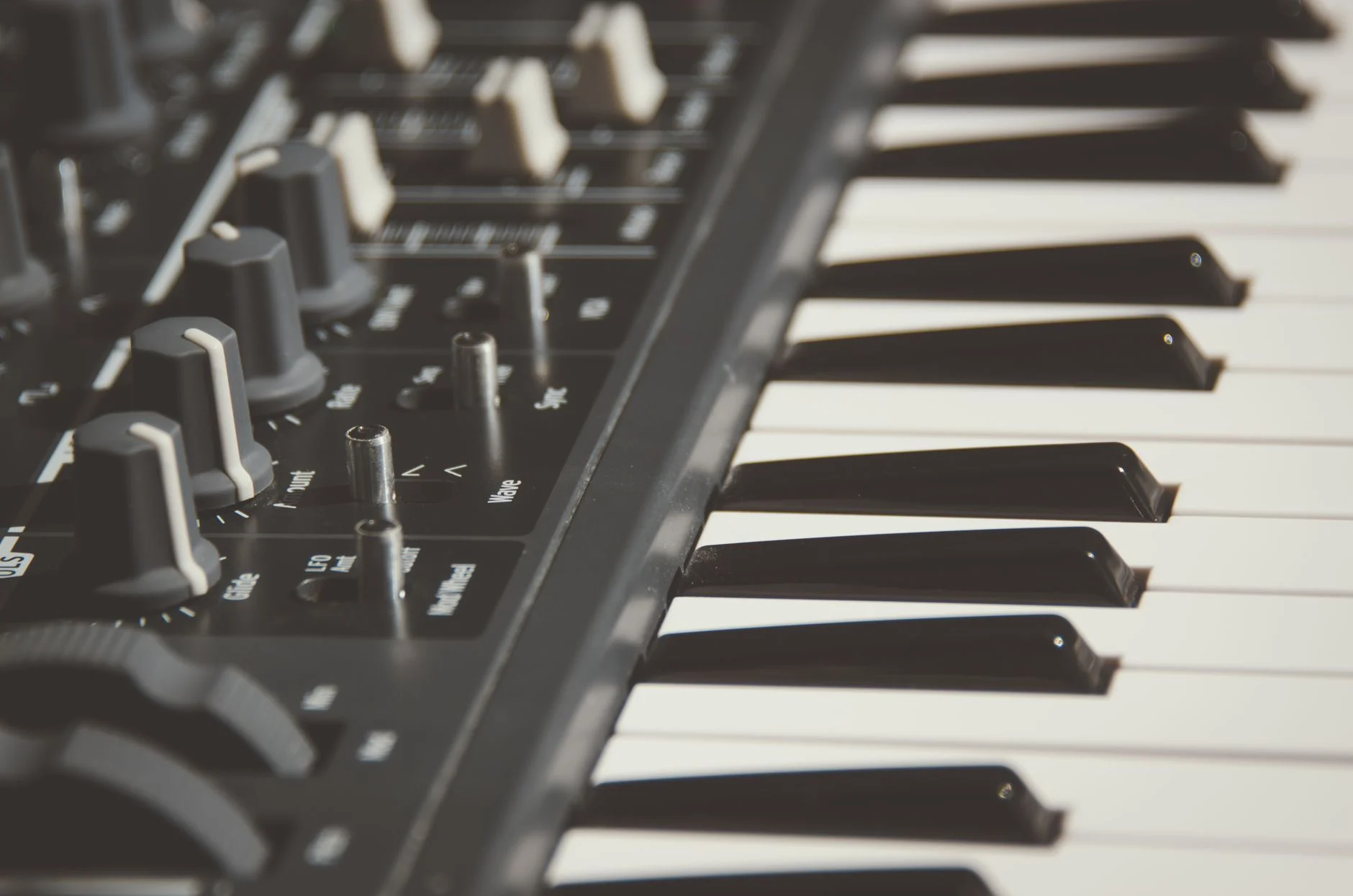
Electronic dance music’s roots reach back to the dance floors of 1970s disco culture, where DJs and producers first built entire tracks around steady, danceable rhythms designed to keep crowds moving for extended stretches. As disco’s commercial dominance faded in the early 1980s, producers in cities such as Chicago and Detroit began experimenting with newly affordable electronic instruments, including the Roland TR-808 drum machine and early analog synthesizers, to create stripped-down, repetitive dance tracks. These machines, often chosen for their low cost rather than any particular artistic statement, produced a distinctive sound that would become central to electronic music for decades. House music, developed largely in Chicago clubs, and techno, developed in Detroit by producers drawing partly on the rhythmic legacy of American funk and soul, both emerged from this period as the two foundational genres from which much of later electronic dance music would branch.
Technology as a Driving Force
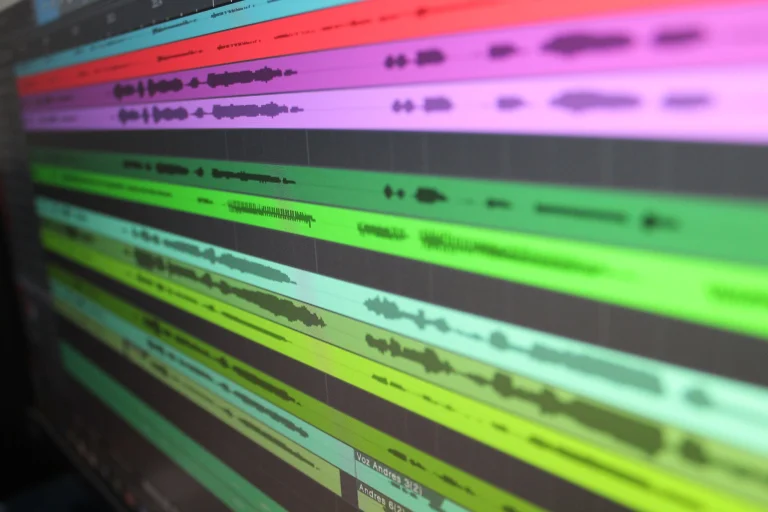
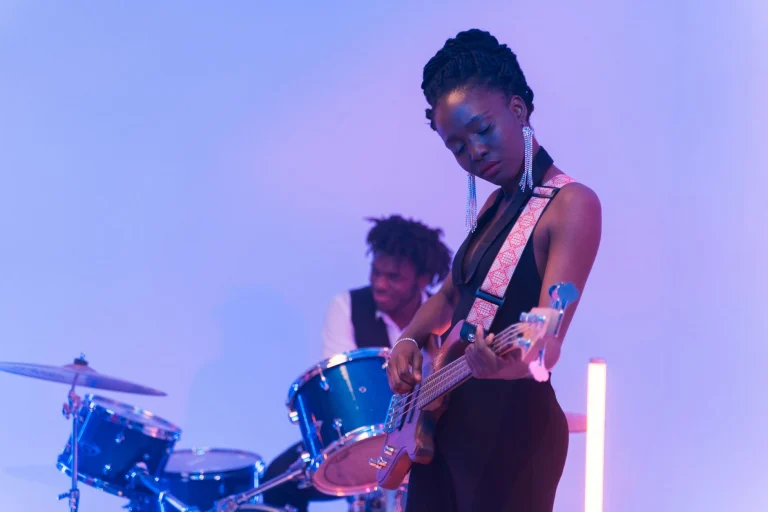
Few genres have been as directly shaped by the evolution of recording and performance technology as electronic dance music. The spread of affordable synthesizers, samplers, and sequencers throughout the 1980s allowed producers without access to expensive studios or formal musical training to create full dance tracks largely on their own. Later innovations, including digital audio workstations and increasingly sophisticated software synthesizers in the 1990s and 2000s, further lowered the barrier to entry and accelerated the pace at which new subgenres could emerge. The DJ mixer and turntable setup also evolved from a simple means of playing records in sequence into an expressive instrument in its own right, with beatmatching and live mixing becoming essential performance skills. This close relationship between technological change and musical innovation has remained one of the defining characteristics of the genre, distinguishing it from rock and pop traditions built primarily around the guitar, bass, and drum kit.
Club Culture and the Rise of Rave
As house and techno spread from their American cities of origin to the United Kingdom and continental Europe in the mid-to-late 1980s, they fused with local club cultures to produce the rave movement, a subculture built around large, often unlicensed, all-night dance events. Raves cultivated their own codes of dress, slang, and communal ritual, frequently organized through word of mouth and underground flyers rather than conventional advertising. This subcultural dimension became just as central to electronic dance music’s identity as its sound, fostering a strong sense of collective belonging among participants and giving rise to distinct regional scenes, from the acid house explosion in Britain to the trance and hardcore scenes that developed across continental Europe. Many scholars and critics have described rave culture as a form of youth-driven community building, one that offered an alternative social space distinct from mainstream nightlife. Within these scenes, the disc jockey increasingly took on the role of a creative author rather than simply a selector of other people’s records, blending and extending tracks in ways that blurred the line between performance and composition. This shift elevated DJing itself into a recognized art form and helped establish the producer-DJ as the genre’s central creative figure, a role with few direct precedents in earlier popular music traditions built around singers, songwriters, and bands.
Electronic dance music’s history is, in many respects, inseparable from the history of the machines used to make it, a relationship that gave the genre an unusually rapid pace of stylistic change.
Fragmentation and Diversification
Throughout the 1990s and into the 2000s, electronic dance music splintered into an increasingly wide array of subgenres, each with distinct tempos, production techniques, and audiences. Drum and bass, jungle, trance, hardcore, and later dubstep and electro house all developed their own dedicated scenes, often tied to specific cities or club nights, while drawing on a shared pool of production tools and dance floor sensibilities. Some of these styles absorbed influences from hip-hop’s sampling and rhythmic traditions, while others drew more heavily on the hypnotic repetition of early techno or the melodic sensibilities of pop songwriting. This proliferation of subgenres made electronic dance music difficult to define as a single coherent style, even as its overall commercial footprint continued to grow steadily across international markets.
The Mainstream Breakthrough
Electronic dance music’s full arrival in the American mainstream took considerably longer than its European rise, in part because American pop and rock radio remained resistant to electronic production for much of the 1980s and 1990s. Pop artists such as Madonna incorporated dance production into chart-topping singles well before the genre itself achieved mainstream festival status in the United States, helping normalize electronic sounds for American pop audiences. By the early 2010s, large-scale American festivals and a wave of producers blending dance music with pop songwriting structures brought the genre to a level of commercial visibility it had never previously achieved domestically, even as longtime fans of the underground scenes that built it sometimes viewed this mainstream version as a significant departure from the genre’s club-based origins.
Legacy and Ongoing Influence
Electronic dance music’s influence now extends well beyond its own dedicated scenes, shaping production techniques used across contemporary pop, hip-hop, and even rock recordings. Its history also offers one of the clearest illustrations of how new, often inexpensive technology can reshape not just a genre’s sound but the social structures, such as club nights and festival culture, that surround it. The genre’s continual fragmentation into new subgenres, driven by ongoing technological change and shifting club cultures, suggests that its evolution is unlikely to settle into a single fixed form anytime soon, a restlessness that many historians consider one of its most defining and enduring traits. The genre’s rapid cycles of innovation and absorption into the mainstream also offer a useful case study for understanding how underground musical movements more broadly interact with commercial industries, a pattern that echoes developments seen in other genres built on independent scenes before reaching wider audiences.
Historical Context
House music developed in Chicago clubs in the early 1980s, largely among Black and gay DJs and dancers who built on disco’s rhythmic foundation using newly available drum machines and samplers. Around the same time, Detroit producers created techno by combining similar electronic tools with influences from funk, soul, and European synth-pop. Both genres traveled to the United Kingdom and continental Europe later in the decade, where they fueled the rave movement before gradually working their way into mainstream American pop culture over the following decades.
Sources & Further Reading
- Smithsonian and Library of Congress essays on American dance music history
- Music journalism from outlets such as Rolling Stone, Mixmag, and Resident Advisor
- Official artist and label liner notes and production credits
- Academic studies of club and rave subculture
- Billboard and industry trade publication archives