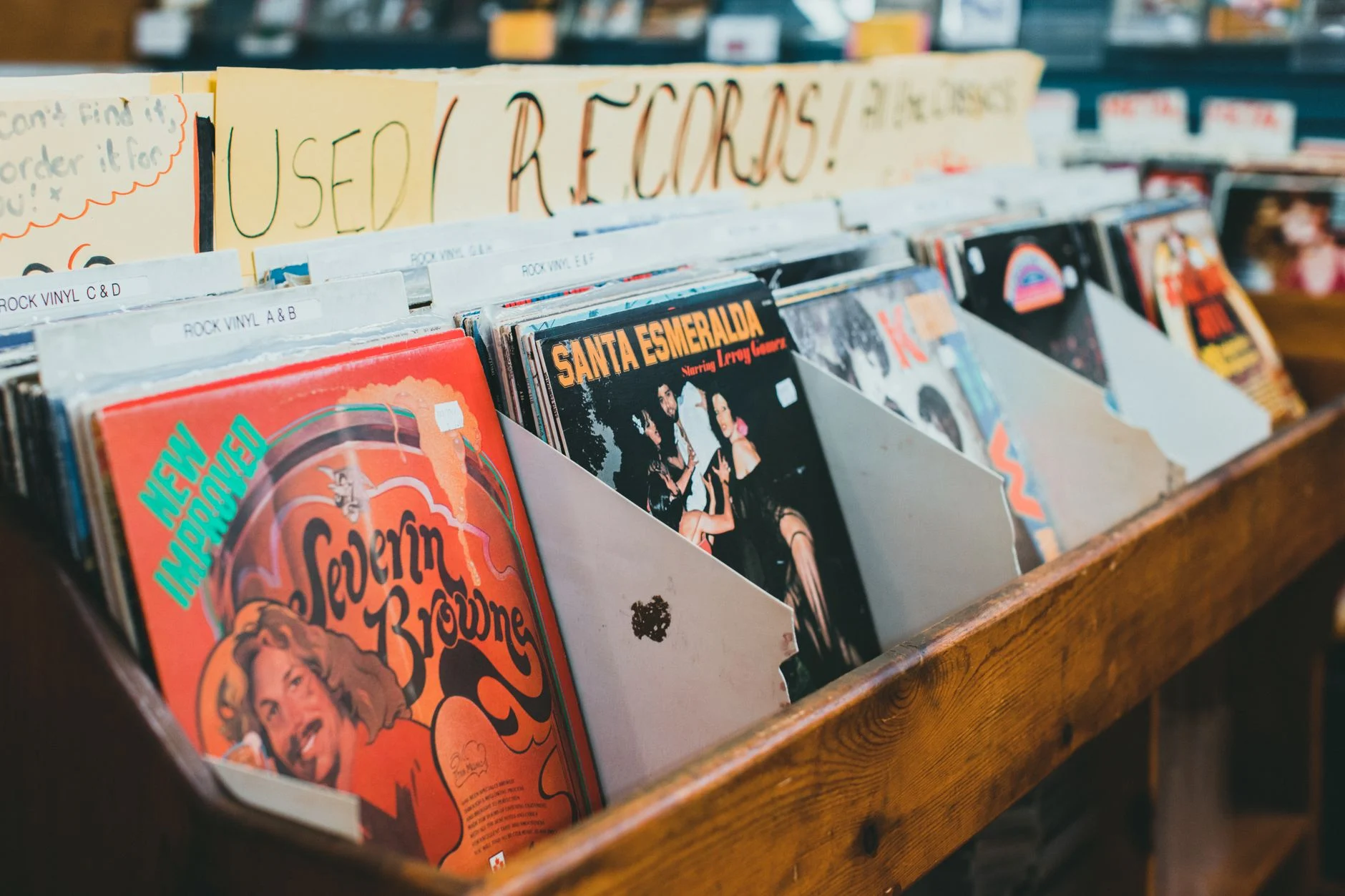
The Record Store Era and How Fans Discovered Music
For much of the twentieth century, discovering a new favorite band required leaving the house. It meant flipping through bins of vinyl in a cramped storefront, trusting a clerk’s recommendation, or noticing what the regulars were buying. Independent record stores, which multiplied across American cities and college towns through the 1960s and especially the 1970s, were far more than retail outlets; they functioned as community hubs, informal archives, and tastemaking institutions at a time when there was no algorithm to suggest what to hear next. This piece looks at how the record store rose to that role, who ran these shops, and why their influence on music fandom still echoes in an era when most listening happens through a screen.
Why Record Stores Mattered So Much
Before the internet, a music fan’s options for finding new material were genuinely limited. Radio exposed listeners to whatever a station’s playlist allowed, a gatekeeping role explored in depth in the story of radio DJs and the shaping of popular taste, while magazines and word of mouth filled in some gaps. But actually owning music, hearing a full album rather than a single edited track, and exploring an artist’s catalog or a genre’s back history required a physical destination. Record stores filled that need, and by the 1970s, as the long-playing album had become the industry’s dominant artistic and commercial format, a transformation discussed at length in the history of the rise of the album as an art form, the record store became the place where that format lived and was sold, browsed, and argued over.
From Chain Shelves to Independent Storefronts
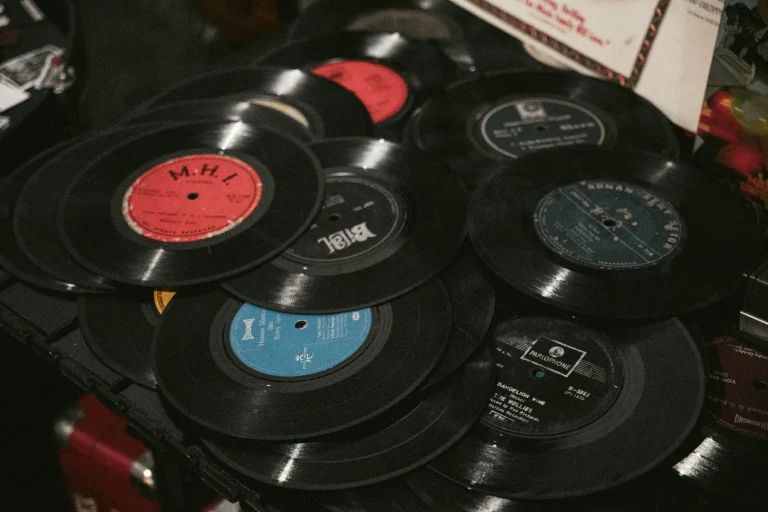
Record retailing took several forms. Department stores and large chains carried mainstream releases, stocking whatever labels pushed hardest through national distribution deals. But independent shops, often owned by musicians, collectors, or local entrepreneurs with strong personal taste, carved out a different niche: imports, out-of-print pressings, regional genres like blues or early punk singles, and used vinyl that a major retailer would never bother to stock. These independent stores clustered in college towns and urban neighborhoods with active music scenes, and their staff frequently doubled as unofficial critics, pointing regular customers toward new arrivals, trading recommendations, and sometimes booking in-store performances that gave emerging local acts a direct line to an audience.
The People Behind the Counter
The clerk at the neighborhood record shop occupied a peculiar cultural position: part salesperson, part curator, part gatekeeper of local credibility. Many future musicians, producers, and label founders got their start working retail counters, absorbing catalogs of music far beyond what radio offered and building the kind of encyclopedic knowledge that shaped their later careers. These employees, often unpaid in anything but access and reputation, became trusted authorities precisely because their recommendations carried no commercial motive beyond a shared love of the music itself.
The record store clerk, not any chart or playlist, was often the real arbiter of what counted as essential listening in a given scene.
How Stores Shaped Scenes and Subcultures
Beyond individual taste, record stores helped incubate entire local scenes. A shop specializing in imported singles might become the de facto meeting point for a city’s punk or new wave fans; another, stocked with rare soul and funk pressings, might later supply the raw material that a new generation of DJs and producers would mine and reassemble, a practice closely tied to the later history of sampling and remix culture. Flyers taped to a store’s front window announced upcoming shows; bulletin boards connected musicians looking for bandmates. In this way, the record store functioned as physical infrastructure for musical communities that had no other shared headquarters.
Historical Context
The 1970s saw significant growth in independent record retailing across the United States, coinciding with the album’s rise as the dominant format and the proliferation of distinct rock, soul, and emerging punk scenes in American cities. Vinyl remained the primary consumer format throughout the decade, with cassette tapes gaining ground gradually and compact discs not arriving commercially until the 1980s. Many independent stores operated on thin margins and depended heavily on used-record trading and loyal local customer bases to survive against larger chain competitors. Economic pressures, shifting formats, and later the rise of digital distribution would eventually reduce the number of independent record stores sharply, though a smaller, dedicated network persists today.
Decline, Survival, and What Was Lost
The format shifts of the following decades, first to cassettes and compact discs and later to digital downloads and streaming, steadily eroded the record store’s central role in music discovery. Many independent shops closed as big-box retailers and then online retailers undercut their prices, and the direct-to-listener convenience that eventually defined how streaming reshaped the music business removed much of the practical need to visit a physical store at all. What was lost in that transition, many longtime fans and critics argue, was not just a retail format but a particular kind of serendipity: the chance encounter with an unfamiliar record, the conversation with a knowledgeable stranger, and the sense of belonging to a scene defined by shared physical space rather than an individually tailored algorithm.
Legacy Today
A modest resurgence in vinyl sales and independent record retailing over the past two decades suggests that the record store’s cultural appeal never fully disappeared. Events like national record store promotional days now draw collectors and casual fans alike back into physical shops, and many surviving stores continue to host in-store performances and act as community anchors, even as the bulk of everyday listening has moved elsewhere. The record store era is remembered less as a simple retail history and more as a case study in how a physical, local institution can shape taste, build community, and preserve musical knowledge in ways that purely digital discovery still struggles to replicate.
Sources & Further Reading
- Trade publications such as Billboard covering retail trends in the 1970s music industry
- Oral histories and interviews with independent record store owners and longtime clerks
- Smithsonian Institution and public radio features on the history of American record retailing
- Academic studies of music scenes and subcultural institutions in urban sociology
- Industry reports on vinyl sales trends from recording industry trade associations