The Evolution of Funk and Its Rhythmic Legacy
Funk emerged in the mid-1960s as a radical rethinking of rhythm in American popular music, stripping away melodic ornamentation to foreground the beat itself. Where earlier rhythm and blues built songs around chord progressions and vocal hooks, funk asked musicians and listeners alike to live inside a single groove, often for minutes at a stretch. That shift in emphasis, from melody and harmony toward interlocking rhythm, reshaped dance music for the rest of the twentieth century and still underpins much of the pop, R&B, and hip-hop heard today. This piece traces funk’s roots in soul and rhythm and blues, the artists who defined its sound, and the long rhythmic legacy it left behind.
Roots in Rhythm and Blues and Soul
Funk did not appear from nothing. It grew directly out of the horn-driven rhythm and blues bands of the 1950s and the gospel-charged vocal style associated with soul music. Touring R&B revues of the early 1960s, built around tight horn sections and relentless showmanship, had already perfected the art of the extended groove, vamping on a single chord to keep dancers moving late into the night. What funk added was a new rhythmic philosophy: rather than treating rhythm as a backdrop for melody, it treated rhythm as the song’s main event, with every instrument playing a syncopated, interlocking part.
James Brown and the Birth of “The One”
Most music historians point to James Brown’s mid-1960s recordings as the moment funk crystallized into a distinct genre. Brown and his band began emphasizing the downbeat, often called “the one,” as the anchor of the arrangement, with bass, drums, guitar, and horns locking into short, repeating phrases around it. Songs became less about a melodic journey and more about sustaining a groove with maximum rhythmic tension. Brown’s bands, which over the years included drummers such as Clyde Stubblefield, saxophonist Maceo Parker, and later bassist Bootsy Collins, became a training ground for musicians who would carry this rhythmic approach into their own projects throughout the 1970s.
The Sound of Funk: Syncopation, Bass, and Space
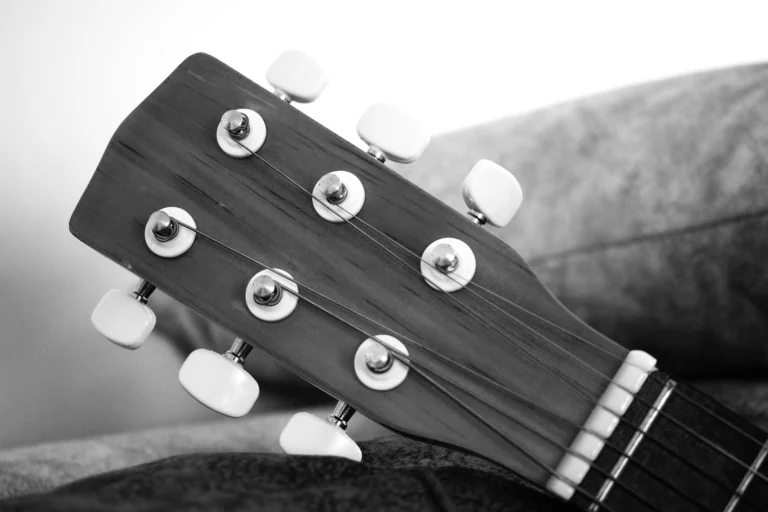
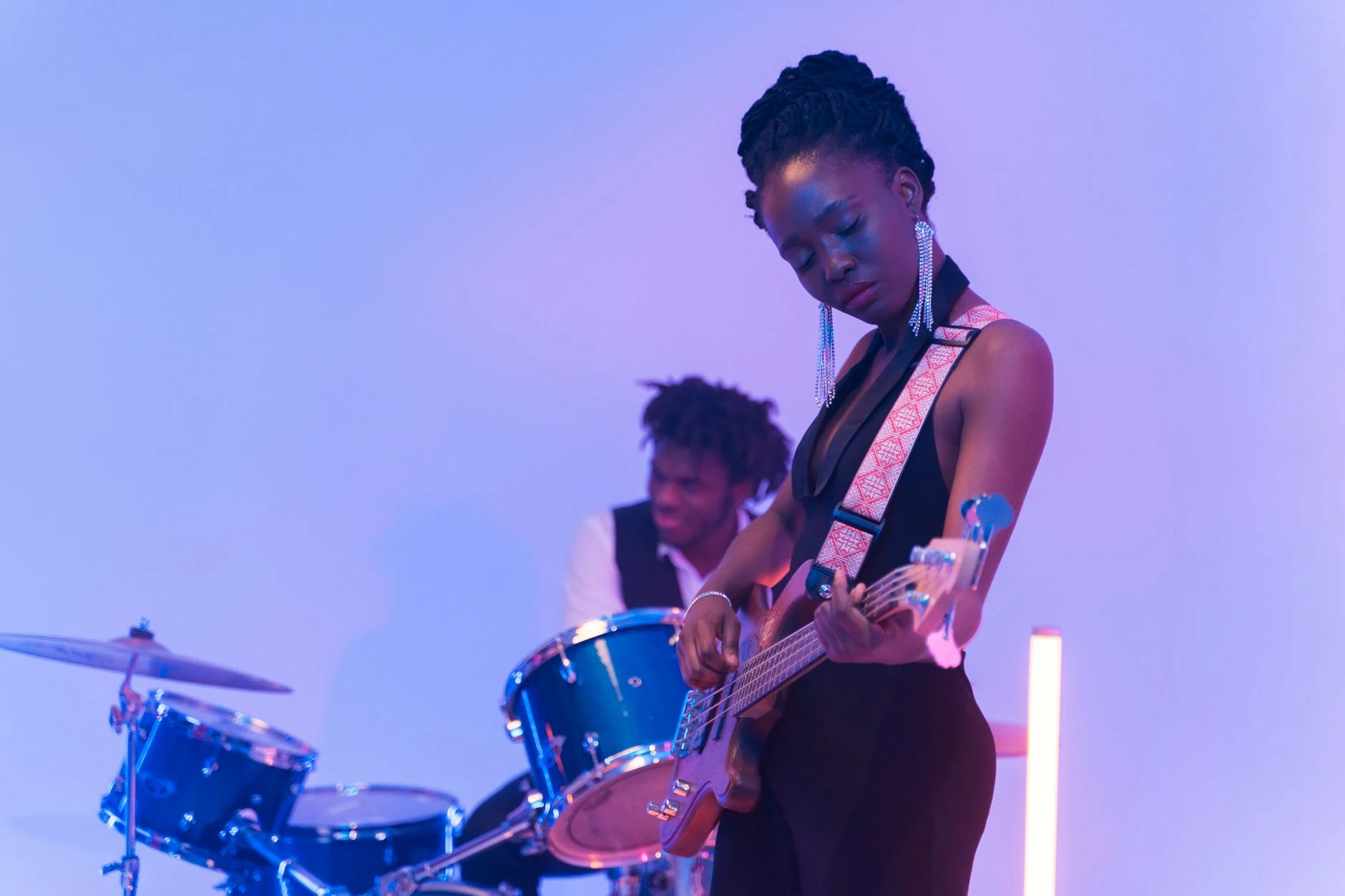
Funk’s sonic identity rests on a handful of recognizable traits. Guitarists favored short, percussive strokes, sometimes called “chicken scratch,” rather than sustained chords. Bassists moved from a purely supportive role to a lead rhythmic voice, a change epitomized by Larry Graham’s percussive slap-and-pop technique in Sly and the Family Stone. Horn sections played tight, punctuated stabs rather than long melodic lines, and keyboardists leaned on the clavinet and wah-wah-treated electric piano for their biting, percussive timbre. Perhaps most distinctively, funk arrangements left deliberate space, trusting silence and repetition to build intensity rather than constant melodic development.
Funk reduced popular music to its rhythmic essentials, then dared musicians to make that minimalism feel infinite.
Key Architects of the Genre
Several acts expanded on Brown’s blueprint in distinct directions. Sly and the Family Stone fused funk with psychedelic rock and brought a racially and gender-integrated lineup to mainstream audiences. George Clinton’s Parliament-Funkadelic collective pushed funk toward theatrical, science-fiction-tinged spectacle, with Bootsy Collins’s deep, elastic basslines becoming a genre-defining signature. Earth, Wind & Fire married funk’s rhythmic drive to jazz harmony and polished horn arranging, while New Orleans’s The Meters distilled funk into lean, instrumental grooves that would later become a favorite source for sampling. A decade later, Prince absorbed this entire tradition and reimagined it as a one-man-band studio art, proving funk’s vocabulary could survive outside its original band-based context.
From Dance Floors to Global Influence
By the late 1970s, funk’s rhythmic innovations fed directly into disco, which borrowed funk’s syncopated basslines and horn arrangements while streamlining them for a steadier, four-on-the-floor dance beat. As disco and later synthesizer-driven pop dominated the charts, funk’s commercial fortunes cooled, but its rhythmic DNA never disappeared. In the late 1970s and 1980s, early hip-hop DJs and producers built entire tracks around isolated funk “breaks,” drum patterns lifted from records by James Brown, The Meters, and other funk acts. That practice of sampling meant funk effectively became the rhythmic foundation of hip-hop, with Parliament-Funkadelic’s catalog later supplying much of the low-end sound for West Coast hip-hop in the 1990s.
Legacy: The Groove That Never Left
Funk’s influence today is less a matter of genre labeling than of rhythmic habit. The interlocking, syncopated bass-and-drum relationship it pioneered remains a basic building block of contemporary R&B, pop, and dance production, and funk breaks continue to surface in sampled form across hip-hop and electronic music decades after they were first recorded. Working funk and funk-influenced bands still tour and record, and music schools continue to teach funk rhythm as a foundational skill for bassists and drummers. Few genres have proven so durable precisely because so much of what followed was built, quite literally, on top of it.
Historical Context
Funk’s rise coincided with the Black Power movement and a broader assertion of African American cultural pride in the late 1960s and early 1970s. James Brown explicitly tied his rhythmic innovations to messages of racial pride and self-reliance, while George Clinton’s Parliament-Funkadelic used Afrofuturist imagery to imagine Black identity beyond the constraints of the present. The genre’s commercial peak also coincided with the growth of urban radio formats that gave Black artists and producers greater control over how their music reached audiences nationwide.
Regional Scenes and the Genre’s Vocal Side
James Brown’s own catalog charts funk’s gradual emergence record by record. “Papa’s Got a Brand New Bag” in 1965 first pushed the downbeat emphasis to the foreground, while “Cold Sweat” in 1967, built on a two-chord vamp and a horn arrangement by Pee Wee Ellis, is often cited as the recording where funk’s rhythmic logic fully took shape. By the time of “Sex Machine” in 1970, Brown had reorganized his band into the J.B.’s, featuring trombonist and arranger Fred Wesley, whose tight horn charts became a blueprint other funk bandleaders studied closely. This steady, year-by-year refinement shows funk emerging less as a single invention than as a sustained experiment carried out across an entire run of singles.
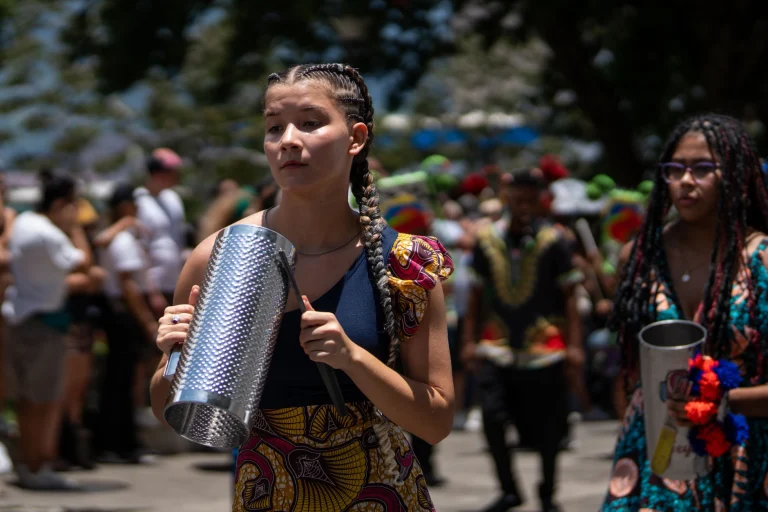
Funk’s rhythmic framework also carried a distinctive vocal tradition, often organized around call-and-response and layered group harmony rather than a single lead singer. Chaka Khan’s work fronting Rufus brought a powerhouse, gospel-rooted vocal style to funk-pop crossover hits, while Betty Davis pushed the genre toward a rawer, more confrontational vocal persona that influenced later funk-rock hybrids. Midwest bands such as the Ohio Players and Kool & the Gang built their own identities around tight vocal-and-horn interplay, and Washington, D.C.’s go-go scene, pioneered by Chuck Brown in the late 1970s, fused funk’s groove-based structure with extended live percussion breaks and audience call-and-response, producing a regional offshoot that stayed rooted in live performance even as recorded funk’s commercial visibility declined.
Sources & Further Reading
- Rock & Roll Hall of Fame induction materials and artist biographies
- Grammy Hall of Fame and Recording Academy historical notes
- Smithsonian National Museum of African American History and Culture essays on funk and soul music
- Published interviews and retrospectives in Rolling Stone and JazzTimes
- Official liner notes and album credits from James Brown and Parliament-Funkadelic reissues
- Academic histories of African American popular music and funk culture