
Soul Music: Voices, Communities, and Cultural Influence
Soul music grew out of Black American gospel and rhythm and blues traditions in the late 1950s and early 1960s, and over the following decade it became one of the most emotionally direct and socially significant genres in American history. Carried by voices trained in church choirs and shaped by songwriters and producers working in cities such as Detroit and Memphis, soul married gospel’s vocal intensity to secular themes of love, struggle, and pride. It arrived at precisely the moment the civil rights movement was reshaping American life, and the genre’s history cannot be separated from that larger struggle for racial justice and representation.
Gospel Roots and the Birth of a Secular Sound
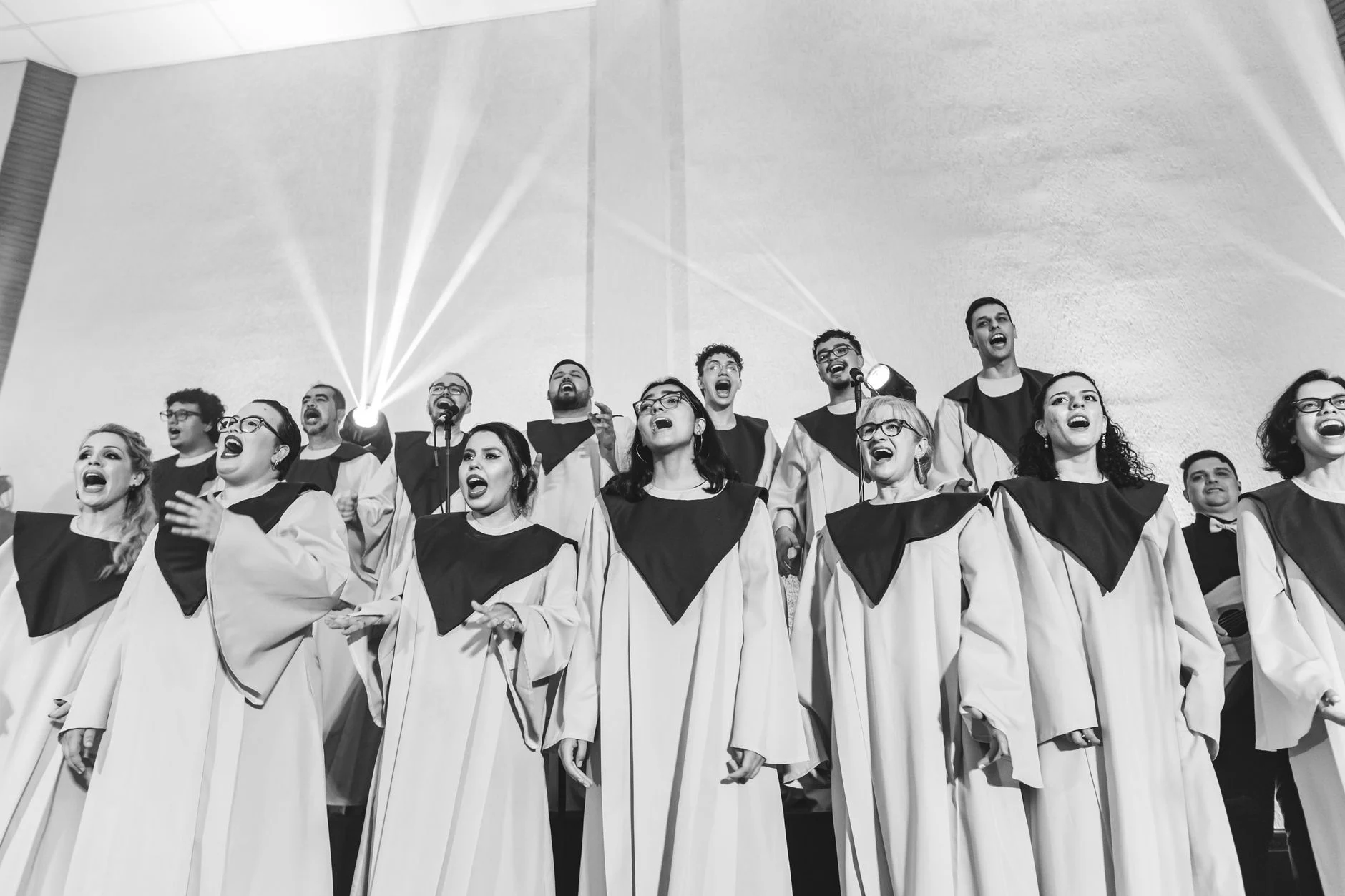
Soul’s foundational vocal style came directly out of the Black church. Singers such as Sam Cooke, who had performed with the gospel group the Soul Stirrers before moving into secular recording, carried gospel’s melismatic phrasing, call-and-response structure, and emotional directness into pop and R&B records aimed at a broader audience. Ray Charles is frequently credited with an early and influential fusion of gospel fervor with blues and R&B song structures in the 1950s, a combination many historians consider a direct precursor to soul as a defined genre. By the early 1960s, this gospel-infused approach had become a distinct style, recognizable by its emotionally charged lead vocals, frequent use of vocal ad-libs and shouts, and tight interplay between singer and backing musicians. Soul singers brought an unmistakable sense of testimony to secular love songs, treating heartbreak and devotion with some of the same intensity gospel music reserved for faith.
Detroit, Memphis, and the Rise of Soul’s Studio Systems
Soul’s commercial rise through the 1960s was closely tied to two rival studio systems. In Detroit, Berry Gordy’s Motown built an unusually disciplined, almost assembly-line approach to recording, pairing in-house songwriters, the Funk Brothers studio band, and a roster of young performers to produce a polished, pop-friendly take on soul, a process examined in depth in the account of how the Motown sound was created. In Memphis, Stax Records cultivated a grittier, horn-driven sound built around its own house band, Booker T. and the M.G.’s, and artists such as Otis Redding and Sam and Dave, whose records leaned closer to soul’s gospel and blues roots than Motown’s pop sheen. Together, these two studio cultures, along with independent Southern soul scenes in cities such as Muscle Shoals, Alabama, defined the genre’s commercial peak and demonstrated that soul could be shaped into strikingly different sounds while retaining its emotional core.
Soul’s reach extended well beyond Detroit and Memphis. Chicago soul, shaped by artists and songwriters such as Curtis Mayfield, developed its own smoother, often socially conscious variation on the genre, while Philadelphia later built on soul’s orchestral tendencies to help originate the sound that evolved into disco. Soul’s American success also traveled abroad in unexpected ways: in the north of England during the late 1960s and into the 1970s, a dedicated subculture known as Northern Soul built an entire nightlife scene, centered on all-night dances at clubs such as the Wigan Casino, around rare American soul singles that had often performed only modestly on the United States charts. That devoted overseas following is a reminder that soul’s emotional directness translated across cultural and national lines, not only within the Black American communities that created it.
Soul singers brought an unmistakable sense of testimony to secular love songs, carrying gospel’s emotional intensity into the heart of mainstream American pop.
Soul as the Soundtrack of the Civil Rights Era
Soul music developed in close parallel with the civil rights movement, and several of its most significant recordings became directly tied to the era’s political struggles. Sam Cooke’s “A Change Is Gonna Come,” released in the mid-1960s, is widely regarded by historians as one of the clearest musical statements of the civil rights movement’s hope and urgency. Aretha Franklin’s recording of “Respect,” discussed at length in the piece on how a song became a cultural statement, was embraced far beyond its original romantic context as an anthem of Black pride and, for many listeners, of women’s empowerment as well. James Brown’s recordings in the late 1960s, including explicit statements of racial pride, pushed soul even further into direct political territory. Many historians consider soul music’s rise inseparable from the broader assertion of Black cultural pride and political voice that defined the period, even when individual songs were not explicitly written as protest material.
Historical Context
Soul music’s commercial rise through the 1960s took place alongside the most consequential years of the American civil rights movement, including the passage of the Civil Rights Act of 1964 and the Voting Rights Act of 1965. Many soul artists recorded for Black-owned or Black-staffed labels such as Motown and Stax, institutions that provided rare economic opportunity and creative control for Black musicians, songwriters, and producers during an era of widespread segregation. Soul’s mainstream crossover success also meant that Black artists and Black-rooted musical expression reached white American audiences on an unprecedented scale, a fact that carried both commercial opportunity and ongoing tension over representation and control.
Voices, Communities, and a Lasting Influence
Soul music’s influence rested as much on its communities as on its individual stars. Church choirs, local vocal groups, and neighborhood talent shows across the urban North and the South fed a steady stream of singers into professional soul careers, and figures such as Aretha Franklin, examined further in the account of her voice, interpretation, and musical legacy, carried that community grounding into some of the most celebrated vocal performances in American recording history. Soul’s influence extended into the following decade through funk’s rhythmic experimentation and, later, through hip-hop and R&B producers who sampled soul recordings extensively, carrying the genre’s vocal and instrumental vocabulary into entirely new contexts. Radio disc jockeys who championed soul on Black-oriented stations across the country, along with touring package shows that moved soul revues from city to city, helped build audiences that record labels alone could not reach, reinforcing soul’s identity as a music sustained by community institutions as much as by individual hits. Soul also helped establish a lasting template, still followed today, for singers using secular pop music as a vehicle for emotional honesty, community identity, and social commentary.
More than half a century after its commercial peak, soul music remains a reference point for vocal authenticity in American popular music, invoked whenever critics want to describe a performance as emotionally direct or spiritually rooted. Its history offers a clear example of how a musical style built inside Black churches, neighborhoods, and independent studios became central to the nation’s broader cultural and political life. That combination, of community origin and national impact, is central to understanding not only soul itself but much of the popular music that followed it.
Sources & Further Reading
- Rock & Roll Hall of Fame induction materials
- Motown Museum and Stax Museum of American Soul Music archival materials
- Library of Congress National Recording Registry essays
- Published retrospectives and interviews in Rolling Stone and similar outlets
- Academic histories of soul music and the civil rights era