Pet Sounds and the Expansion of Studio Pop
When the Beach Boys released Pet Sounds in May 1966, the band best known for sun-and-surf singles presented listeners with something unexpected: an intricately arranged, emotionally introspective album built almost entirely in the recording studio rather than on stage. Conceived and largely produced by Brian Wilson, Pet Sounds became one of the defining examples of how a pop record could function as a cohesive artistic statement rather than a collection of potential singles. This profile covers the album’s production context, its unusual recording process, its musical characteristics, the reception it received at the time and afterward, and the influence it exerted on the decades of studio-based pop and rock that followed.
A Band at a Turning Point
By 1965, the Beach Boys had scored a long run of hits built around surfing, cars, and teenage romance, with Brian Wilson serving as the group’s primary songwriter and producer even as he stopped touring to focus on studio work. Wilson had grown increasingly absorbed in record production techniques, particularly the dense, orchestral “wall of sound” approach pioneered by producer Phil Spector, and he wanted to apply similarly ambitious arrangements to his own songwriting. He also felt pressure to respond artistically to the Beatles, whose 1965 album Rubber Soul impressed him with its unified, song-to-song cohesion. Wilson began writing more personal, harmonically complex material, often collaborating with lyricist Tony Asher, and set out to make an album rather than another batch of singles, a shift that placed the Beach Boys alongside other artists beginning to treat the long-playing record as a unified artistic work.
Building the Sound in the Studio
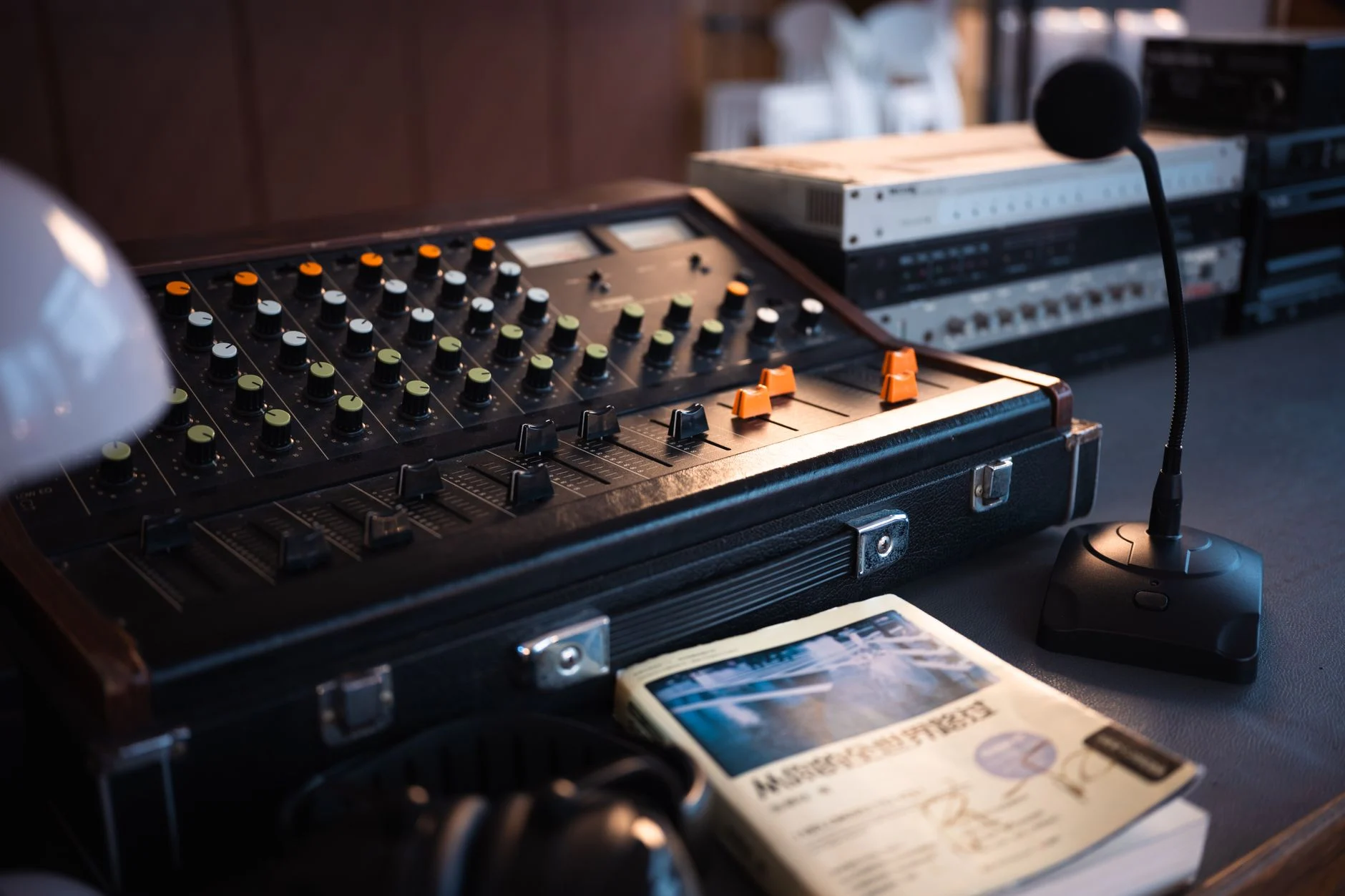
Much of Pet Sounds was recorded with a rotating cast of top Los Angeles session musicians, later nicknamed the Wrecking Crew, who brought instrumental precision to Wilson’s elaborate arrangements. Wilson built tracks using layered combinations of conventional rock instruments alongside unusual additions such as bicycle bells, buzzing electric organs, a theremin-like instrument, barking dogs, and Coca-Cola cans used as percussion, assembling these elements through meticulous, time-consuming studio sessions rather than live performance. He relied heavily on emerging multitrack recording capabilities, layering instrumental and vocal parts separately and combining them with a level of textural detail that was unusual for a mainstream pop record of the period. The Beach Boys’ own vocal harmonies, a hallmark of the group since its earliest hits, remained central throughout, but Wilson arranged them with greater harmonic complexity and emotional nuance than on previous albums, often tracking vocal parts apart from the backing instrumentation he had already built.
Musical Character and Themes
Where earlier Beach Boys records leaned on upbeat themes of youth and leisure, Pet Sounds turned toward vulnerability, longing, and uncertainty, reflected in songs such as “Wouldn’t It Be Nice,” “I Know There’s an Answer,” and “Caroline, No.” The arrangements paired unconventional instrumental textures with lush, often melancholic harmonic progressions, creating a sound that many critics have since described as simultaneously innocent and deeply wistful. The instrumental track “Let’s Go Away for Awhile” and the wordless closing piece “Caroline, No” showed Wilson treating orchestration and mood as compositional tools in their own right, not merely as support for a vocal melody. This combination of emotional depth and studio craftsmanship set the album apart from the dance-oriented pop and increasingly loud garage rock dominating much of mid-1960s radio.
Pet Sounds demonstrated that a pop record could be built with the patience and structural ambition previously reserved for classical composition, without losing its emotional directness.
Reception at Home and Abroad
Pet Sounds performed respectably but unspectacularly on American charts upon release, falling short of the commercial heights of the band’s earlier singles-driven albums, a result that reportedly disappointed Capitol Records executives who had expected another straightforward hits collection. In the United Kingdom, however, the album was received with considerable critical enthusiasm, and it reportedly made a strong impression on members of the Beatles, whose own work was moving in similarly ambitious directions; Paul McCartney has spoken publicly in interviews over the years about his admiration for the album’s bass lines and arrangements, and many historians consider Pet Sounds to have influenced the studio approach the Beatles took on their subsequent recordings. Over time, American critical opinion caught up with and ultimately surpassed the initial response, and the album has since been consistently ranked among the most significant achievements in popular music history by critics, musicians, and major music publications.
Influence and Lasting Legacy
Pet Sounds is widely credited with helping establish the idea that a pop or rock album could be approached as a unified, studio-crafted work of art rather than a loose assembly of singles and filler, a template that later shaped ambitious studio albums across genres, including the conceptual approach later taken up by artists building albums around extended musical and thematic ideas. Its emphasis on unconventional instrumentation, layered arrangement, and emotional vulnerability within a pop framework influenced generations of musicians and producers who followed, from the art-pop and baroque-pop movements of the late 1960s to indie and alternative artists decades later who cited the album as foundational listening. Brian Wilson’s studio methods on Pet Sounds are frequently taught and discussed as a landmark case study in how recording technology and compositional ambition can expand what a pop record is capable of expressing.
Historical Context
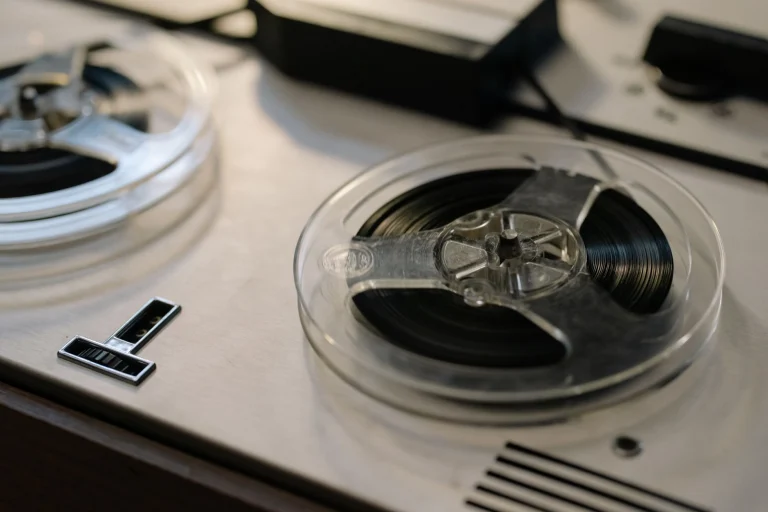
By the mid-1960s, American recording studios were increasingly equipped with multitrack tape machines, giving producers like Brian Wilson far greater flexibility to layer and revise recordings than earlier mono-era technology had allowed. The competitive relationship between American and British acts, particularly the Beach Boys and the Beatles, pushed both toward more ambitious studio work during this period. Capitol Records, the Beach Boys’ label, had built its commercial expectations around the group’s earlier singles-oriented surf and car songs, which shaped the label’s initially lukewarm response to the new album’s more introspective direction.
Sources & Further Reading
- Album reissue liner notes and studio session documentation from Capitol Records
- Major music encyclopedias and critical reference guides covering 1960s pop albums
- Retrospective critical rankings and essays from established music publications
- Published interviews with Brian Wilson and former Beach Boys collaborators
- Academic and journalistic histories of multitrack recording and studio production