The New Wave Movement and Its Pop Crossover
New wave took punk’s energy and synthesizer technology and turned it into some of the biggest pop hits of the 1980s. This piece traces its rise from club scenes to mainstream radio and MTV.

New wave took punk’s energy and synthesizer technology and turned it into some of the biggest pop hits of the 1980s. This piece traces its rise from club scenes to mainstream radio and MTV.

Recorded in the aftermath of singer Bon Scott’s death, AC/DC’s Back in Black became both a tribute and a blueprint for the sound of stadium-sized rock and roll.

Tina Turner’s 1980s comeback turned decades of R&B stage craft into one of rock music’s most celebrated reinventions, redefining what a mature pop star could be.
Whitney Houston paired a gospel-trained voice with disciplined pop production, becoming one of the first Black female artists to dominate mainstream pop radio and MTV.
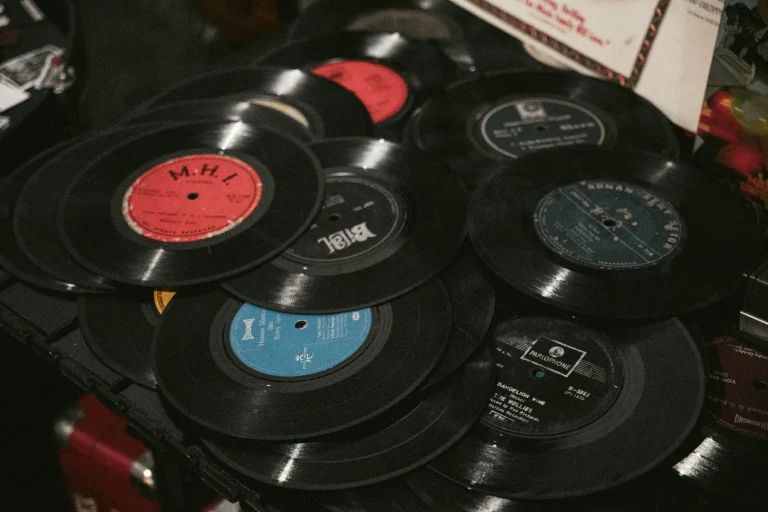
Sampling turned old records into new art, forcing the music industry to rethink creativity, ownership, and what it means to make something original.
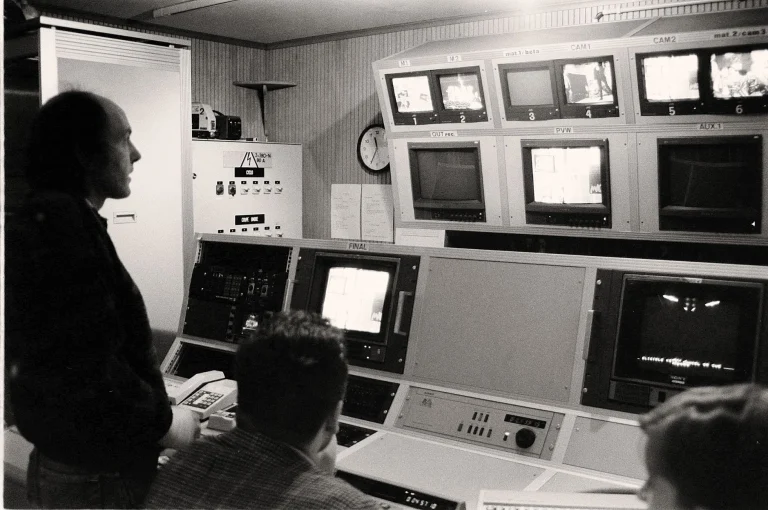
The 1981 launch of MTV turned music videos from promotional afterthoughts into a defining art form that reshaped pop stardom and the music business.

Built around one of pop music’s most recognizable basslines, ‘Billie Jean’ helped redefine studio production, music video culture, and the role of Black artists on American television.
Thriller paired Michael Jackson with producer Quincy Jones to create a genre-spanning album that became the best-selling record in history.

Purple Rain paired Prince’s genre-blending music with a semi-autobiographical film, turning him into a mainstream superstar in 1984.

Prince built his career as a virtuoso multi-instrumentalist who fused funk, rock, and new studio technology, then fought a very public battle for ownership of his own music.