Bohemian Rhapsody: Structure, Production, and Lasting Influence
Few singles in the history of popular music have defied commercial logic as thoroughly as “Bohemian Rhapsody.” Running nearly six minutes, built in distinct movements rather than verses and a chorus, and anchored by a mock-operatic middle section with no guitars or drums at all, the song broke almost every convention of mid-1970s radio programming. Yet it became one of the most recognized, parodied, and analyzed recordings in rock history. Written by Freddie Mercury and recorded by Queen for the 1975 album “A Night at the Opera,” the track’s unlikely success reveals as much about artistic daring as it does about the shifting mechanics of the music business at a pivotal moment.
A Band Betting Everything on Ambition
By 1975, Queen had built a loyal following through albums such as “Sheer Heart Attack,” but the band had not yet achieved the commercial breakthrough that would secure its long-term future. Tangled in a restrictive early management contract and eager to prove its artistic ambitions on a larger canvas, the group poured significant resources into “A Night at the Opera,” at the time reportedly among the most expensive albums ever produced. Freddie Mercury had been composing fragments of what became “Bohemian Rhapsody” for several years, reportedly carrying melodic and lyrical ideas in notebooks before bringing a nearly complete vision to his bandmates, guitarist Brian May, drummer Roger Taylor, and bassist John Deacon. Mercury’s lifelong fascination with opera, theater, and larger-than-life performance shaped the song’s eventual form far more than any single genre convention of rock radio at the time.
Composition: Several Movements in a Single Song
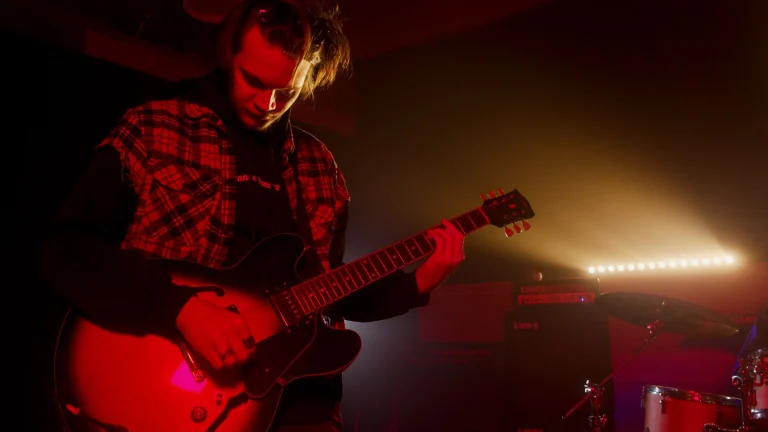
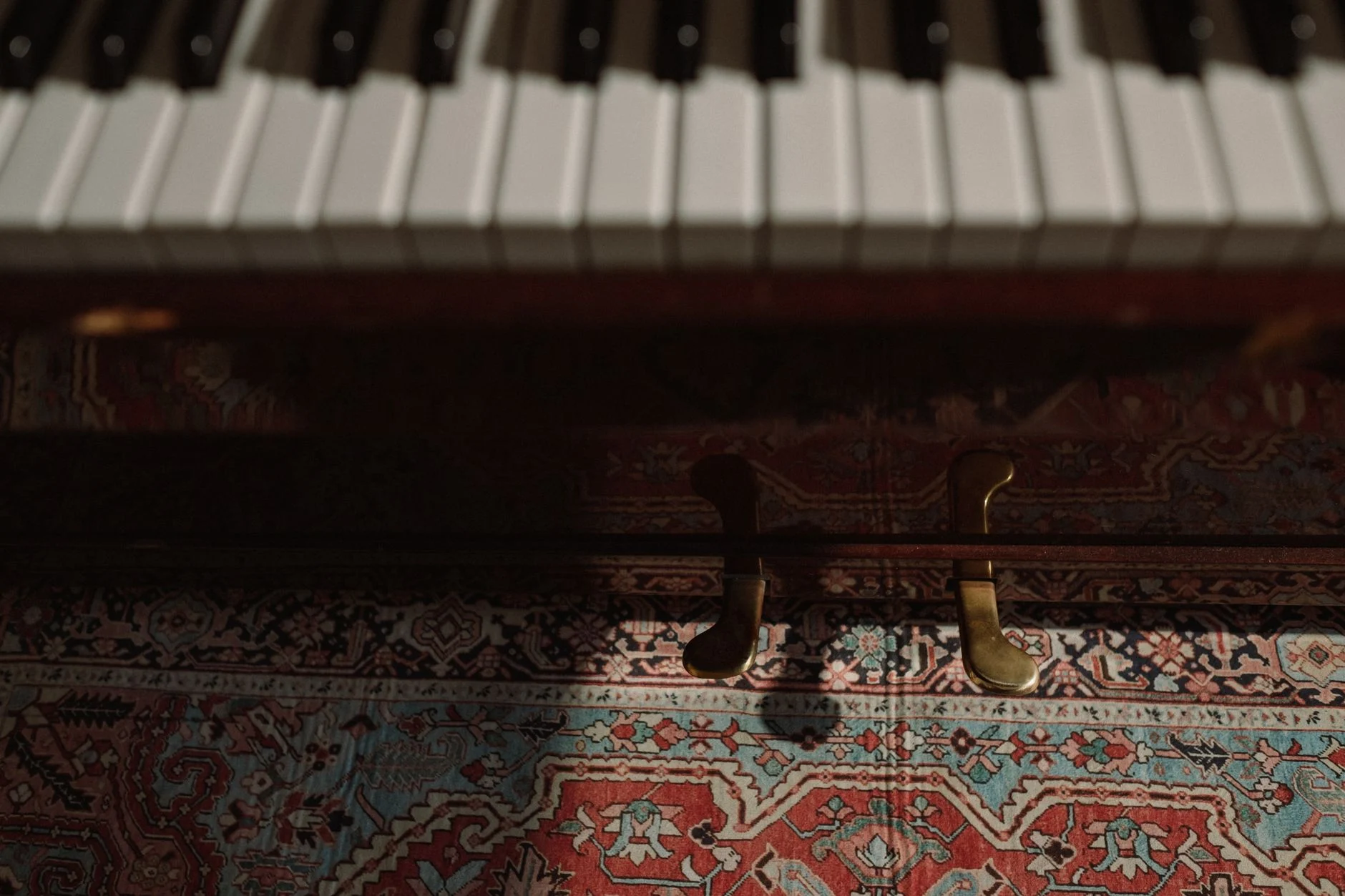
Structurally, “Bohemian Rhapsody” unfolds less like a traditional pop song and more like a suite. It opens with an intimate, piano-led introduction and close vocal harmonies, shifts into a ballad passage carried by Mercury’s lead vocal, moves through a dense, theatrical choral section built from layered harmonies, erupts into a hard-driving rock passage featuring a searing Brian May guitar solo, and finally settles into a quiet, reflective coda that echoes the song’s opening mood. There is no conventional chorus repeated for commercial hooks, and the emotional narrative at the center of the song, often read by critics as a confession, a reckoning, or a meditation on mortality, has never been definitively explained by any band member. That ambiguity has fueled decades of interpretation without ever being resolved by the people who made the record, and many historians consider that openness part of why the song has remained a subject of ongoing fascination.
Arrangement and Recording: Pushing Studio Technology to Its Limits
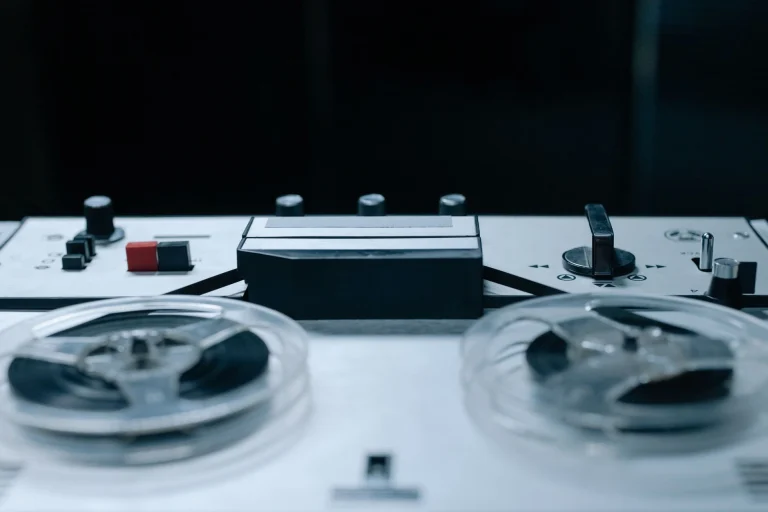
The recording process became almost as celebrated as the song itself. Queen and co-producer Roy Thomas Baker tracked the song across several studios in England over a period of weeks, a long stretch by the standards of the era. The operatic middle section alone reportedly required days of overdubbing, as Mercury, May, and Taylor recorded their voices again and again to build the illusion of a massive choir. Because studios were still working with analog tape with a limited number of tracks, the engineers had to bounce completed vocal passages down to free up additional tracks for further layering, a painstaking process that, according to band accounts, left some sections of tape nearly worn thin from repeated use. The result was a vocal arrangement of remarkable density, built entirely from the four members’ own voices rather than outside session singers or orchestral arrangements.
Few recordings before it had asked a mainstream rock audience to sit through a mock-operatic passage with no drums, no electric guitar, and no conventional hook, and then follow it with a hard-rock explosion and a hushed farewell.
Initial Reception: Radio Resistance and a Turning Point in Promotion
Queen’s record label, EMI, reportedly balked at releasing a single nearly six minutes long, fearing radio programmers would refuse to play something so far outside standard format. The band pushed back, and broadcaster Kenny Everett’s repeated on-air plays of an advance copy are widely credited with building public demand ahead of the single’s October 1975 release. “Bohemian Rhapsody” went on to top the UK singles chart for nine weeks, an unusually long run. Because the band could not appear on every television program requesting a performance, Queen commissioned a promotional film to accompany the single, a decision many music historians point to as an early and influential example of the modern music video, years before MTV existed. The song topped the UK chart again in early 1992 following Mercury’s death, a rare instance of the same recording reaching number one in two separate decades.
Historical Context
In the mid-1970s, British rock audiences were accustomed to ambitious, multi-part compositions from progressive rock acts, but the singles market still largely favored shorter, radio-friendly tracks. Promotional films for singles were not yet a standard industry tool, which made Queen’s decision to commission one for television appearances especially unusual for its time. The song’s chart return after Mercury’s 1991 death also coincided with a broader wave of public mourning and renewed appreciation for his work across the music industry.
Cultural Impact and Lasting Legacy
“Bohemian Rhapsody” has repeatedly resurfaced in popular culture well beyond its original release window. Its prominent feature in the 1992 film “Wayne’s World,” in a scene where passengers headbang along to the hard-rock section, is widely credited with reintroducing the song to a new generation of American audiences nearly two decades after its debut. Decades later, a 2018 biographical film about Mercury and Queen took its title directly from the song, further cementing its status as shorthand for the band’s identity. The track continues to rank near the top of countless critic and listener polls of the greatest songs in rock history, and its structural daring is frequently cited by music scholars as a precedent for artists willing to abandon standard song form for something closer to composed, through-written pieces. Its influence can be traced in the work of countless rock acts who followed, including the theatrical ambitions later explored by figures associated with reinvention as an artistic strategy, the compositional risk-taking pioneered in the studio experiments of earlier British studio innovators, and the broader wave of ambitious, guitar-driven rock that emerged from Britain’s expanding presence in global popular music. The song’s hard-rock passage, with its weighty riffing and extended guitar solo, has also been noted by some critics as an early signpost pointing toward the heavier, more theatrical strains of rock that would follow in subsequent years.
Sources & Further Reading
- Rock & Roll Hall of Fame induction materials and biographical archives
- Official Queen album liner notes and production credits
- Grammy Hall of Fame documentation
- Published retrospective interviews and features in Rolling Stone and Mojo
- BBC music documentaries and retrospective broadcast features