
Stevie Wonder: Innovation, Songwriting, and Sound
By the time he reached his mid-twenties, Stevie Wonder had already spent more than a decade as a recording artist, yet his most transformative work was still ahead of him. Across a remarkable run of albums in the 1970s, the Michigan-born singer, songwriter, and multi-instrumentalist moved from a Motown hitmaker working within the label’s house system to one of American popular music’s most inventive and self-directed artists. This piece examines Wonder’s musical development, the influences that shaped his sound, his landmark recordings, his technical innovations, and the cultural context and legacy of a catalog that reshaped the possibilities of soul and popular songwriting.
Musical Development
Signed to Motown as a child prodigy in the early 1960s and marketed initially as “Little Stevie Wonder,” he built early fame on energetic singles and harmonica-driven performances, including the chart-topping live recording “Fingertips” while still in his early teens. As a teenager he contributed to and absorbed Motown’s rigorous, label-controlled production system, discussed in detail in the history of how the Motown sound was built, learning arrangement, songwriting, and studio craft from the label’s in-house writers and musicians, and gradually taking on a larger role in writing and producing his own singles as the 1960s progressed. By the end of the 1960s, as he approached legal adulthood, Wonder began pressing for greater creative control over his recordings, frustrated by the limits Motown’s assembly-line approach placed on more ambitious material. That shift culminated in a renegotiated contract granting him unprecedented artistic independence, including ownership of his own publishing and final say over his recordings, setting the stage for the extraordinary sequence of albums released between 1972 and 1976 that many historians consider the peak of his creative output.
Influences
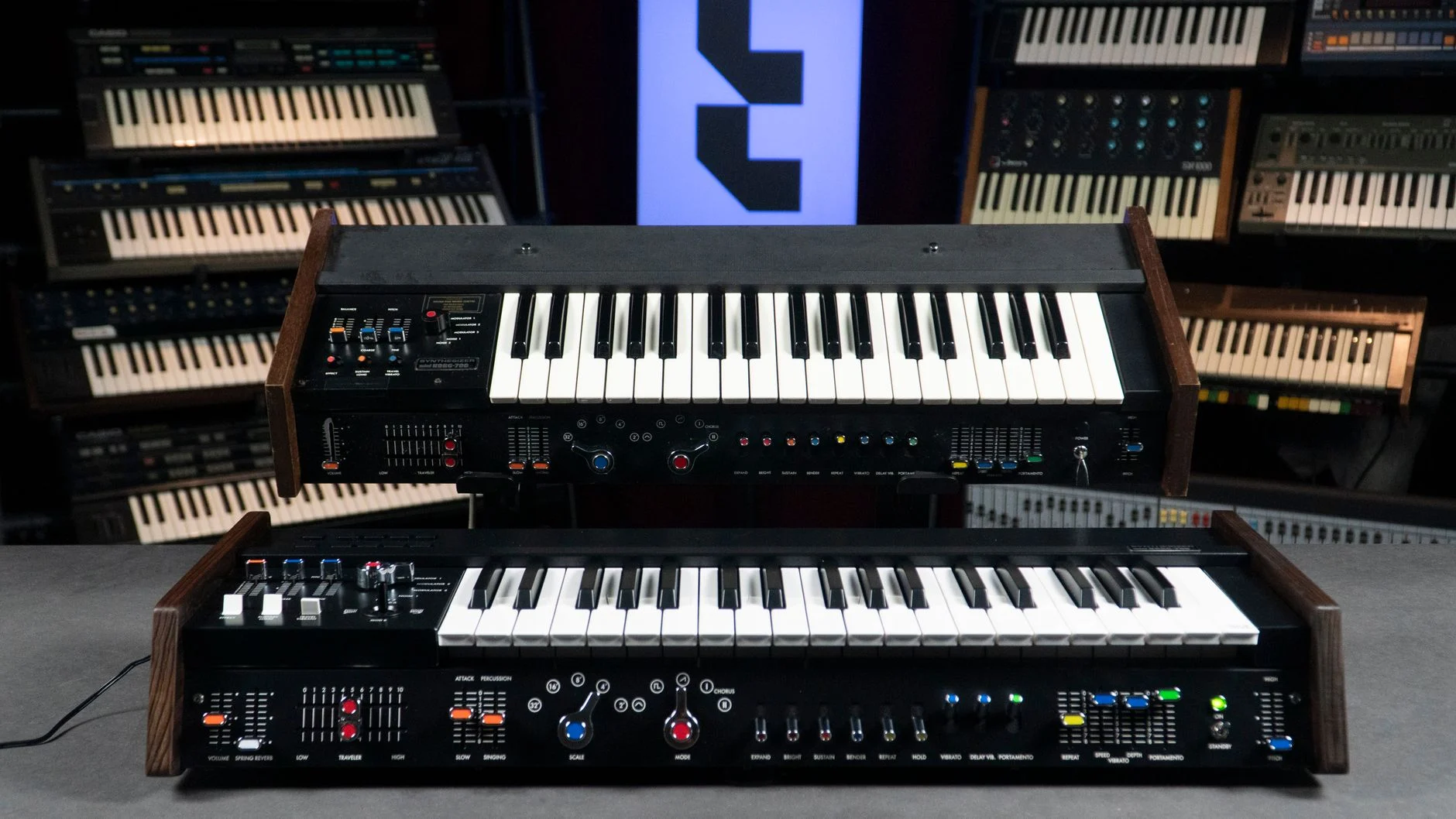
Wonder’s sound drew on gospel vocal phrasing absorbed from his childhood in the church, blues harmonica traditions, jazz harmony, and the rhythmic drive of funk. He has spoken publicly over the years about his admiration for jazz musicians and for the emotional directness of soul vocalists who preceded him at Motown and beyond, and his chord choices often reflected a jazz musician’s harmonic sophistication rather than the simpler progressions common in mainstream pop and soul. His interest in expanding soul’s harmonic vocabulary paralleled, and in some respects influenced, the broader shifts described in the evolution of funk and its rhythmic legacy. He was also an early and enthusiastic adopter of electronic keyboard technology, forming a close working relationship with synthesizer programmers, notably the duo known as Tonto’s Expanding Head Band, that let him translate jazz-influenced chord voicings into a modern, electronically textured sound previously unheard in mainstream soul and pop recordings.
Key Works
“Music of My Mind” and “Talking Book,” both released in 1972, introduced the synthesizer-rich sound that would define his classic period, with the latter containing some of his most enduring singles. “Innervisions” (1973) paired socially conscious lyrics with dense, self-played arrangements and is frequently cited among the most acclaimed albums of the decade, released only weeks before a serious car accident that nearly ended his career and briefly affected his senses of smell and taste. “Fulfillingness’ First Finale” (1974) continued that run, earning further critical and commercial success, and “Songs in the Key of Life” (1976), a sprawling double album accompanied by a bonus disc of additional material, is widely regarded by critics and historians as the summit of his achievement, blending soul, jazz, funk, and orchestral pop into a single sustained statement. Across these records, Wonder often wrote, arranged, played the majority of instruments on, and produced his own material, an unusual degree of control for a major-label artist at the time and one that gave his albums a distinctive unity of vision from song to song.
Innovations
Wonder was among the first major soul and pop artists to make the synthesizer a central compositional tool rather than a novelty effect, working extensively with early polyphonic and programmable synthesizer systems to build layered, orchestral-sounding arrangements largely on his own. He frequently played keyboards, drums, harmonica, and bass himself on recordings, a self-sufficiency that let him realize complex arrangements without depending on session musicians for every part and gave his records an unusually cohesive, singular musical identity. His songwriting also broadened soul music’s thematic range, addressing topics such as urban poverty, drug addiction, environmental concern, and political disillusionment alongside more conventional romantic material, expanding the genre’s social and artistic ambitions in ways that paralleled developments described in the story of Marvin Gaye’s landmark album “What’s Going On”. He did all this, notably, while blind since shortly after birth, a circumstance that makes his mastery of multitrack studio production and multi-instrumental performance all the more remarkable to historians of the recording process.
Few artists of the era did more to prove that a major-label pop and soul record could be simultaneously commercially successful, technologically forward-looking, and socially engaged.
Cultural Context
Wonder’s most celebrated work arrived during a period of significant social upheaval in the United States, including the aftermath of the civil rights movement, urban economic distress, and growing disillusionment following the Vietnam War and the Watergate scandal. His music, along with that of contemporaries working in the broader tradition examined in the history of soul music’s voices and communities, gave voice to those anxieties while also projecting optimism and spiritual affirmation, a combination that broadened his audience well beyond traditional R&B listeners and helped establish him as a crossover figure respected across pop, jazz, and soul audiences alike. His public advocacy also extended into civic life, including prominent support for establishing a national holiday honoring civil rights leader Martin Luther King Jr., underscoring how closely his artistic and social concerns were intertwined.
Historical Context
Wonder’s push for creative independence in the early 1970s coincided with a broader shift among Black recording artists seeking greater control over their own publishing, production, and business affairs after years of restrictive label contracts common throughout the music industry. The period also saw rapid advances in synthesizer technology, with instrument manufacturers producing increasingly affordable and versatile keyboards that opened new sonic possibilities for musicians outside the classical and experimental electronic circles that had previously dominated their use. Wonder’s embrace of these tools placed him at the forefront of a technological transition that would reshape popular music production for decades.
Artistic Legacy
Stevie Wonder’s 1970s catalog is widely cited by musicians and historians as a touchstone for the idea of the self-contained singer-songwriter-producer working within a major popular music idiom. His synthesizer work influenced generations of R&B, pop, and hip-hop producers, and his socially engaged songwriting expanded expectations for what mainstream soul music could address. He has received numerous Grammy Awards across his career and has been inducted into the Rock and Roll Hall of Fame, recognition that reflects his lasting influence on both the sound and the ambitions of popular music. His catalog continues to be studied, sampled, and referenced by artists working across nearly every popular genre, and his example of insisting on creative and business independence from his label is frequently cited as a model for later generations of artists seeking similar control over their own work.
Sources & Further Reading
- Rock & Roll Hall of Fame induction materials
- Recording Academy Grammy Award archives
- Library of Congress National Recording Registry essays
- Official Motown and later label liner notes and session credits
- Published interviews and retrospectives in Rolling Stone and similar outlets