Like a Rolling Stone and the Expansion of the Pop Song
Bob Dylan’s 1965 single Like a Rolling Stone defied pop song conventions on length and lyrical complexity, becoming a lasting symbol of artistic reinvention.


Bob Dylan’s 1965 single Like a Rolling Stone defied pop song conventions on length and lyrical complexity, becoming a lasting symbol of artistic reinvention.

The Beatles moved from tightly structured guitar-pop to studio-built concept albums, transforming songwriting, production, and the very idea of a popular album along the way.

Aretha Franklin turned gospel-rooted vocal power into some of soul music’s most enduring recordings, reshaping songs into personal and social statements. Her career left a lasting mark on American music and on perceptions of Black women performers.
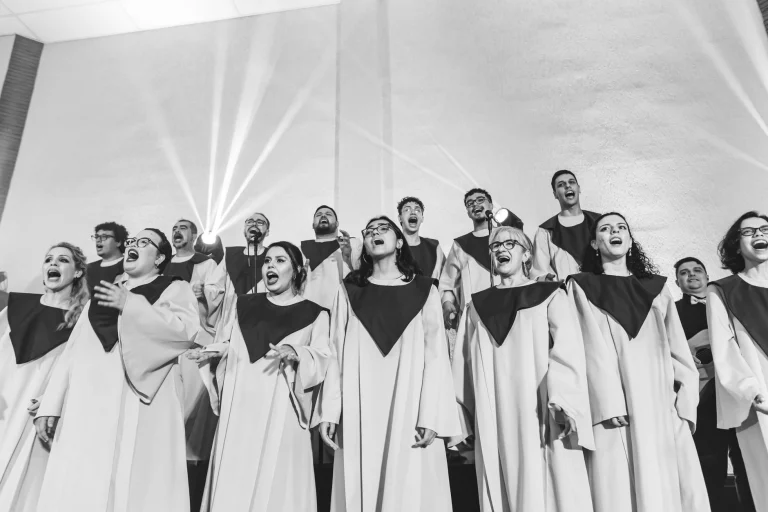
Soul music grew out of gospel and rhythm and blues traditions to become one of the most emotionally direct and socially significant genres of the civil rights era.

The 1960s folk revival turned traditional ballads and union songs into a vehicle for personal expression and protest, launching the modern idea of the singer-songwriter.

In the early 1960s, a wave of British rock bands crossed the Atlantic and permanently changed American pop charts, touring culture, and youth identity.