
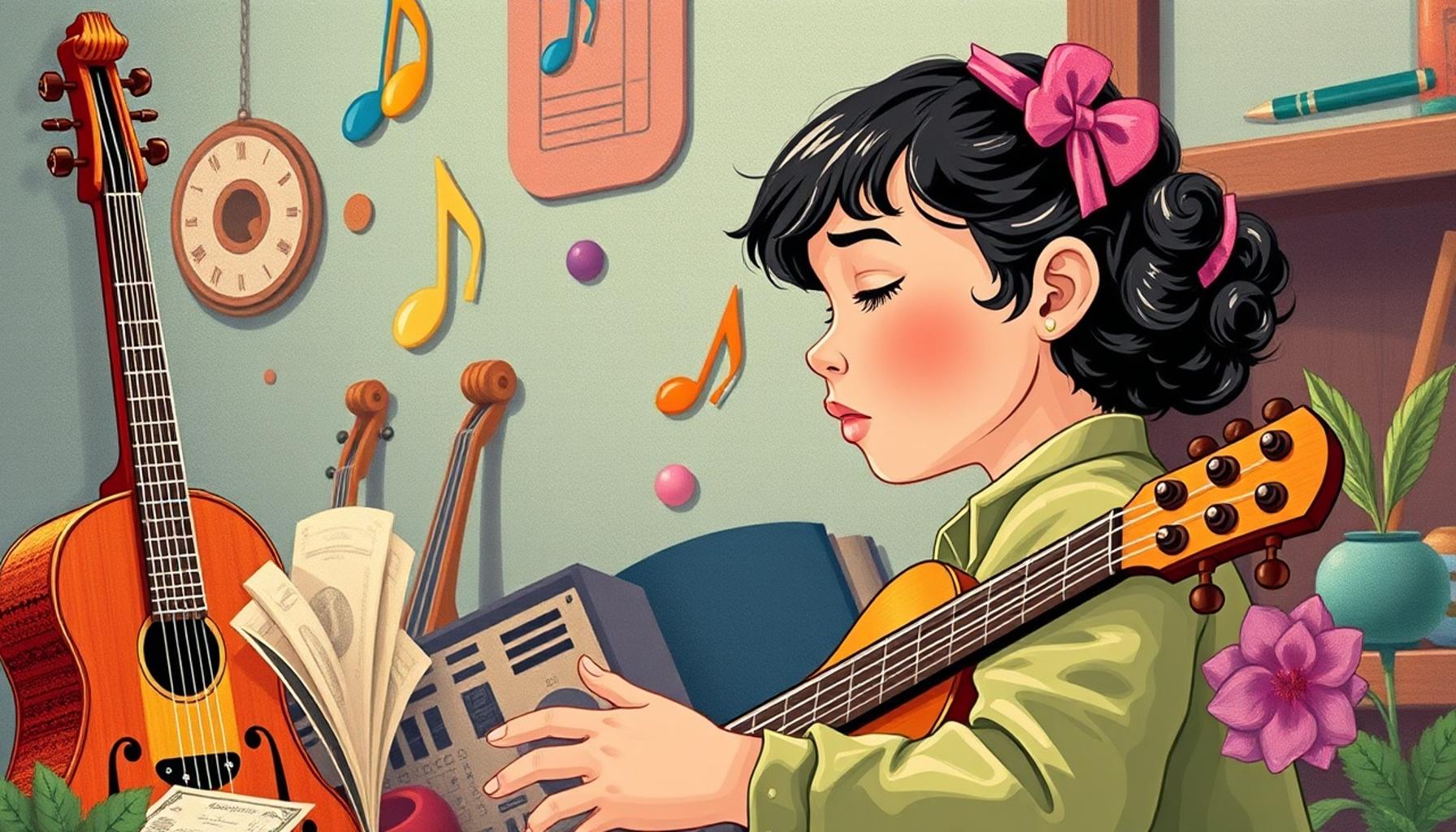
Classical Music and Childhood Memories: How Timeless Melodies Shape Cultural Identity

Classical Music has the power to connect generations, turning childhood memories, emotions, and cultural identity into a timeless soundtrack.
The Influence of Classical Music on Childhood Experiences
Classical Music can play an important role in childhood experiences, shaping emotions, memories, and early cultural awareness. From calming melodies to dramatic symphonies, classical compositions often become part of the personal soundtrack that accompanies family moments, school activities, films, and quiet periods of reflection.
For many people, childhood memories are connected to specific sounds. The gentle notes of Mozart, the expressive works of Debussy, or the energetic symphonies of Beethoven can evoke feelings of comfort, curiosity, excitement, and nostalgia. These emotional connections help explain why Classical Music continues to feel meaningful across generations.
How Classical Music Shapes Childhood Memories
Classical compositions can appear in different parts of a child’s life, creating associations that may last into adulthood. These experiences often influence how children understand emotion, creativity, and personal identity.
- Family gatherings: A familiar piece, such as Vivaldi’s “Winter” from The Four Seasons, can create a warm and memorable atmosphere during family moments.
- Educational settings: Schools may introduce students to rhythm, melody, harmony, and musical history through classical works and music programs.
- Personal reflection: Expressive compositions by composers such as Debussy can offer a sense of calm and emotional depth during moments of introspection.
- Film and media: Symphonic scores and classical-inspired arrangements can introduce children to orchestral music in an accessible and familiar way.
Classical Music in Education and Early Development
Music education often uses Classical Music to teach children the basic elements of sound, structure, rhythm, and expression. Exposure to orchestras, choirs, and instrumental lessons can help young listeners develop a deeper appreciation for musical form and artistic discipline.
Institutions such as the Juilliard School are known for training young musicians and supporting the development of musical talent. While not every child becomes a performer, early exposure to classical compositions can encourage creativity, attentive listening, and a stronger connection to the arts.
The Emotional Value of Classical Music in Childhood
One of the strongest qualities of Classical Music is its ability to express emotion without words. A slow piano piece may feel peaceful or reflective, while a full symphony can sound powerful, joyful, or dramatic. For children, these musical experiences can become linked to important life moments and personal memories.
This emotional connection helps classical pieces remain relevant over time. A melody heard during childhood may later bring back memories of home, school, family, or a specific stage of life. In this way, classical music can become part of a person’s identity and emotional history.
Classical Music and Cultural Identity
In the United States and many other countries, Classical Music appears in schools, community programs, concerts, films, and cultural events. Local orchestras, educational initiatives, and family-friendly performances can make this style of music more accessible to children and families.
Film scores also help introduce younger audiences to orchestral sounds. Composers such as John Williams have used symphonic arrangements that connect classical traditions with contemporary storytelling, making orchestral music familiar to new generations.
Key Ways Classical Music Influences Childhood
- Emotional development: helps children recognize and connect with different moods and feelings.
- Memory formation: links melodies with family, school, and personal experiences.
- Creative curiosity: encourages interest in instruments, composition, and performance.
- Cultural awareness: introduces children to historic composers, musical traditions, and artistic expression.
- Personal identity: creates lasting emotional associations that can continue into adulthood.
In summary, Classical Music can have a lasting influence on childhood experiences by enriching emotional memories, supporting early music education, and connecting young listeners to culture and creativity. Whether heard at home, in school, at a concert, or through a film score, classical compositions can become meaningful markers of childhood and continue to resonate throughout life.
The Role of Classical Music in Shaping Emotional Landscapes
The impact of classical music on childhood memories extends beyond mere tunes; it creates a rich tapestry of emotional experiences that can influence how we interact with the world. Each note and phrase can evoke nostalgia, joy, or even melancholy, allowing for a deeper understanding of our formative years. Research shows that music can help reinforce experiences, making them more vibrant and memorable. For children, these classical compositions often provide a soundtrack for growth and exploration, marking significant milestones along the way.
One of the most profound aspects of classical music is its ability to forge connections between individuals and their surroundings. The following elements highlight how classical compositions contribute to vital childhood experiences:
- Cultural celebrations: Major holidays and celebrations frequently incorporate classical music, creating a sense of unity and shared culture. For instance, Tchaikovsky’s “The Nutcracker” is a staple during Christmas, encouraging families to come together and relish the magic of storytelling through music. These experiences are often engraved in our memories, shaping our cultural identities for years to come.
- Play and creativity: From active listening to creative play, classical music fosters an environment for imagination to flourish. A child’s first exposure to Stravinsky’s “The Firebird” or Prokofiev’s “Peter and the Wolf” can ignite a passion for storytelling, inspiring them to create their narratives through art, dance, or theater. This creative expression paves the way for stronger individual identities that resonate throughout their lives.
- Social connections: Engaging with classical music can also enhance social interactions. Group classes, ensembles, or community events provide avenues for children to bond with peers while cultivating shared interests. Collaborative musical experiences help children develop empathy and communication skills, all while reinforcing a sense of belonging within their cultural group.
The influence of classical music is not confined to the rich traditions of Europe; it is deeply woven into the fabric of American culture as well. Institutions such as the New York Philharmonic dedicate efforts to engage children through interactive programs and community outreach, promoting exposure to classical compositions at an early age. Furthermore, music festivals like the Seattle Chamber Music Society offer learning opportunities that ignite curiosity and foster appreciation among younger generations.
Moreover, the marriage between technology and classical music has opened avenues for greater accessibility. With streaming platforms providing easy access to thousands of renowned pieces, children today have more opportunities than ever to explore where classical music intersects with their experiences and identities. This intersection could very well shape the next generation’s perception of classical music and its importance in cultural narratives and personal histories.
As we delve deeper into the connections between classical music and childhood experiences, it becomes clear that these melodious influences have lasting effects on personal growth and identity. Through exploring these themes, we can uncover how the soundtrack of our youth continues to echo throughout our lives, carving out who we become amidst the notes and harmonies that define our past.
| Cultural Impact | Emotional Connection |
|---|---|
| Classical music as a cultural artifact | Evokes strong emotional memories |
| Influences identity development | Enhances emotional intelligence |
In exploring how classical music shapes memories and cultural identities, one cannot overlook its cultural impact. Classical compositions serve as historical documents, reflecting the values, struggles, and triumphs of different societies. Exposure to such music instills a sense of belonging and identity among listeners, particularly in formative years. Children who grow up surrounded by classical music often develop an appreciation for various cultural narratives.On the other hand, the emotional connection fostered through these musical experiences cannot be understated. Evoking strong emotional memories linked to family gatherings, celebrations, or quiet moments of reflection, classical music becomes intertwined with the personal experiences of individuals. It enhances emotional intelligence by allowing listeners to process complex feelings and empathize with different situations, forging a deeper bond with their own identity and that of others.These dimensions highlight the multifaceted role classical music plays as a soundtrack of childhood, shaping not just individual memories, but also collective cultural identities. Continued exploration of this theme opens up avenues for understanding how music influences societal norms and personal development.
The Lasting Impact of Classical Music on Personal Development
As children navigate through experiences that shape their identities, classical music offers more than just auditory enjoyment; it serves as a vital instrument for enhancing cognitive, emotional, and social skills. The benefits of classical music extend into various aspects of personal development, creating avenues for growth that often follow individuals into adulthood.
One significant area where classical music plays a crucial role is in cognitive development. Studies indicate that children who regularly engage with music—whether through listening, playing an instrument, or participating in a choir—exhibit heightened skills in areas such as mathematics and language. This phenomenon, often referred to as the “Mozart Effect,” suggests that exposure to classical music can stimulate brain areas responsible for spatial-temporal reasoning, improving problem-solving and analytical skills. Schools across the United States are increasingly incorporating music into their curriculums, recognizing it as a vital component of holistic education.
Furthermore, the ability of classical music to evoke emotional connections in children cannot be overlooked. Emotional intelligence is heightened in children who engage with music as it encourages reflection and expression. Whether through the gentle strings of Vivaldi or the dynamic crescendos of Beethoven, children learn to identify and articulate feelings, laying the groundwork for healthier emotional regulation as they mature. Music therapy programs in various American institutions leverage these concepts, providing children with tools to process complex emotions and navigate social situations effectively.
Another fascinating aspect to consider is how classical music is intricately tied to various cultural narratives. In a multicultural nation like the United States, the influences of classical music merge with different cultural backgrounds, leading to a richer cultural identity. Composers such as Duke Ellington and Aaron Copland integrated elements of folk and jazz into their classical compositions, illustrating how music transcends boundaries and resonates with diverse populations. Children exposed to these sounds learn to appreciate the myriad of cultural influences that weave into the American identity, fostering inclusivity and understanding of different cultural perspectives.
Additionally, instances where classical music has become part of childhood storytelling experiences are noteworthy. Many parents introduce their children to fairy tales and folk stories accompanied by musical scores that help bring narratives to life. Programs such as Music for Young Children explore these ideas, blending storytelling with classical compositions to create a dialogue between music and imagination. This aids children in developing a love for literature while enhancing their listening and comprehension skills.
Engagement with classical music can also pave the way for greater civic engagement. As children participate in ensemble performances or attend community orchestras, they develop a sense of belonging and responsibility within their communities. These experiences instill values of teamwork and collaboration, which are crucial for future interactions in both personal and professional realms. Additionally, events like National Youth Orchestra programs empower youth to participate in musical projects that can serve as outlets for self-expression, social change, and community improvement.
In exploring the various dimensions of classical music’s influence on childhood, it becomes evident that this art form provides rich opportunities for cognitive, emotional, social, and cultural development. As children grow up surrounded by the captivating melodies of classical music, they carry with them the echoing symphonies that contribute to their unique identities and shared cultural narratives.
Reflections on the Soundtrack of Childhood
In reflecting on the profound impact of classical music, it is clear that this timeless genre is not merely an auditory companion, but a cornerstone of childhood development and cultural identity formation. The melodies that accompany formative experiences leave indelible imprints on emotional and cognitive landscapes, shaping how children perceive their world. Engaging with classical music can enhance cognitive skills, fostering creativity and critical thinking—skills vital for success in the modern age.
Moreover, the emotional resonance of composers like Mozart and Chopin speaks to the heart, offering children the tools to navigate their feelings and forge connections with others. This development through music is crucial as children learn empathy, understanding, and collaboration, key ingredients for thriving in a diverse society. Herein lies the potential of classical music to bridge gaps between cultural narratives, fostering a sense of community and shared heritage that enriches the tapestry of identity in the United States.
The blending of cultural influences forged within the world of classical music invites children to explore and appreciate diversity, cultivating a mindset geared towards inclusiveness. As they forge their individual paths, the soundtrack of their childhood will continue to resonate, inspiring creativity, fueling aspirations, and nurturing a commitment to the communities they are part of. Ultimately, the melodies of classical music are not just echoes of the past; they are the vibrant backdrop to our present and a symphonic promise for the future. As we encourage the exploration and appreciation of these masterpieces, we open the door for generations to embrace the cultural richness embedded in classical music, ensuring it remains an essential part of the African-American and American tapestry.

Restore Music Editorial Team researches and publishes original editorial content about songs, artists, albums, music videos, and music history. Our goal is to provide accessible, well-structured music stories supported by context, references, and cultural analysis.