The Influence of 80s Artists on Current Pop Music: A Nostalgic Journey
A Deep Dive into the Innovative Soundscape of the 1980s
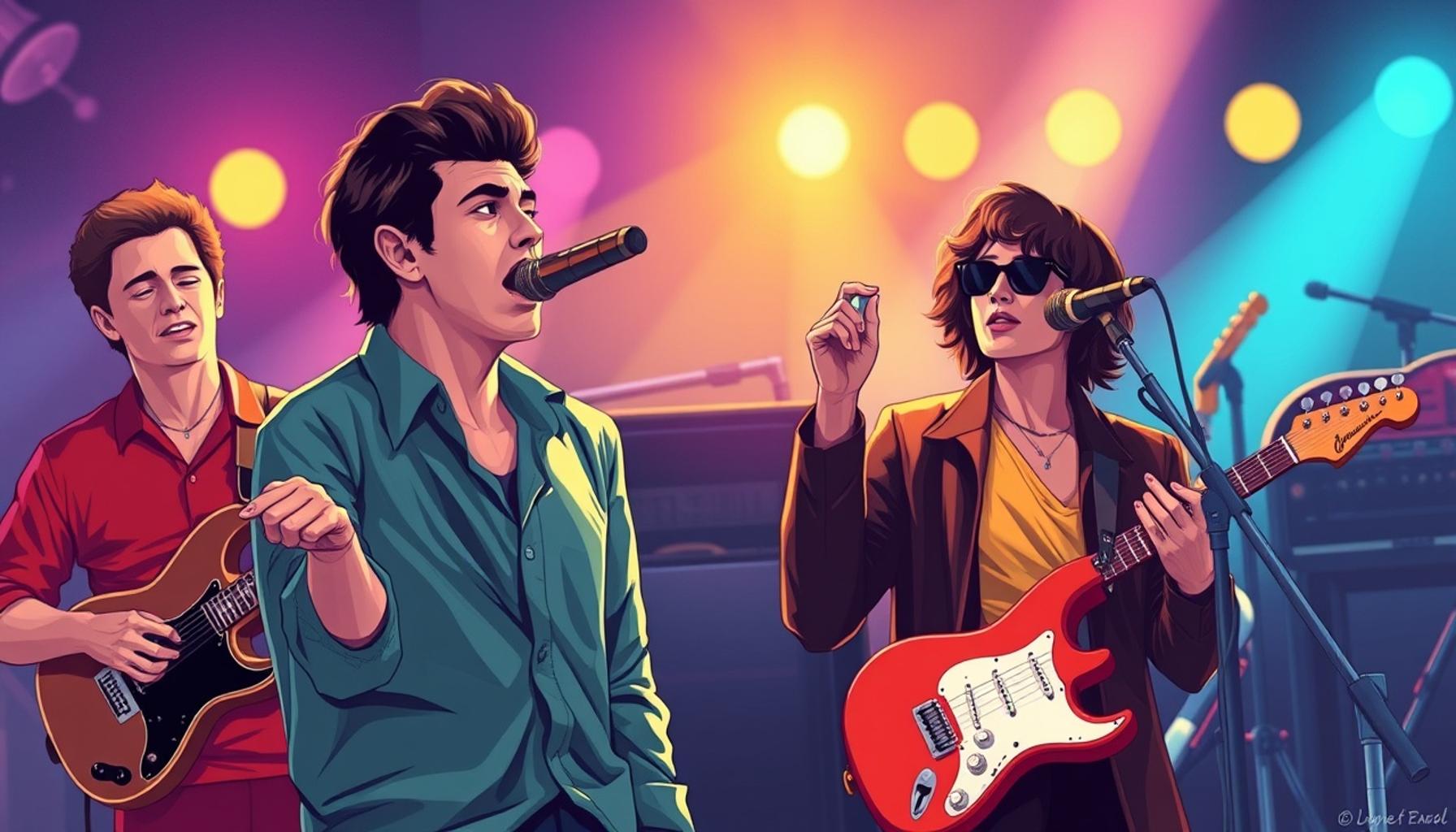
The vibrant sounds of the 1980s have left an indelible mark on the landscape of modern pop music. Iconic artists from this transformative decade didn’t merely produce chart-topping hits; they forged an entire cultural movement that continues to influence the music we hear today. The 80s was a period characterized by experimentation and bold creativity, reflecting the societal changes and technological advancements of the time.
Key Contributions from 80s Icons:
- Instrumentation: The introduction of synthesizers and drum machines became staples in pop productions. Artists like Depeche Mode and Duran Duran made extensive use of electronic sounds, paving the way for the synth-pop genre. The sweet, synthetic melodies created a new musical language that allowed artists to explore themes of love, rebellion, and identity in ways previously unimagined.
- Fashion Statements: Bold styles influenced not only the visual presentation of artists but also how they were perceived in mainstream culture. Take, for example, Cyndi Lauper’s eclectic mix of punk and glam, which encapsulated the playful spirit of the decade. Her vibrant color choices and unique personal style inspired countless fans and artists to express themselves through fashion, making it an integral part of their artistic identity.
- Gender Dynamics: Figures like Madonna and Prince challenged traditional norms in music and identity by embracing sexuality, fluidity, and empowerment. Madonna’s provocative imagery and lyrics redefined the female artist’s role, allowing women not just to sing about love but also to speak openly about sexuality and empowerment. Similarly, Prince’s androgynous style blurred gender lines and showcased the freedom of personal expression in a music world often steeped in strict categorizations.
From Michael Jackson’s groundbreaking albums like “Thriller” to Whitney Houston’s soaring ballads, the 80s created a template for what pop music could achieve. Many contemporary artists, including the likes of Bruno Mars and Lady Gaga, cite these icons as inspirations, skillfully blending innovative sounds with modern elements. Genres such as pop, hip-hop, and EDM today are infused with a nostalgic flair that unmistakably harkens back to this electrifying decade, highlighting the timelessness of 80s music.
What Their Legacy Means Today:
- Sampling Trends: Many current hits feature samples from classic 80s tracks. Songs by artists like Dua Lipa and The Weeknd include catchy hooks and rhythmic patterns that provide a nod to iconic songs from artists like Madonna and Michael Jackson, creating a bridge between generations.
- Collaboration: Modern artists frequently collaborate with 80s legends, breathing new life into classic songs and introducing them to a younger audience. Collaborations such as Sam Smith with Nile Rodgers exemplify how the past seamlessly integrates with the present to create music that resonates across demographics.
- Nostalgic Themes: Current music often evokes feelings linked to the 80s culture. This can be seen in both the lyrical content and the sounds, as many new tracks tap into the wistful, carefree spirit of the 80s, reminding listeners of formative experiences and the vibrant, sometimes chaotic, energy of that era.
This exploration into the intricate connections between the music of the past and today’s beats reveals how profoundly the creative output of the 1980s continues to resonate. The legacy of these artists has created a rich tapestry of sound, reminding us that inspiration is often found in the echoes of history, forever shaping the future of music.
The Sonic Revolution That Shaped Music History
The 1980s were a transformative decade, not just for music but for the cultural fabric of society. Artists like Michael Jackson, Madonna, and Prince were not merely entertainers; they were pioneers who pushed the boundaries of musical genres and influenced countless artists across generations. The eclectic sounds of the 80s blended pop with rock, funk, and even new wave, creating a rich sonic environment that continues to reverberate in today’s pop landscape.
A Shift in Musical Production:
The 80s saw a significant shift in how music was produced and consumed. The rise of music videos on platforms like MTV changed the way artists presented their work. Visual storytelling became as important as the music itself, with compelling visuals drawing in audiences and creating memorable icons. The choreography of Michael Jackson and the theatricality of Madonna set a high bar for performance arts in the music industry, influencing modern pop stars to fuse visual creativity with their sound.
- Synth-Pop and Electronic Elements: The introduction of synthesizers heralded a new era in music production. Bands such as Depeche Mode and New Order employed electronic instrumentation to create infectious rhythms and catchy melodies that appealed to a diverse audience. This innovation paved the way for today’s pop and electronic artists, who skillfully incorporate synthesizers and digital sounds into their repertoire.
- Genre Blending: The 80s brought about a newfound flexibility in genre definition. The fusion of rock with pop led to the emergence of genres like soft rock and glam metal. Artists such as Bon Jovi and A-ha seamlessly melded different sounds, a practice that is frequently mirrored in the chain of modern genres including pop-rock and country-pop collaborations.
- Lyricism and Studio Innovation: The thoughtful incorporation of narrative in songwriting reached new heights during this decade. Whitney Houston and Cyndi Lauper captivated listeners with lyrical content that delved deep into personal stories and social themes. Today, artists continue to draw from these rich, emotional lyrics, as seen in the works of contemporary songwriters like Taylor Swift and Adele.
Moreover, the cultural significance of the 80s is omnipresent in modern pop music, with artists often invoking this nostalgic aura through their sound and style. Today’s pop icons often pay homage to their predecessors, not just in the music they create but in the risks they take to stand out in a saturated industry. The influences of 80s artists serve as a foundation for innovation and creativity, reminding us that the past is never too far from the present, continuously shaping pop music’s evolution.
As we delve deeper into the influence of 80s artists on current pop music, it’s essential to examine how their innovative styles and groundbreaking techniques reshaped the landscape of the music industry. The 80s was a transformative era marked by the rise of synthesizers, drum machines, and iconic vocal performances. These elements have become staples in modern pop production, creating a direct thread connecting past and present.One notable aspect is the resurgence of synth-pop sounds in contemporary arrangements. Artists today are often seen revisiting the vibrant, electronic textures that defined the genre. The ethereal layers of synths and catchy hooks found in songs from prominent 80s bands like Duran Duran and Prince can be heard echoing in the works of current chart-toppers such as Dua Lipa and The Weeknd. This revival is not merely a trend but a homage to a rich musical heritage that continues to inspire.Moreover, the visual aesthetics that accompanied 80s music have permeated today’s pop culture. The persona and style of artists like Madonna and Michael Jackson have paved the way for modern entertainers to express their uniqueness. The incorporation of bold fashion choices, elaborate music videos, and theatrical performances reflects a continuing dialogue between generations of musicians. Performers such as Lady Gaga and Harry Styles draw inspiration from this era, expertly blending nostalgia with contemporary flair.The influence of 80s artists in current songwriting is also notable. The storytelling techniques, emotional rawness, and catchy choruses characteristic of this era have found their way into the lyrics of today’s hits. Artists like Taylor Swift demonstrate this connection through vivid narratives that resonate with audiences, reminiscent of the lyrical depth explored by 80s legends.As we continue this journey through time, it’s clear that the foundational work laid down during the 80s is more than just a nostalgic reminder; it’s a driving force behind the evolution of pop music. This fascinating interplay validates the enduring impact of past artists and the vibrant culture they cultivated, urging us to explore their influential legacies further.
The Enduring Legacy of 80s Icons
As we explore the enduring impact of 80s artists on current pop music, it becomes evident that their revolutionary spirit and stylistic flourishes continue to resonate in the work of today’s leading musicians. This phenomenon showcases how the nostalgic echoes of the past can shape new musical landscapes, engaging contemporary audiences with a familiar yet innovative sound.
Fashion and Visual Identity:
In addition to their musical contributions, the 80s artists were trendsetters whose fashion choices established visual identities that have lasting implications in the music industry. Think of Madonna’s lace gloves and mixed-pattern costumes, or Prince’s flamboyant attire; these bold styles set standards for how artists today cultivate their public personas. Modern pop superstars like Lady Gaga and Billy Porter draw from this lexicon of daring fashion, unafraid to push the boundaries of gender and self-expression.
- Influential Collaborations: The tradition of collaboration in music has roots in the 80s, with legendary pairings such as David Bowie and Queen producing unforgettable hits. Today’s artists often collaborate across genres, much like their predecessors, to breathe new life into their sound. This is evident in tracks that bring together genres, aligning with the eclectic spirit that characterized the 80s, such as Post Malone combining hip-hop with rock influences.
- Sampling and Tribute: The technique of sampling, which became prominent in the 80s through the works of artists like Run-D.M.C., is now a cornerstone of popular music production. Artists such as Katy Perry and Dua Lipa frequently incorporate elements from 80s classics into their tracks, paying homage while simultaneously creating something fresh and relevant.
- Cultural Reflection and Activism: Many 80s artists infused their music with messages of social justice and personal empowerment, with Public Enemy and Madonna leading the charge. Artists today continue this legacy, exploring themes such as mental health awareness and LGBTQ rights, drawing inspiration from the candid expression and cultural commentary of their 80s predecessors.
Moreover, the technological advances that defined the 80s not only transformed music production but laid the groundwork for the digital age of today. The emergence of home studios and affordable recording technology enabled a broader array of artists to enter the industry. Today’s indie musicians owe much to this democratization of music creation, reflecting the 80s ethos of creativity and accessibility.
In essence, the connection between 80s artists and current pop musicians reveals a rich tapestry woven from shared influences and innovative methods. Whether through musical stylings, fashion statements, or poignant lyrical themes, the remarkable legacy of the 80s persists, reminding listeners of the music that shaped modern culture while continuing to inspire new generations of talent. As we pay homage to this vibrant era, it becomes clear that the nostalgia serves not just as a window to the past but as a bridge to the future of pop music.
Reflecting on the Past to Shape the Future
In conclusion, the impact of 80s artists on current pop music is both profound and pervasive, serving as a testament to the power of nostalgia in shaping contemporary culture. As we have seen, the innovative sounds and bold styles of this iconic decade continue to influence today’s artists in multifaceted ways, from their musical compositions to their fashion statements. The practice of sampling, iconic collaborations, and cultural commentary rooted in the 80s are not just mere echoes of the past; they are essential elements that enrich the fabric of modern pop.
Furthermore, the spirit of activism and self-expression pioneered by legends like Madonna and Public Enemy remains relevant, fueling ongoing conversations about social justice, mental health, and identity across generations. The technological advancements from that era, which democratized music production, empower today’s diverse voices to explore new art forms and experiments, thus continuing the legacy of creative accessibility.
As listeners, we are invited to engage with this dynamic interplay of past and present, allowing us to appreciate the artistry that shaped our musical landscape while embracing the fresh sounds of modernity. The nostalgic journey through the influence of 80s artists ultimately reminds us that music is a living, evolving form of expression—one that honors its roots while relentlessly pushing forward into new realms of possibility. In celebrating this influential decade, we find both a bridge to our shared cultural history and a gateway to the future of pop music.

Restore Music Editorial Team researches and publishes original editorial content about songs, artists, albums, music videos, and music history. Our goal is to provide accessible, well-structured music stories supported by context, references, and cultural analysis.