
The Evolution of Concept Albums: How Musical Narratives Transformed the Listening Experience in the 1970s and 1980s
Revolutionizing Music through Cohesive Storytelling
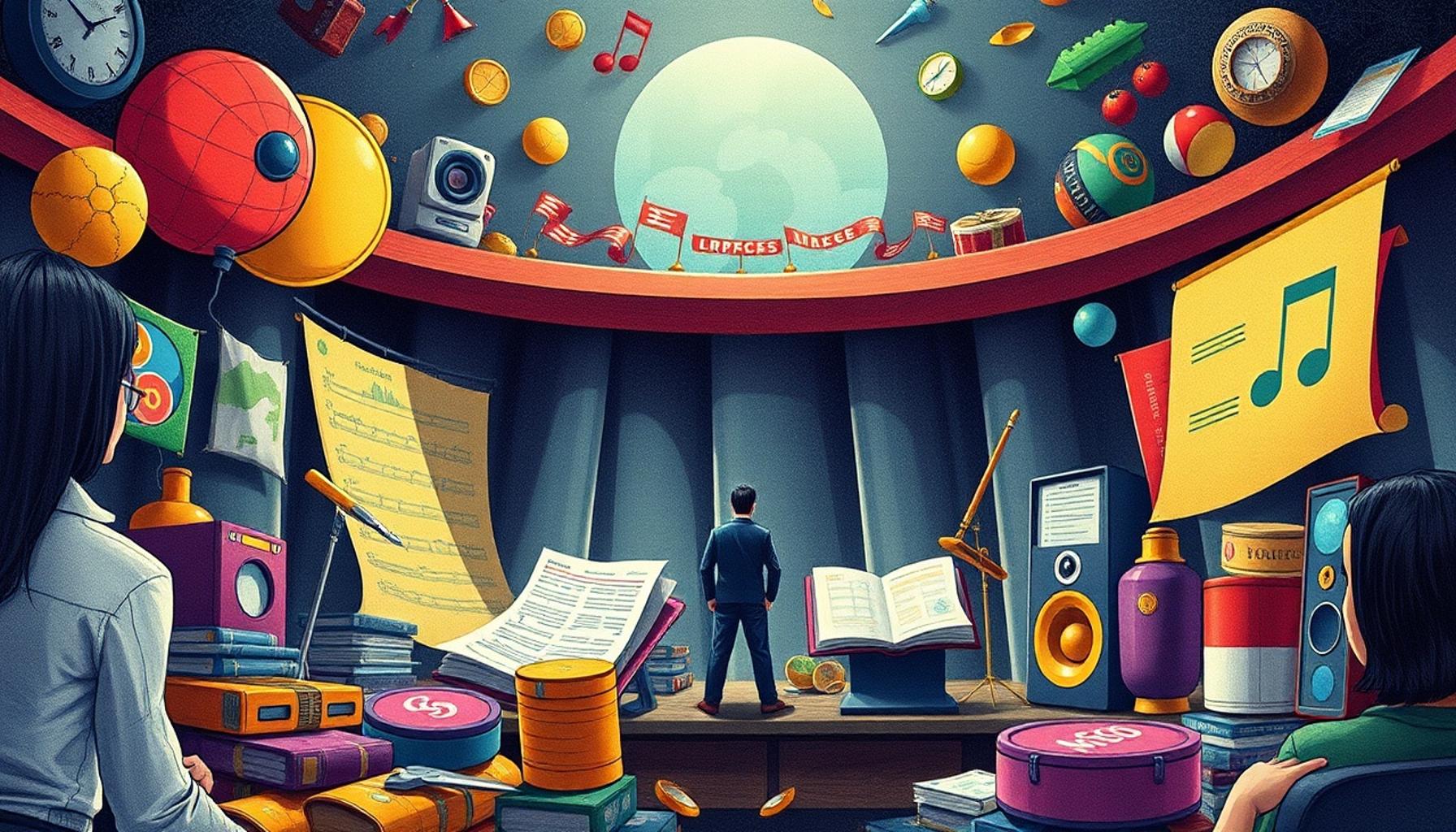
The music landscape of the 1970s and 1980s witnessed a profound transformation, one that altered not just how music was consumed but how it was created. This was the age of the concept album, a format that transcended the traditional boundaries of individual songs to offer listeners a rich, immersive experience. Concept albums became synonymous with ambitious storytelling and thematic depth, allowing artists to weave intricate tapestries of sound and narrative.
Narrative Structure
At the heart of many iconic concept albums was a carefully crafted narrative structure. Pink Floyd’s “The Wall,” for instance, is a compelling journey through isolation and alienation. The album takes listeners through the life of Pink, a character who grapples with fame, loss, and emotional detachment, ultimately leading to his self-imposed isolation behind the metaphorical wall. Similarly, The Who’s “Quadrophenia” is a rock opera that explores the identity crises faced by a young Mod in 1960s England, illustrating the generational conflicts and societal pressures of the time. These narratives invite listeners not just to hear but to engage and interpret, creating a cultural dialogue that extended beyond the music itself.
Thematic Exploration
Concept albums also allowed artists to delve into thematic exploration like never before. The eclectic genre-blurring of this period encouraged musicians to tackle a myriad of subjects, from profound societal issues to their personal struggles, thereby fostering reflection among listeners. For instance, Marvin Gaye’s “What’s Going On” serves as a poignant commentary on social injustice, war, and environmental concerns, urging listeners to confront the realities of their time. This fearless approach not only led to increased awareness but sparked conversations that resonated in the broader cultural context.
Innovative Formats
In terms of format, concept albums often defied conventional expectations. Musicians began utilizing a diverse array of genres, merging rock, pop, jazz, and classical elements into a singular work. This experimentation culminated in inventive soundscapes that added further layers to the narrative. For instance, Jeff Wayne’s “The War of the Worlds” combined rock with orchestral arrangements to narrate H.G. Wells’ science fiction classic, effectively creating an auditory movie. Such innovative approaches to album structure not only challenged the status quo but also led listeners to perceive music itself as a multifaceted art form.
Cultural Impact
The cultural impact of concept albums cannot be overstated. As fans embraced the notion of albums as holistic experiences, they began to demand more from artists. This growing expectation prompted musicians to craft stories that extended beyond individual tracks, leading to a more engaged and thoughtful listener base. The legacy of this creative explosion continues, influencing contemporary artists across genres who look to these concept-driven formats as a source of inspiration.
In conclusion, the 1970s and 1980s not only reshaped the music industry but also redefined the relationship between an artist and their audience through the concept album. This format encouraged deeper engagement with music, and its influence echoes through the work of today’s musicians, celebrating the enduring power of storytelling in the realm of sound.
Unpacking the Concept Album Phenomenon
The rise of concept albums in the 1970s and 1980s not only transformed the music industry but also redefined what it meant to experience an album. Artists began to experiment with a new paradigm where each track served a specific purpose within a broader narrative framework, allowing them to communicate complex themes and emotions. This shift towards cohesive storytelling captivated audiences and fostered a deeper connection between artists and listeners.
Defining Characteristics of Concept Albums
Several key characteristics distinguish concept albums from traditional music releases. Firstly, a strong narrative thread runs throughout the entire album, guiding listeners through a journey rather than presenting a collection of unrelated songs. Secondly, the thematic content often addresses profound topics, engaging listeners on both intellectual and emotional levels. These characteristics can be summarized as follows:
- Cohesive Narrative: Each song contributes to an overarching story or concept.
- Thematic Depth: Topics often include personal struggles, societal issues, or philosophical questions.
- Varied Musicality: Artists blend different musical genres and styles to enhance the storytelling experience.
- Interconnectedness: Transitions and motifs link tracks, creating a seamless auditory experience.
Advancement of Auditory Technology
The technological advancements of the time played a crucial role in the evolution of concept albums. The shift from vinyl records to cassette tapes and eventually CDs allowed for longer playtimes and the possibility of more intricate compositions. Artists could experiment with sound in ways that were previously unimagined, using multi-track recording techniques to layer instrumentation and vocals. Bands like Queen and their landmark album “A Night at the Opera” utilized these technologies to explore storytelling through theatrical and operatic elements, setting the stage for future artists to push boundaries.
Influential Artists of the Era
Many iconic artists made significant contributions to the concept album format during this transformative period. Apart from Pink Floyd and The Who, other influential figures include:
- David Bowie: His “The Rise and Fall of Ziggy Stardust and the Spiders from Mars” became a defining narrative of identity and fame within glam rock.
- Genesis: Albums like “The Lamb Lies Down on Broadway” showcased elaborate storylines paired with progressive rock instrumentation.
- Jethro Tull: With “Thick as a Brick,” the band presented a single continuous piece divided into two sides, challenging traditional album formats.
Through these visionary works, artists demonstrated how concept albums not only served as creative outlets but also forged a new path for artistic expression, forever altering the landscape of music consumption in America and beyond. As listeners began to immerse themselves in these narratives, the relationship between music and its audience deepened, setting the stage for the ongoing evolution of the concept album.
During the 1970s and 1980s, the concept album emerged as a pivotal medium that reshaped not only the creation of music but also the way audiences engaged with it. This era saw artists beginning to weave elaborate stories through their albums, transcending traditional song structures that focused solely on singles. Music was no longer just a collection of tracks; it became an immersive experience that could convey themes, emotions, and narratives.One notable example is Pink Floyd’s “The Wall,” released in 1979. This double album serves as both a musical journey and a rock opera, depicting the psychological struggles of its protagonist, Pink. The seamless flow between tracks enhances the storytelling aspect, making it a transformative listening experience. The integration of theatrical elements and elaborate visual performances further amplified its impact, inviting listeners to not just hear but experience the music in a profoundly different way.Similarly, David Bowie’s “The Rise and Fall of Ziggy Stardust and the Spiders from Mars” broke new ground with its exploration of identity, fame, and alienation. Through Ziggy Stardust, Bowie created a persona that not only served as a character in a narrative but also provided commentary on the world of rock and its culture. This blending of music and narrative allowed for a deeper connection with fans, as they were drawn into the life and struggles of the fictional character.As listeners embraced the concept album format, entire subcultures emerged, centered around these narratives. The tradition of “listening parties,” where fans would gather to experience an album from start to finish, became commonplace. This communal experience not only fostered personal connections among fans but also established a collective appreciation of artistic expression. The concept album thus became a driving force that changed the landscape of not just rock music, but also how music could be perceived and enjoyed across genres. The 1980s introduced further advancements in audio technology, allowing for even more intricate productions. Artists experimented with synthesizers, multitrack recording, and innovative sound effects, enhancing the narrative experience within their albums. This period set the stage for future generations, solidifying the concept album as a crucial pillar of musical artistry and cementing its lasting influence in popular culture.From these defining moments, the dialogue around music evolved, influencing artists and listeners alike to explore deeper themes and complex storytelling. The legacy of the concept album continues to be felt today, as modern musicians draw inspiration from the power of narrative to captivate audiences and redefine the listening experience. Through this evolution, the impact of concept albums has proven that music is much more than just sound; it is a medium for profound storytelling and emotional connection.
The Cultural Impact of Concept Albums
The emergence and popularity of concept albums during the 1970s and 1980s didn’t just alter musical creation; it also reflected and influenced the cultural milieu of the time. As societal norms shifted, so did the artistic expression within the music industry. Concept albums became a form of storytelling that paralleled the cinematic storytelling seen in films, resonating with a generation eager for deeper meanings.
Connection to Societal Movements
During this period, the United States was rife with cultural upheaval. The civil rights movement, the feminist movement, and the anti-war protests provided fertile ground for the thematic exploration found in many concept albums. Artists began using their music as a platform for social commentary, addressing issues like alienation, war, and inequality in ways that sparked discourse and reflection. For instance, Pink Floyd’s “The Wall” functions not only as an artistic emblem of psychological struggle but also critiques the Wall Street culture and government authority of the time.
Visual Art and Packaging
The concept album era also ushered in an aesthetic revolution, where album art and design became crucial components of the overall listening experience. Notably, Roger Dean, an artist whose cover art for bands like Yes and Asia characterized fantastical landscapes and vibrant colors, influenced how listeners perceived the narratives within the albums. The elaborate cover designs served as visual extensions of the stories inside, enhancing the immersive experience. This practice set a precedent that artists continue to follow today, with visual branding playing a vital role in music marketing.
The Live Performance Transformations
Additionally, the rise of the concept album ushered in a new era of live performances. Artists began to construct entire theatrical experiences around their albums, incorporating visuals, lighting effects, and stage narratives. This shift was evident in David Bowie’s “Diamond Dogs” tour, which featured elaborate sets and performed storytelling that brought the album’s dystopian narrative to life. Genesis also made an impact with their theatrical live performances, where visionary stage setups elevated the concept album experience beyond mere auditory enjoyment.
The Legacy of Concept Albums
The influence of concept albums extends beyond their initial popularity in the 1970s and 1980s. This narrative-led approach to music created a blueprint for subsequent artists and genres. Genres like punk rock and hip-hop later adopted and adapted the concept album format, leading to works like Kendrick Lamar’s “good kid, m.A.A.d city”, which showcases a modern-day narrative akin to the thematic explorations of classic concept albums. The principle of using music as a storytelling device continues to thrive, embedding itself in the fabric of contemporary music.
As listeners navigated through the 1970s and 1980s, the concept album experience was revolutionized—not just by its artistic merits but by the profound connections it forged between societal narratives and individual experiences. In a landscape yearning for deeper meaning, concept albums offered a remedy, turning routine listening into an artistic pilgrimage. This evolution has not only shaped the past but continues to influence the future direction of music, proving that stories resonate across generations.
Conclusion: The Enduring Influence of Concept Albums
The evolution of concept albums in the 1970s and 1980s not only redefined the music landscape but also laid the groundwork for an era of storytelling through sound. As artists began to weave intricate narratives into their work, they created a bold new format that transformed the passive experience of listening into an engaging journey. This innovative approach fostered a deeper connection between the music and the listener, allowing audiences to explore complex themes and societal reflections that mirrored their own realities.
This period saw artists like Pink Floyd, David Bowie, and Genesis pushing boundaries, utilizing theatrical performances, compelling album art, and potent thematic content to captivate audiences. The concept album emerged as more than just a collection of songs; it became a unified artistic expression that resonated with listeners on multiple levels. It reflected the shifting cultural landscape of the time, encompassing critical social commentary and a desire for authenticity.
As we observe the music industry today, the legacy of these groundbreaking works remains evident. Contemporary artists across various genres continue to employ narrative techniques inspired by the concept album format, as seen in landmark projects like Kendrick Lamar’s “good kid, m.A.A.d city”. The storytelling aspect of music remains an integral part of the listening experience, connecting generations of listeners who seek meaning in melodies. Thus, the concept album journey continues, encouraging both artists and audiences to explore the profound stories that lie within the rhythm and lyrics, inviting an ever-evolving dialogue between creators and their fans.

Restore Music Editorial Team researches and publishes original editorial content about songs, artists, albums, music videos, and music history. Our goal is to provide accessible, well-structured music stories supported by context, references, and cultural analysis.