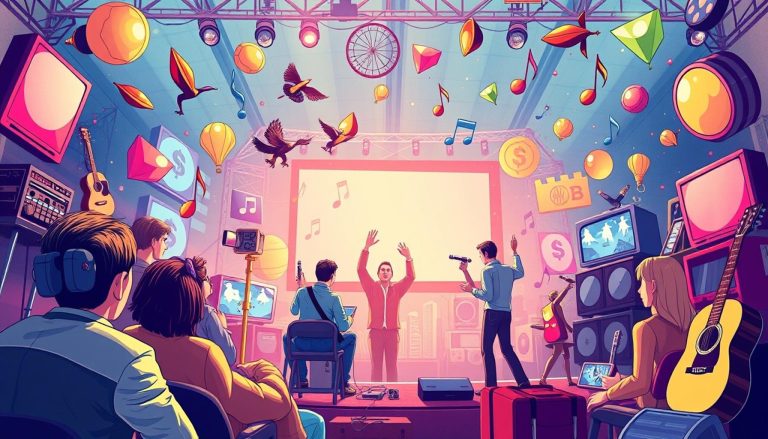

Revisiting the Classics: The Emotional Impact of Iconic Music Videos on the Millennial Generation
Exploring Iconic Music Videos
Music videos have always served as a powerful medium, transcending mere entertainment. For the Millennial generation, these visual masterpieces are more than just moving images; they evoke deep-seated emotions and nostalgia. This emotional impact shapes their cultural identity and influences contemporary artists today. In a world where visuals are often consumed in quick snippets, iconic music videos remind us of the artistry and storytelling capabilities of the medium.
Defining Moments in Music Video History
- Thriller by Michael Jackson – A groundbreaking fusion of horror and dance, this 1983 video not only redefined storytelling in music videos but also became a cultural phenomenon. With its cinematic quality, elaborate choreography, and special effects, “Thriller” raised the bar for all future music videos. The iconic dance sequence remains a popular milestone, influencing artists and dancers alike, and is often referenced in pop culture.
- Smells Like Teen Spirit by Nirvana – Released in 1991, this video embodied the angst of a generation and became an anthem for youth rebellion. The raw energy, rebellious imagery, and chaotic atmosphere mirrored the sentiments of disillusioned youth, further cementing Nirvana’s place in music history. The music video became synonymous with the grunge movement, representing not just a shift in musical style but also a cultural awakening.
- Single Ladies by Beyoncé – Released in 2008, this video set new standards for choreography and empowerment in music. With its minimalist black-and-white aesthetic, it showcased Beyoncé’s exceptional dance skills and highlighted themes of female empowerment and independence. The “Single Ladies” dance became a viral sensation, proving the lingering appeal and impact of dance as a storytelling element in music videos.
These classic videos resonate with Millennials, often triggering memories of their formative years. Moments spent watching these iconic clips on MTV or YouTube become significant milestones, intertwined with personal experiences and collective nostalgia. They highlight significant cultural shifts and serve as a backdrop to personal milestones, such as first crushes, breakups, and life-changing friendships. But what is it about these visuals that continues to captivate audiences?
The Ingredients of Emotional Resonance
- Nostalgia – These music videos often recall a simpler time filled with personal or shared experiences, transporting viewers back to their youth. This nostalgia is powerful; it serves to strengthen connections among fans, creating a shared language of memories.
- Relatability – The themes and messages displayed in these videos often reflect personal struggles or joys, allowing viewers to connect on a deeper emotional level. Whether it’s the pain of heartbreak or the bliss of love, many can relate to the emotions portrayed visually.
- Cinematic Quality – High production value creates an immersive experience. Stunning visuals, compelling narratives, and innovative concepts captivate audiences, leading to a prolonged interest in the songs and the artists themselves. Videos shot with cinematic precision often convey emotions that resonate well beyond the music.
Understanding these elements can provide insight into the lasting legacy of music videos. As we delve deeper into their influence, we discover how these classics continue to shape the emotional landscape for Millennials today. They not only reflect the evolving nature of music but also the complexities of culture, identity, and the human experience. This powerful blend of storytelling, artistry, and emotional connection is what makes music videos an enduring aspect of modern entertainment.
The Emotional Journey of Music Videos
For the Millennial generation, music videos are much more than just a visual accompaniment to a song; they are an integral part of their emotional landscape. As this generation grew up in a time of rapid technological change, the way they consumed music transformed, making high-quality music videos essential to their experience. These videos not only entertained but also provided a lens through which they could explore their own identity and the world around them.
The Power of Connection
Music videos often serve as a stages for shared experiences, creating a communal space where individuals feel a sense of belonging. The emotional responses elicited by iconic music videos can be profound, evoking feelings that range from joy to heartbreak. As Millennials relive these videos, they often find themselves revisiting life’s significant transitions and milestones. Whether it’s the empowering anthem of self-discovery presented in Beyoncé’s “Single Ladies” or the raw angst portrayed in Nirvana’s “Smells Like Teen Spirit”, the emotions captured in these visuals resonate deeply.
Impact of Lyrics and Visuals
- Symbolism – Many music videos use rich imagery and symbolism to convey complex themes. This depth allows Millennials to interpret the content in various ways, often relating it to personal experiences. For example, the haunting imagery in Michael Jackson’s “Thriller” transcends music and delves into themes of fear, love, and acceptance.
- Narrative Structure – Storytelling is at the heart of many music videos. The narrative arc often mirrors real-life challenges and journeys, allowing viewers to connect emotionally with the content. Millennials have been known to reflect closely on how these stories relate to their own lives.
- Visual Aesthetics – The artistic choices and high production values of iconic music videos elevate the viewing experience. Striking visuals can create a lasting impression, accentuating the emotions conveyed in the song itself. This combination often leads to a heightened connection with the music, as seen in Lady Gaga’s “Bad Romance.”
These elements of symbolism, narrative structure, and visual aesthetics emphasize the multi-layered emotional impact of iconic music videos. As Millennials reminisce about their childhood and teenage years, these vivid memories are often sparked by the visuals they once consumed. It is this intersection between music, memory, and emotion that underscores the significance of these clips. Such reflections highlight how these videos have become part of a cultural lexicon, shaping an entire generation’s values and perceptions.
In understanding the power of iconic music videos, we begin to unravel the intricate ways they have shaped the Millennial experience. With each replay, these videos continue to reinforce emotional connections that define not only individual journeys but also the collective experience of a generation navigating the complexities of life, love, and identity.
| Category | Impact on Millennials |
|---|---|
| Cultural Nostalgia | Many iconic music videos evoke strong feelings of nostalgia in Millennials, enhancing their emotional connection to the music and artists. |
| Visual Storytelling | These videos often incorporate rich visual narratives that resonate with the experiences and struggles of a generation, creating lasting impressions. |
| Social Connection | The shared experience of iconic music videos fosters a sense of community among Millennials, forming bonds over music and memories. |
| Emotional Resonance | Music videos that connect emotionally lead to greater appreciation for the artist’s message, deepening the listener’s engagement and loyalty. |
The emotional impact of music videos on Millennials extends beyond mere entertainment. This demographic often finds themselves reflecting on their personal journeys through the art of visual storytelling, as many classic music videos portray scenarios that parallel their own life experiences. Notably, these artistic expressions can revive powerful emotions, allowing viewers to reconnect with pivotal moments in their lives. Moreover, iconic music videos have also facilitated the rise of social media culture, where sharing and discussing favorite videos can spark conversations among peers, bridging gaps in generational differences. The profound connection that Millennials feel towards the subjects of these visual narratives underscores their significance in shaping cultural discussions, contributing to a richer understanding of their collective identity. Furthermore, as they revisit the classics, Millennials are not just entertained; they’re engaging in a deeper exploration of their emotional landscapes, prompting them to reflect on their values, relationships, and aspirations in today’s fast-paced world. Each iconic video serves as a capsule of emotions, making these pieces timeless relics in the ever-evolving music landscape.
Timeless Themes That Resonate
As Millennials sift through an expansive library of music videos, it becomes evident that certain themes resonate profoundly across time and context. The emotional impact of these videos often stems from their ability to address universal human experiences—such as love, loss, rebellion, and personal growth—with a freshness that continues to captivate. Iconic videos, like Madonna’s “Like a Prayer” and OutKast’s “Hey Ya!”, blend engaging narratives with enriching visuals, allowing audiences to explore both the past and the present.
Rebellious Spirit
The defiance showcased in iconic music videos captures the Millennial generation’s struggle for self-identity and authenticity. For instance, the raw energy of Green Day’s “American Idiot” became a rallying cry during the tumultuous political landscape of the early 2000s. The imagery and lyrics spoke to a generation seeking to challenge societal norms, ultimately resonating with their personal experiences of frustration and the quest for change. This innate rebelliousness continues to inspire younger audiences, who find themselves echoing these sentiments decades later.
Representation and Vulnerability
As representation gained momentum in pop culture, Millennial music videos began to reflect a broader spectrum of identities and experiences. Frank Ocean’s “Nikes” is one such video that broke the mold by incorporating a nuanced portrayal of love, vulnerability, and the complexities of modern relationships. By exploring themes of sexuality and self-acceptance, it paves the way for emotional connections that resonate distinctly with a generation grappling with similar issues.
- Intersectionality – The combination of various identities has made way for the emergence of more relatable narratives in music videos. Beyoncé’s “Formation” illustrates how race, feminism, and culture intersect, granting a voice to those who have long yearned for representation, thereby affirming the struggles and triumphs of individual lives.
- Empowerment through Authenticity – The significance of authenticity cannot be understated. Ariana Grande’s “No Tears Left to Cry” serves as an anthem of resilience and strength amid personal adversity, encouraging Millennials to embrace their vulnerabilities as sources of empowerment.
Not only do these videos showcase powerful visuals and compelling narratives, but they also echo the realities that many Millennials experience daily. This connection leads to an intricate emotional tapestry, allowing viewers to derive personal significance from content that may initially appear universally relatable.
The Role of Nostalgia
Nostalgia plays a pivotal role in how Millennials engage with iconic music videos. In an era overflowing with information and change, revisiting these artistic pieces can elicit a comforting sense of the past. For example, the joyous reunions celebrated in Backstreet Boys’ “I Want It That Way” evoke happy memories of simpler times and carefree weekends spent with friends. Such emotional callbacks highlight the power of nostalgia in reinforcing the messages conveyed in music videos while also underscoring the shared cultural history of this generation.
This emotional connection empowers Millennials to not only reflect on their past but to also shape their future through the lens of the art they admire. As they navigate life’s complexities, these timeless music videos become anchors, reminding them of where they’ve been and reinforcing the importance of staying connected through art. The aesthetic, emotional, and cultural dimensions of these iconic pieces continue to resonate, making them an enduring aspect of the Millennial experience.
Reflections on the Power of Music Videos
In concluding our exploration of the emotional impact that iconic music videos have had on the Millennial generation, it is clear that these artistic expressions are more than just entertainment; they serve as cultural artifacts that encapsulate the spirit of a generation. The power of music videos to address profound themes such as love, pain, rebellion, and self-discovery allows them to transcend the boundaries of time, offering Millennials a unique lens through which to reflect on their own experiences.
The connection these videos create through shared emotional narratives cannot be overstated. As Millennials continue to grapple with complex social issues, the reinvigorated interest in classics like Madonna’s and Green Day’s works showcases how the past offers comfort and clarity in today’s fast-paced world. The visual storytelling embedded in these videos provides a sense of nostalgia that resonates deeply within a generation constantly seeking meaning amidst chaos.
Moreover, the ongoing evolution of representation in music videos highlights the changing landscape of identity and the pursuit of authenticity. As younger audiences rediscover classic works alongside contemporary pieces, they engage in a wider dialogue about culture, emotion, and personal growth. This dynamic interaction enriches their understanding and appreciation for the arts as an influential vehicle for self-expression.
In essence, revisiting these classic music videos not only rekindles cherished memories but also fosters a deeper awareness of the shared human experience. It invites Millennials—and future generations—to reflect on their past while inspiring them to pave the way for an empathetic and inclusive future. As we celebrate these artistic milestones, we recognize their vital role in shaping our emotional landscape and cultural identity.

Restore Music Editorial Team researches and publishes original editorial content about songs, artists, albums, music videos, and music history. Our goal is to provide accessible, well-structured music stories supported by context, references, and cultural analysis.