Reflection Spaces: Creating Meditation and Relaxation Areas with Minimalism and Optimization
The Importance of Reflection Spaces in Modern Life
As modern life accelerates, the pursuit of reflection spaces becomes paramount. It’s well-documented that stress significantly impacts overall health, with the American Psychological Association noting that around 77% of people regularly experience physical symptoms caused by stress. Moreover, a study by the National Institute of Mental Health shows rising cases of anxiety and depression, further amplifying the need for effective coping strategies.
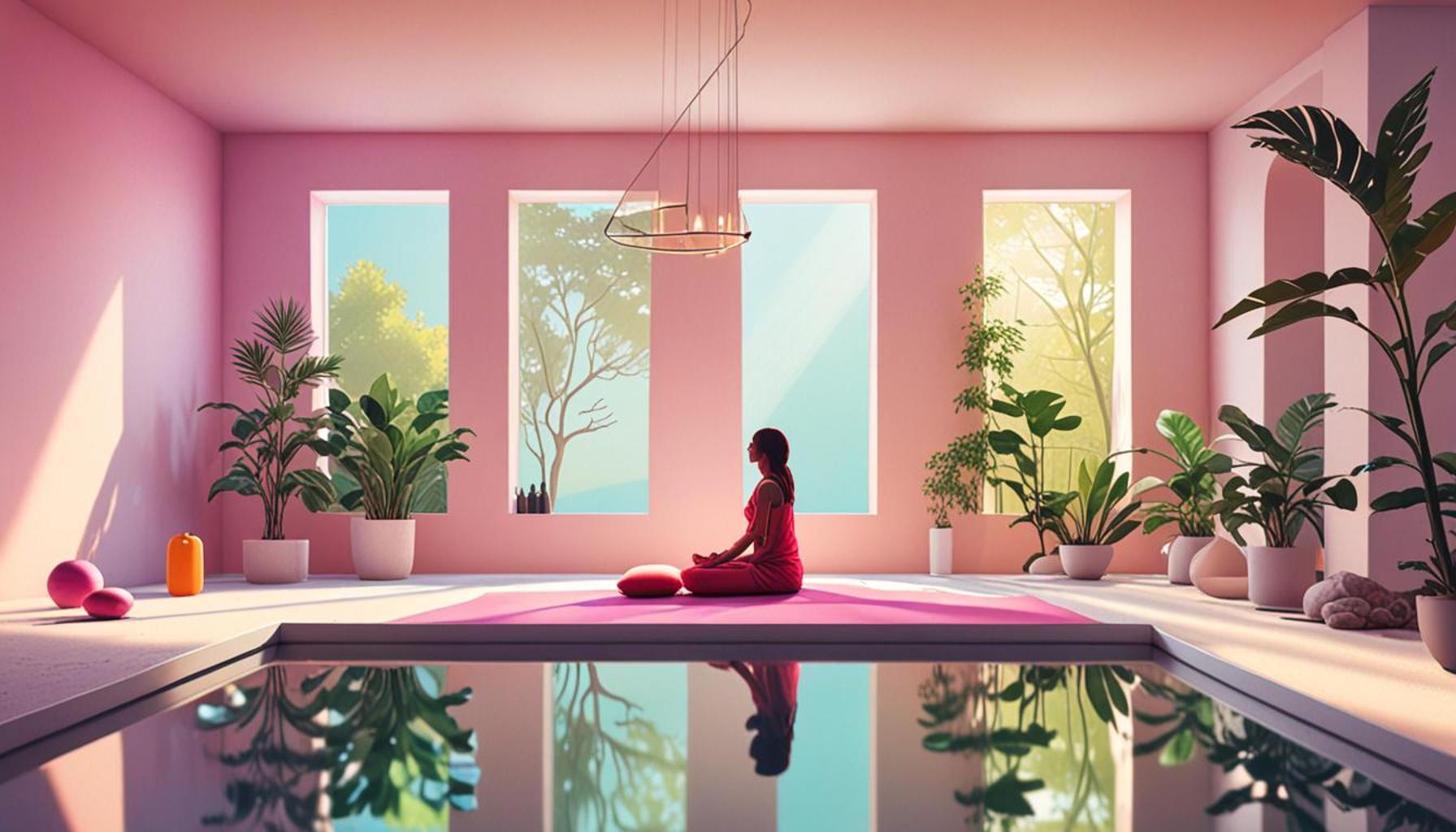
One crucial aspect of establishing a meditation area is ensuring it promotes a calming atmosphere through the use of natural light. Large windows that invite sunlight not only brighten up the space but can also enhance mood and productivity. Studies have shown that exposure to natural light can lead to increased levels of serotonin, a neurotransmitter that contributes to feelings of happiness. On the flip side, soft lighting, such as dimmable lamps or flickering candles, can foster a sense of warmth and security, making it easier to unwind and meditate.
Equally important is the philosophy of minimal decor. By reducing visual clutter, you can create an environment that minimizes distractions. Consider incorporating a few select items that resonate with you personally, such as a favorite piece of art or a cherished photograph. The key is to select pieces that evoke positivity rather than add to the chaos of everyday life. This intentional curation directly supports mindfulness practices, allowing for deeper concentration during meditation sessions.
Using natural materials within your meditation space can further enhance your sensory experience. Materials like bamboo, cotton, and stone not only provide tactile comfort but also connect you to nature, fostering a sense of grounding. You might include soft cushions made of organic cotton or a wooden meditation bench, which can facilitate better posture during seated practices.
In the process of creating your serene environment, don’t overlook the role of color psychology. Soft blues and greens are known for their calming effects, while warmer hues can evoke feelings of warmth and coziness. Finally, think about integrating sound therapy into your reflection space. Gentle music or nature sounds can create an auditory backdrop that encourages relaxation, helping to mute distracting noises from the outside world.
The endeavor to design your meditation oasis is a rewarding journey. Every detail, from color to material and light, can help transform an ordinary room into a true sanctuary for relaxation and self-reflection. By embracing these elements, you unlock the potential for a profound inner journey that not only enhances mindfulness but also greatly contributes to improved mental well-being.
EXPLORE MORE: Click here to discover the benefits of simplified living
Designing Your Perfect Reflection Space
Creating a reflection space is not merely about setting up a corner in your home; it is an intentional act of enhancing mental clarity and emotional stability. When embarking on this journey, it is essential to focus on key elements that align with the principles of minimalism and optimization. By prioritizing simplicity, you not only allow for a more open and welcoming environment but also lay the groundwork for a profound experience of relaxation and meditation.
Choosing the Right Location
The first step in crafting a meditation area is the selection of its location. Opt for a spot that feels naturally peaceful, away from the hustle and bustle of daily life. Whether it’s a sunlit corner in your living room or a secluded area in your backyard, the goal is to identify a place that can become a personal retreat. In urban environments, this might mean utilizing a balcony or even a spacious bathroom. Here are some factors to consider when determining the ideal location:
- Noise Level: Ideally, your space should be relatively quiet, free from the distractions of street noise or household activity.
- Natural Elements: Positioning your area near plants or outside where you can feel the breeze contributes to a sense of tranquility.
- Accessibility: Ensure the space is easily reachable throughout your day, encouraging you to engage with it regularly.
Incorporating Mindful Furniture Choices
Once the location is settled, the next task is selecting furniture that complements the meditative purpose of the area. Minimalist design emphasizes the importance of functional pieces that contribute positively to your experience. Below are suggestions for pieces to enhance your reflection space:
- Meditation Cushions: These provide comfort and support, enabling longer meditation sessions without discomfort.
- Benches or Mats: A simple wooden bench or a comfortable mat can offer an inviting surface for sitting or lying down.
- Storage Solutions: Consider minimal shelves or bins that keep your reflection tools (like journals or incense) organized yet unobtrusive.
Fostering a Sense of Calm
Integrating sensory elements is vital to the creation of a reflective oasis. Aside from color and lighting, other sensory inputs such as texture, scent, and sound play an integral role in shaping your space. Here are ways to cultivate a soothing atmosphere:
- Aromatherapy: Use essential oil diffusers or candles with calming scents like lavender or chamomile to induce relaxation.
- Textiles: Soft, inviting fabrics underfoot, such as a textured rug or plush throw, can enhance comfort and warmth.
- Sound Elements: Consider gentle background music, wind chimes, or a water feature that creates soothing white noise for meditation.
By thoughtfully considering the location, furniture, and sensory aspects, you can create a dedicated space that truly nurtures your journey towards mindfulness. Each piece contributing to your reflection space should serve a purpose, aligning with the overall goal of achieving a serene sanctuary for personal growth and peace.
Exploring Essential Elements for Your Reflection Space
Creating a meditation or relaxation area is not just about design; it’s about fostering a unique atmosphere conducive to mindfulness. To delve deeper into how to optimize these spaces, let’s explore key aspects that play a crucial role in setting the stage.First, consider incorporating natural elements. Use materials like wood, stone, or plants that can help connect you with nature and provide a sense of tranquility. Natural light can enhance the mood significantly, so select a location that invites in sunlight or use soft, warm artificial lighting to create a soothing ambiance.The colors you choose are equally important. A minimalist approach often uses soft, neutral tones, which promote calm and aid in reducing distractions. Colors like pastel greens, light blues, and soft whites offer a peaceful atmosphere where you can unwind and reflect.Another aspect to consider is furniture selection. Minimalism favors functional and simple designs, so opt for seating that is comfortable yet unobtrusive. A floor cushion or a low-backed chair can offer comfort while maintaining an uncluttered look.Moreover, integrating technology mindfully can enhance your space. Utilize sound machines or soothing music playlists to aid relaxation, but ensure that they do not detract from the overall minimalistic theme. The goal is to balance technology with tranquility.Finally, devote a corner or a shelf to reflection tools. Whether it’s books on meditation, journals for reflection, or art pieces that inspire you, these items can enhance your experience without overwhelming the space.By understanding these essential elements and making intentional decisions, you can craft a reflection space that not only embodies minimalism but also encourages a deeper connection to self and surroundings.
| Key Aspect | Description and Benefits |
|---|---|
| Natural Elements | Incorporates materials like wood and plants to create tranquility. |
| Color Selection | Utilizes soft, neutral tones to promote calm and reduce distractions. |
| Furniture Choice | Opt for simple, functional furniture for comfort without clutter. |
| Mindful Technology | Integrate sound machines or playlists while maintaining tranquility. |
| Reflection Tools | Include books, journals, or art to inspire reflection. |
By merging these elements, your space can transform into an oasis of peace that aligns with the principles of minimalism and promotes effective relaxation and meditation.
DIVE DEEPER: Click here for more insights
Creating the Right Ambiance for Reflection
The ambiance of your reflection space plays a crucial role in fostering an environment conducive to meditation and relaxation. Minimalism asks for less clutter and distractions, allowing your mind to settle into a state of serenity. Let’s explore how to optimize this ambiance by leveraging color, lighting, and aromatics to elevate your space further.
Color Psychology: Choosing the Right Palette
Colors can influence mood and energy levels significantly. Employing a thoughtful color palette in your reflection space can promote tranquility and focus. Consider the impact of these colors:
- Soft Blues and Greens: Known to evoke feelings of calmness and serenity, these shades mimic nature and are ideal for meditation settings.
- Earthy Tones: Shades like muted browns and gentle beiges can create a grounding atmosphere, encouraging feelings of stability and warmth.
- Whites and Neutrals: Keeping the primary color scheme light allows for an airy feel, making the space feel more expansive and open.
For optimal results, limit the use of bold and stark colors that can be jarring or overstimulating. Instead, emphasize soft and muted shades that instill a sense of relaxation.
Lighting: Natural and Artificial Solutions
Lighting is another critical element that contributes to the overall feel of your reflection space. Aim for a combination of natural light and gentle artificial lighting:
- Natural Light: Whenever possible, position your meditation space where it can benefit from sunlight during the day. Natural light helps regulate mood and can enhance creativity.
- Layered Lighting: Utilize dimmable lights to control the brightness of your space. Soft, warm-hued bulbs create a gentle glow that fosters relaxation.
- Accent Lighting: Incorporate candles or lamps with soft shades to add depth and warmth to the environment, making it more inviting.
By carefully curating your lighting choices, you can effortlessly transition your reflection space from day to night, aligning with the needs of your meditation practices.
Incorporating Nature: Elements of Biophilic Design
Biophilic design emphasizes the connection between humans and nature. Introducing natural elements into your meditation area can significantly enhance your experience:
- Plants: Consider incorporating low-maintenance plants like succulents or snake plants. These not only improve air quality but also add a touch of life and vibrancy to the space.
- Natural Materials: Use materials such as wood, stone, and organic fibers in your furniture and decor. These elements evoke a sense of connection with the earth and promote tranquility.
- Views: If your space overlooks a garden or natural landscape, leverage these views as part of your meditation practice. Nature visuals can significantly enhance relaxation.
The Power of Mindfulness Tools
Finally, consider the inclusion of mindfulness tools that support your reflection practices. These can be simple yet meaningful additions:
- Journals: Keep a dedicated journal for reflection and gratitude. Writing can help process thoughts and emotions, creating a deeper connection to one’s mental state.
- Inspiration: Decorate your space with inspiring quotes or artwork that resonates with your journey. This can serve as a visual reminder to stay present.
- Sound Tools: Consider mindfulness bells or singing bowls which can provide auditory cues that signal the start or end of a meditation session.
By integrating these elements into your reflection space, you can create a multi-sensory experience that nurtures your spirit. Each component serves the dual purpose of minimizing distractions while optimizing your environment for introspection, ultimately contributing to a fulfilling meditation practice.
DISCOVER MORE: Click here to enhance your workspace
Conclusion: The Essence of Reflection Spaces
In today’s fast-paced world, creating a reflection space where meditation and relaxation can flourish is not merely a luxury; it is a necessity. As life accelerates, prioritizing moments of stillness becomes essential for mental clarity and overall well-being. By employing the principles of minimalism and optimization, you can cultivate a serene oasis that promotes tranquility and self-awareness. For instance, utilizing a muted color palette, such as soft blues or earthy tones, can evoke feelings of calm while reinforcing relaxation. Similarly, soft, adjustable lighting options, such as dimmable LED lamps or even natural light from a nearby window, can significantly shape the ambiance of your meditation area.
Incorporating natural elements—like houseplants, stones, or water features—further enhances this peaceful environment. Research indicates that exposure to nature can reduce stress and increase well-being, making these elements not just visually appealing but beneficial for your mental health.
Moreover, integrating mindfulness tools such as journals for reflective writing, inspiring decor with motivational quotes, and sound aids like calming music or white noise machines enrich the meditative experience. These items not only personalize your space but also fortify the bond between mind and environment, enabling a deeper connection during your moments of reflection.
As you construct your reflection space, remember to prioritize comfort, simplicity, and personal meaning. Whether it’s a cozy mat, a favorite chair, or the inclusion of cherished mementos, these factors are essential in minimizing distractions and allowing for deeper introspection. In a rapidly changing environment, your reflection space should be adaptable; it should evolve with you, welcoming potential for growth and providing comfort through periods of both change and stability.
Ultimately, the journey of nurturing a reflection space is an ongoing process. Whether through subtle adjustments or complete overhauls, each decision contributes to a more optimized sanctuary that aligns with your unique needs and preferences. Embrace the transformative power of your reflection space, which can become a safe haven that empowers you to explore your mind and spirit. By doing so, you foster peace and introspection in every moment, paving the way toward holistic well-being and a deeper understanding of yourself.