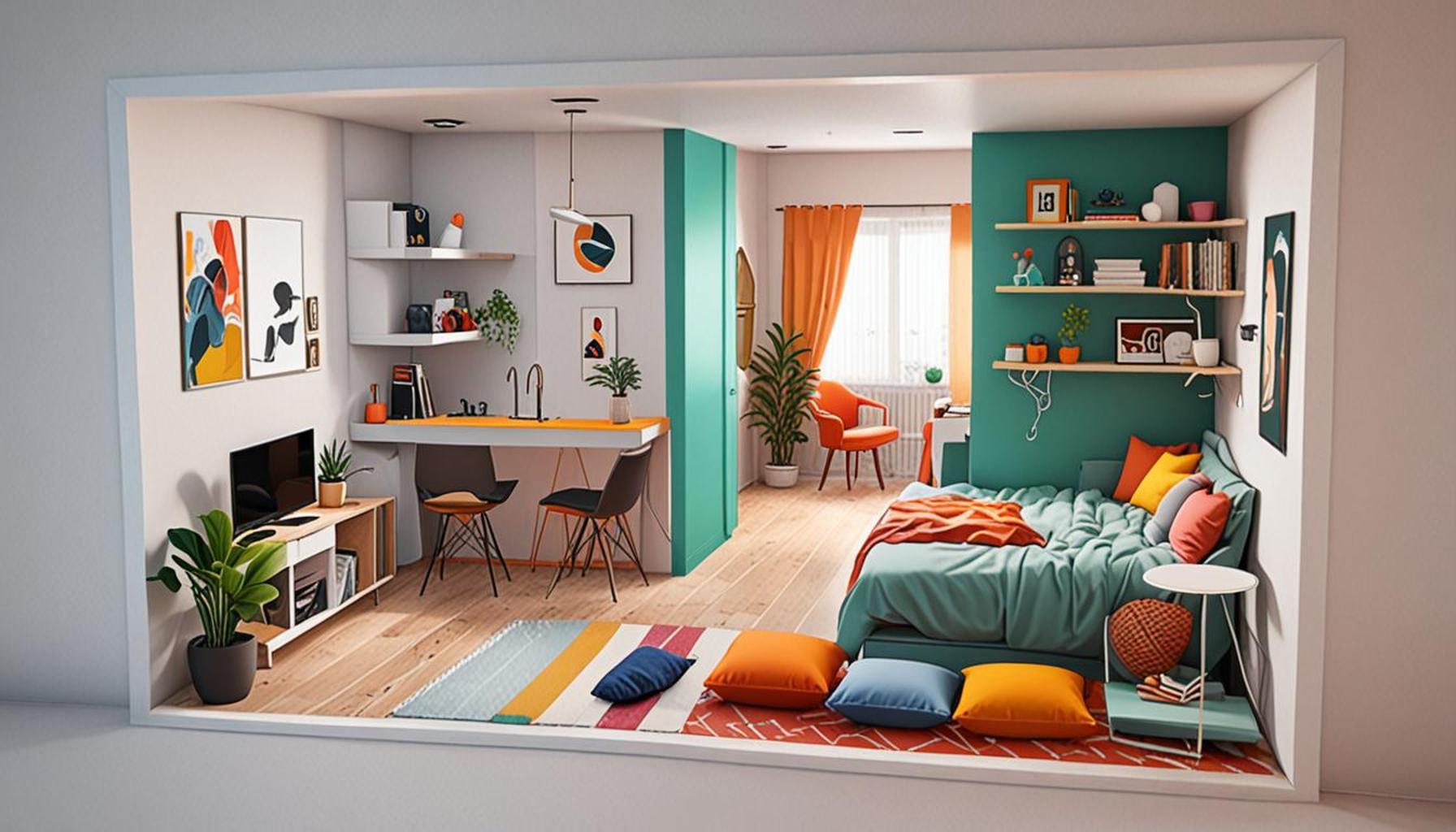
Minimalism and Sustainability: Space Optimization Strategies that Reduce Waste and Consumption

Understanding Minimalism and Its Benefits
In recent years, the concept of minimalism has transcended from a mere aesthetic to a profound lifestyle choice that aligns harmoniously with sustainable living principles. As more people become aware of the environmental crises facing our planet, minimalism offers a compelling way to not only simplify one’s life but also contribute positively to the environment. This intentional approach is characterized by thoughtful consumption, waste reduction, and prioritizing meaningful experiences over material possessions.
Conscious Consumption
At the core of minimalism lies conscious consumption. This means purchasing only items that significantly enhance your life or serve a practical purpose. For example, instead of buying the latest gadget simply because it’s a trend, a minimalist might opt for a high-quality, multi-use tool that aligns with their needs. This practice not only curbs unnecessary spending but also reduces the demand for products that contribute to environmental degradation.
Waste Reduction
Another critical aspect is waste reduction. Individuals practicing minimalism often seek out products with sustainable packaging or, ideally, no packaging at all. Simple steps could include shopping at local farmers’ markets for fresh produce, which often come with less packaging than supermarket offerings, or utilizing reusable shopping bags to eliminate single-use plastic. This conscious choice helps to minimize landfill contributions and protect ecosystems from harmful waste.
Intentional Living
Intentional living is about making choices that reflect your values. Instead of accumulating items, minimalists focus on enriching experiences. For instance, they may choose to spend money on travel, workshops, or classes that foster personal growth rather than material goods. This value shift significantly enriches one’s life, fostering deeper connections with people and the world around them.
Effective Strategies for Minimalism
Implementing minimalist principles can be straightforward with the right strategies:
- Multi-functional furniture: Investing in pieces like a sleeper sofa or a dining table with storage options can drastically reduce clutter in your home.
- Decluttering regularly: This could mean spending a few minutes each week evaluating what you truly use and need. Items that no longer serve a purpose can be donated or recycled, allowing others to benefit.
- Digital solutions: Transitioning from paper-based methods to digital alternatives can significantly cut down on waste. For instance, opting for e-billing or going digital with your reading through e-books helps save trees and reduce clutter.
Ultimately, these strategies lead to both a more organized living space and a more sustainable life. By embracing minimalism, individuals not only pave the way for personal well-being but also extend their commitment to environmental stewardship. This lifestyle change speaks to a growing awareness of how our individual choices can collectively lead to significant ecological impacts.
In a world increasingly burdened by consumerism, minimalism provides a refreshing perspective that champions simplicity and sustainability. By making informed choices, anyone can contribute to this transformative movement that prioritizes well-being and ecological health, creating a better future for generations to come.
DISCOVER MORE: Click here to learn about clutter management
Space Optimization: The Intersection of Minimalism and Sustainability
As our living spaces become increasingly cluttered with consumer goods, the principles of minimalism provide effective solutions for optimizing space while promoting sustainable practices. By adopting a minimalist mindset, individuals can transform their homes into functional sanctuaries that not only look aesthetically pleasing but are also environmentally responsible. Employing strategies that focus on space optimization can significantly reduce waste and consumer habits, contributing to a greener future.
Maximizing Space with Minimalist Design
Minimalist design emphasizes the importance of functionality over excess. By carefully selecting essential items that serve multiple purposes, individuals can maximize their available space. For instance, modern homes are increasingly integrating smart technology, such as modular furniture that adapts to different needs. This could manifest in the form of a coffee table that doubles as a storage unit or a bed with built-in drawers. Such innovations not only save space but also diminish the need for additional purchases, which can lead to waste.
The 80/20 Principle
Implementing the 80/20 principle, known as the Pareto Principle, can further enhance decision-making in a minimalist lifestyle. This principle suggests that 80% of our results come from 20% of our efforts. When applied to clutter and consumption, it encourages individuals to evaluate which items in their possession provide the most value. By concentrating on the core 20% of belongings that truly serve a purpose or bring joy, one can effectively eliminate the remaining 80% that often accumulates over time and contributes to waste. This selective process not only promotes a more intentional living environment but also aligns well with sustainable principles.
Embracing the ‘One In, One Out’ Rule
To maintain a minimalist lifestyle and avoid the trap of accumulating unnecessary items, the ‘One In, One Out’ rule is a practical strategy. This rule dictates that for every new item brought into the home, an existing item must be removed. This method not only encourages mindful purchasing habits but also helps maintain a clutter-free space. The association between consumption and waste becomes much clearer when individuals recognize the immediate impact of their choices on their living environment.
Creating a Waste-Reducing Environment
In the pursuit of minimizing waste, individuals can create an ecosystem within their homes that adheres to sustainability principles. Here are some strategies to foster a waste-reducing environment:
- Opt for sustainable materials: Whenever possible, choose furniture and decor made from recycled, upcycled, or responsibly sourced materials.
- Incorporate plants: Indoor plants not only beautify a space but also improve air quality, enhancing both well-being and the environment.
- Embrace second-hand shopping: Thrift stores and online marketplaces are treasure troves for high-quality, pre-owned items, further curbing consumption.
By employing these space optimization strategies, individuals not only refine their own living environments but actively participate in a larger movement toward a sustainable future. A minimalist approach encourages a lifestyle marked by thoughtful choices that resonate with personal values and environmental stewardship, ultimately creating less waste and a reduced carbon footprint.
| Category | Description |
|---|---|
| Space Efficiency | Maximizes use of available space, creating functional environments that minimize clutter. |
| Sustainable Living | Incorporates eco-friendly materials and practices, promoting a lifestyle that reduces environmental impact. |
| Resource Management | Encourages the efficient use of resources, leading to lower consumption and reduced waste. |
| Minimalist Design | Promotes simple aesthetics that focus on functionality over excess, fostering tranquility and clarity. |
In adopting the principles of minimalism, individuals and organizations are turning to sustainable systems that not only optimize space but also encourage an environmentally conscious approach. Strategies such as vertical gardening and multi-functional furnishings illustrate how creative solutions can enhance living spaces while minimizing waste. By valuing quality over quantity, minimalist advocates are redefining consumption patterns, steering communities toward a greener future. Exploring new methodologies, such as zero-waste homes and upcycling, provide further insights into effective sustainability practices that protect our resources. This intersection of minimalism and sustainability showcases how small, intentional changes can lead to significant impacts on our planet’s health. These innovations inspire a curiosity to delve deeper into how we can all contribute to a less wasteful and more mindful way of living.
DISCOVER MORE: Click here for insights on minimalist organization
Creating a Conscious Consumption Cycle
One of the most powerful ways to embrace minimalism and sustainability is by establishing a conscious consumption cycle. This concept revolves around understanding the full lifecycle of products, from creation to disposal, empowering consumers to make informed choices that positively impact the environment. By understanding the effects of their purchases, individuals can cultivate a lifestyle that prioritizes sustainability.
Researching Brands and Products
Before shopping, it is essential to conduct thorough research on brands and products. Many companies now prioritize sustainable practices, utilizing ethical sourcing and environmentally friendly materials. Consumers can find resources such as sustainability scorecards and certifications that rate companies on their environmental impact. For instance, brands like Patagonia are well-regarded for their commitment to sustainability, setting a standard for mindful shopping. By supporting such companies, individuals can contribute to a market ecosystem that values sustainability over mass production.
Prioritizing Quality over Quantity
Adopting a mindset that values quality over quantity can lead to a significant reduction in waste. Instead of purchasing multiple low-quality items, investing in fewer, high-quality pieces enhances longevity and functionality. For example, opting for a high-quality pair of shoes instead of several cheaper alternatives not only reduces clutter but also minimizes the environmental impact associated with the production and disposal of these items. This trend aligns well with minimalistic designs that emphasize simplicity and craftsmanship, ensuring that belongings are cherished rather than discarded.
The Share Economy: Redefining Ownership
The rise of the sharing economy marks a significant shift in consumer culture, promoting efficiency and decreasing waste. Platforms like Airbnb, Zipcar, and clothing rental services have transformed how people think about ownership. This shift allows individuals to use items they may need only occasionally without the burden of permanent purchase, resulting in a more sustainable approach to consumption. By utilizing shared resources, individuals not only save space but also diminish the demand for new products that require production and disposal.
Optimizing Space with Intention
Beyond the physical aspects of decluttering, intentionality plays a crucial role in space optimization. Designing spaces to serve clear purposes enhances both functionality and sustainability. For example, creating a dedicated area for recycling and composting can encourage individuals to adopt waste-reducing habits. Additionally, integrating multifunctional spaces can foster a sense of mindfulness, reminding occupants of their commitment to minimalism and sustainability. For instance, a living room could double as a workspace, minimizing the need for additional furniture and reducing overall consumption.
Mindful Habits: The Road Ahead
To further enhance a sustainable and minimalist lifestyle, individuals should integrate mindful habits into their daily routines. Here are a few strategies:
- Practice digital decluttering: Just as physical spaces become overloaded, digital spaces can also benefit from minimalism. Regularly cleaning up files and unsubscribing from unnecessary emails can streamline digital consumption.
- Engage in community exchanges: Organizing community swaps or tool-sharing groups encourages neighbors to share resources, fostering community bonding while reducing overall consumption.
- Track your consumption: Keeping a journal of purchases and evaluating their necessity can provide insight into habits that may require adjustment.
By fostering a conscious consumption cycle and integrating innovative space optimization strategies, individuals can align their lifestyles with minimalistic and sustainable values, forging a healthier relationship with both their belongings and the environment.
DISCOVER MORE: Click here to uncover effective strategies
Conclusion: Embracing a Sustainable Minimalist Future
As we have explored throughout this article, embracing minimalism and sustainability is not merely about decluttering our physical spaces; it is a holistic approach that affects our consumption habits, lifestyle choices, and overall relationship with the environment. By creating a conscious consumption cycle, individuals can make mindful decisions that prioritize sustainability, championing products from brands committed to ethical practices and environmental stewardship.
The move toward valuing quality over quantity fundamentally shifts the narrative of consumerism, encouraging individuals to invest in fewer, long-lasting items rather than fleeting, low-quality products. This not only reduces waste but also fosters appreciation for craftsmanship and sustainability. In tandem, the rise of the sharing economy redefines traditional notions of ownership, allowing for resource efficiency and a more collaborative approach to consumption.
Additionally, optimizing spaces with intention reinforces our commitment to minimalism, enhancing functionality while reducing clutter. Incorporating mindful habits into our routines—like digital decluttering and community exchanges—serves as practical strategies to cultivate a lifestyle that aligns with sustainable values.
Ultimately, adopting a minimalist mindset is a transformative journey that extends beyond personal benefits. As more individuals commit to these principles, we can collectively reduce waste, lower consumption, and work toward a healthier planet. Now is the time to reflect on our choices, redefine our values, and embrace the possibilities that sustainability offers for a brighter future.