
Simplified Living: Creating a Zen Space at Home
Embracing Serene Spaces in Your Life
Imagine stepping into a space that calms the mind and energizes the soul. A Zen space at home fosters tranquility, allowing you to retreat from the chaos of everyday life. In our increasingly hectic routines, where stress often reigns supreme, curating a sanctuary within our own four walls is not merely a luxury but a necessity for mental well-being.
One of the first elements to consider on your journey toward simplified living is the power of natural light. Research has shown that exposure to sunlight can significantly enhance mood and mental clarity. Large windows, skylights, and glass doors can invite in the sun’s rays, making your space feel open and inviting. You can also combine lighter window treatments with mirrors strategically placed to reflect light, amplifying its effect throughout your space.
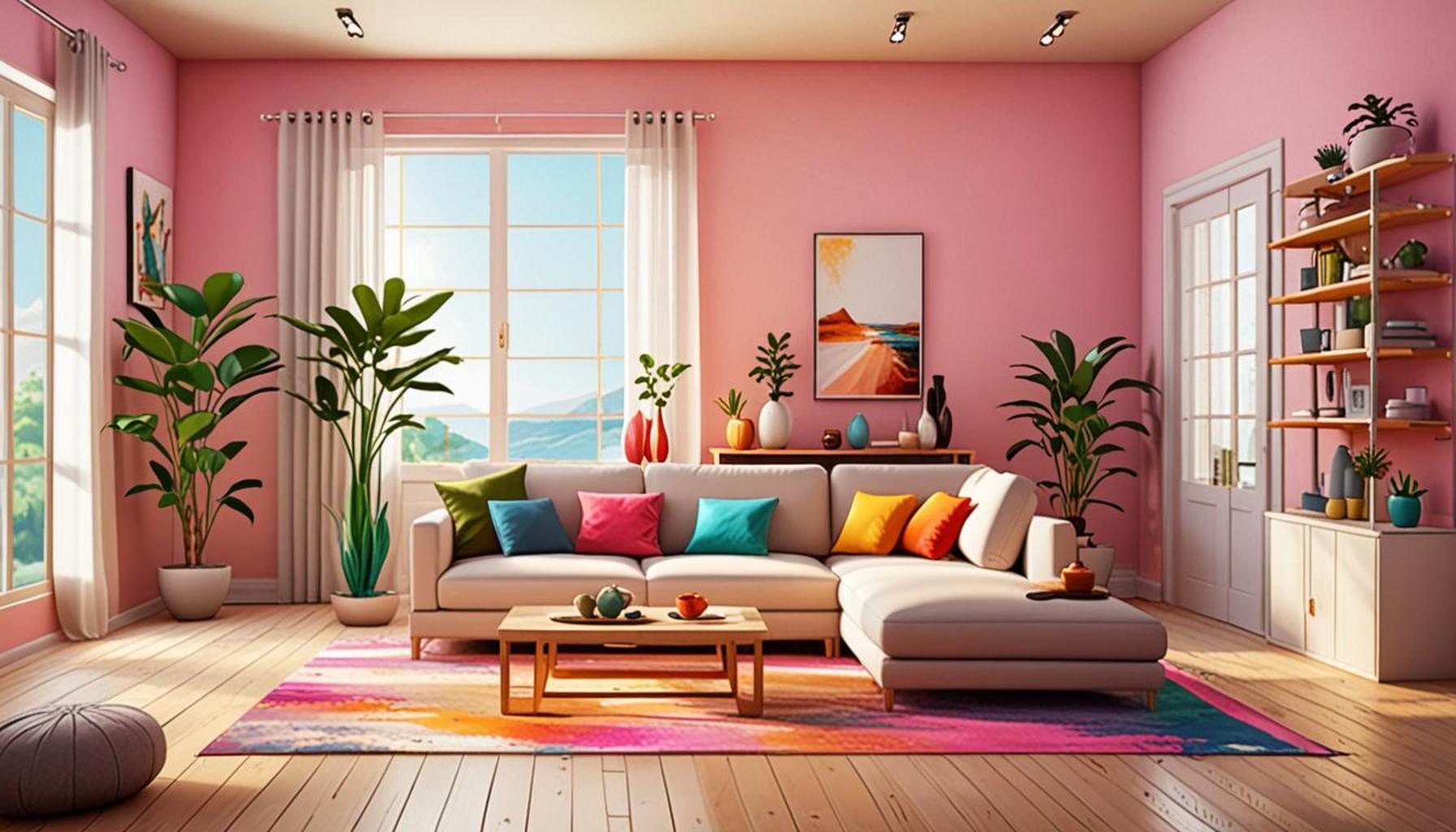
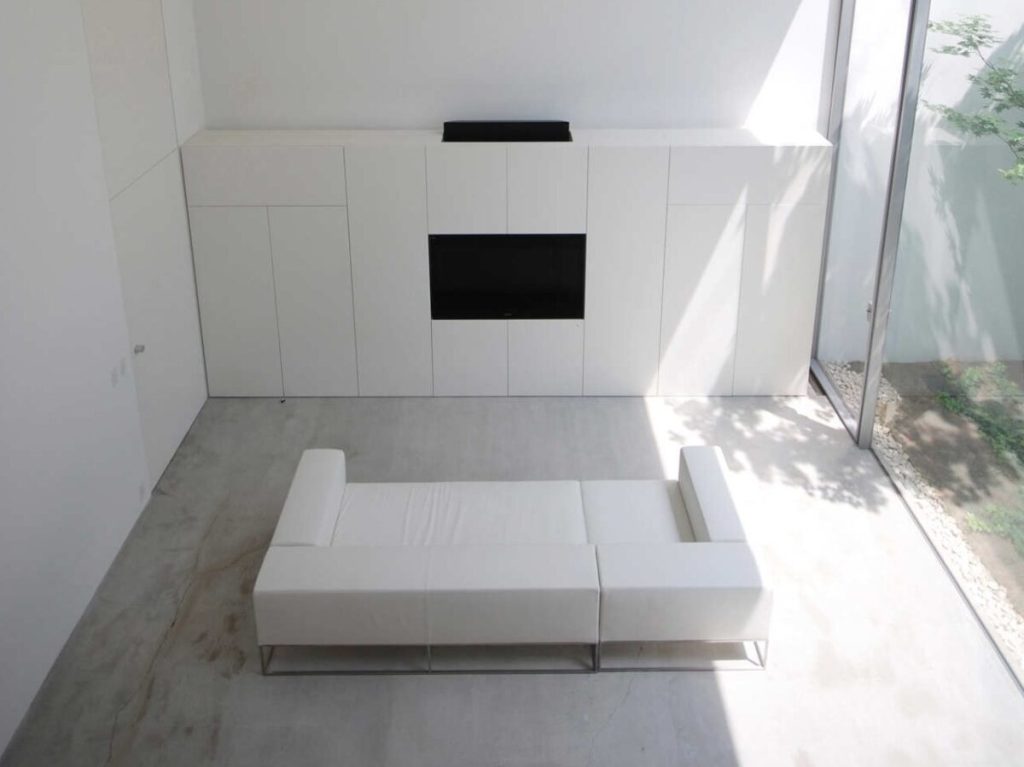
Next, minimalist decor plays a crucial role in achieving a peaceful environment. Consider embracing clean lines and neutral colors, which create a serene aesthetic. For example, a living room adorned with a simple, elegant sectional in soft beige can evoke a sense of calm, especially when paired with understated artwork. Decluttering surfaces and choosing a few meaningful decorative pieces, rather than an array of knick-knacks, can enhance this peaceful atmosphere immensely.
Another essential component for a tranquil home is the integration of indoor plants. Not only do they purify the air, but they also add a touch of nature to your living space. Popular options for indoor greenery include snake plants and peace lilies, both of which are known for their air-cleaning properties and easy maintenance. Studies reveal that being around plants can reduce stress and foster feelings of comfort and contentment, transforming your home into a nurturing sanctuary.
Creating your personal sanctuary starts with recognizing what brings you joy and calm. This might involve decluttering areas where unnecessary items accumulate or choosing decor that resonates with your spirit. The intention behind your choices—be it a fragrant candle, a comfortable chair for reading, or art that inspires you—holds the key to transforming your environment.
As you explore the principles of simplified living, remember that every small change can lead to a profound impact. Whether it’s adjusting your furnishings or altering your color palette, engaging with your surroundings mindfully will allow you to rediscover the beauty of simplicity. As you dive deeper into the world of Zen, you’ll be surprised how these adjustments can cultivate a profound sense of peace in your daily life.
DIVE DEEPER: Click here to uncover the secrets of minimalism
Designing Your Zen Sanctuary
As you embark on the journey of creating a Zen space, it becomes paramount to prioritize functionality alongside aesthetics. An organized, well-planned home not only enhances the beauty of the space but also encourages a sense of purpose and tranquility in daily activities. Start by assessing how each room in your home serves you; consider what activities you engage in and how you can streamline those processes. For instance, in a workspace, having essential items within reach can minimize distraction and create a fluid environment that fosters focus.
To further your pursuit of a Zen space, consider implementing the principle of feng shui, an ancient Chinese practice centered on harmonizing individuals with their surrounding environment. Feng shui emphasizes the flow of energy, or “chi,” and advocates for a balanced arrangement of furniture and decor. For example, aligning your bed or desk to face the door signifies openness to opportunities and enhances your peace of mind. Assessing the energy flow in your home can lead to deliberate placements that maximize comfort and promote a serene atmosphere.
Moreover, embracing natural materials can imbue your living space with a sense of warmth and refreshment. Wood, stone, and bamboo not only resonate with the principles of nature but also usher in the comforting elements that zen living embodies. Incorporating a reclaimed wood coffee table or bamboo shelving can add texture and depth while reflecting an eco-conscious mindset. As you select your materials, aim for those that echo the moral of sustainability, ultimately contributing to both personal and planet well-being.
As you design your Zen sanctuary, it’s essential to curate a selection of scents that evoke tranquility. Aromatherapy plays a significant role in setting the mood of your space, turning a simple room into an immersive sensory experience. Essential oil diffusers can disperse calming fragrances such as lavender or eucalyptus, promoting relaxation and enhancing your meditative practices. Candles infused with natural scents can also become both functional and decorative elements in your Zen space, providing warm illumination and a personally curated olfactory experience.
To sum up, here are key elements to consider when forging your Zen atmosphere:
- Functionality – Ensure that each space serves a purpose and reduces clutter.
- Feng Shui – Arrange your furnishings to enhance flow and promote well-being.
- Natural Materials – Choose eco-friendly options that create warmth and invite nature indoors.
- Aromatherapy – Select soothing scents to enhance relaxation and meditative practices.
Incorporating these fundamental aspects into your home design not only facilitates a tranquil atmosphere but also aligns with your journey toward simplified living. Each conscious decision you make towards this endeavor deepens your connection to peace, creating a retreat from the outside world’s distractions while nurturing mental clarity and emotional serenity.
| Advantages | Description |
|---|---|
| Minimalism | Simplicity encourages decluttering, promoting a calm and organized environment. |
| Mindfulness | Creating a Zen space fosters meditation and mindfulness practices, enhancing emotional wellbeing. |
| Enhanced Focus | A serene environment aids concentration, improving productivity and creativity levels. |
| Connection with Nature | Incorporating natural elements nurtures a sense of peace and connection to the outside world. |
The theme of “Simplified Living: Creating a Zen Space at Home” resonates deeply with those seeking tranquility in an increasingly chaotic world. Emphasizing minimalism, it enables individuals to let go of unnecessary possessions, thereby promoting a cleaner, more organized living space. This process can significantly reduce stress levels and create a calming atmosphere that is essential for nurturing the mind and spirit.Moreover, a Zen-inspired space encourages mindfulness, inviting routines that incorporate meditation and reflection. Through this practice, individuals can enhance their emotional well-being and foster resilience against daily stresses. Furthermore, the focus on simplicity bolsters attention span and creative thinking, qualities that are vital in today’s fast-paced environment.Incorporating natural elements into home design—like plants, light, and natural materials—only strengthens this connection, reinforcing the essence of a tranquil lifestyle. As one delves deeper into the principles of Zen living, they may discover profound benefits that extend beyond the home, enhancing overall quality of life.
DISCOVER MORE: Click here to optimize your workspace
Color Palette and Natural Light
To truly cultivate a Zen space, the color palette you choose can dramatically impact your environment. Soft, muted tones such as whites, beiges, and pastels can invoke a sense of calm and serenity, while bold colors may disrupt the tranquil flow you are hoping to establish. Consider painting walls or selecting furnishings that embody soothing shades—these can serve as a beautiful backdrop that promotes mindfulness. Additionally, colors like pale blue or soft green evoke feelings of nature and can foster relaxation, making them excellent choices for bedrooms or meditation areas.
In tandem with your color selection, harnessing the power of natural light can elevate your Zen space further. Light is a fundamental aspect of creating an inviting atmosphere. Large windows or strategically placed mirrors can expand and brighten a room while reflecting the beauty of the outdoors. To maximize this effect, opt for sheer curtains that gently filter daylight, allowing it to flood the room without overwhelming glare. The interplay between light and your chosen colors can reinforce the feelings of tranquility and rejuvenation.
Incorporating Greenery
Naturally, integrating plants into your Zen sanctuary can significantly boost the serene vibe of your home. Not only do plants act as living decor, but they also enhance air quality, promote relaxation, and connect us to nature. Low-maintenance options such as textit{snake plants}, textit{peace lilies}, and textit{pothos} are perfect for those new to plant care, offering a striking visual while requiring minimal effort. Strategically placing indoor plants around your home can create a sense of tranquility and demonstrate your commitment to simplified living.
For those looking to deepen their connection to nature, consider creating a small indoor garden with herbs like textit{basil} or textit{mint}, which can also be utilized in cooking. Not only does this provide a sensory experience and calming routine, but the act of nurturing plants can form a meditative practice in itself—encouraging presence and mindfulness.
Creating Cozy Nooks
Every Zen space should include cozy corners or nooks designed for relaxation and reflection. A comfortable chair paired with soft throw blankets and cushions can become a focal point for meditative practices, journaling, or simply enjoying a moment of peace. By dedicating specific areas for mindfulness activities such as reading or yoga, you signal to your mind that these are intentional, sacred spaces within your home.
Consider adding elements such as a small bookshelf filled with your favorite inspirational reads or a candle holder that fosters ambiance during practices such as meditation or yoga. These details not only contribute visually but also serve to elevate your practice, creating a seamless blend of beauty and mindfulness.
Technology Awareness
In an age where technology is omnipresent, it is essential to remain mindful of its impact on your Zen space. Assessing your relationship with electronic devices can help you create a calming atmosphere, free of digital clutter. Designate specific areas for technology usage, such as a home office, while limiting its presence in relaxation zones. This intentional separation fosters a holistic environment that supports physical and mental wellness.
Incorporating switches or charging stations can help manage electronic devices, reducing visual distractions. Additionally, consider implementing daily rituals such as a tech detox period, allowing you to disconnect and cultivate an awareness of your surroundings, returning to the peaceful state you’ve created.
Emphasizing the right colors, maximizing natural light, incorporating greenery, creating cozy nooks, and being mindful of technology are critical facets of developing a truly Zen space. Each contributes to the overarching goal of simplified living, inviting peace and mindfulness into your daily life while catering to your unique personal style.
DIVE DEEPER: Click here to discover practical tips
Conclusion
In conclusion, the journey towards creating a Zen space at home is an enriching experience that promotes a lifestyle of simplified living. By attentively curating your environment through calming color palettes, the infusion of natural light, and the strategic incorporation of greenery, you lay the groundwork for a sanctuary that inspires peace and mindfulness. The addition of cozy nooks allows for personal reflection and relaxation, helping to nurture your mental well-being.
As we navigate an increasingly digital world, the significance of technological mindfulness cannot be overstated. Limitations on device usage in relaxation zones can further enhance the serene atmosphere you strive to create. A deliberate approach in managing the physical aspects of your home directly correlates with your mental state, fostering a deeper connection to both your surroundings and yourself.
Ultimately, embracing the principles of simplistic living allows you not only to beautify your space but also to cultivate a richer inner life. Begin this transformative process by making small, intentional changes that resonate with you. By doing so, you engage in a lifelong practice of mindfulness that encourages ongoing growth and self-discovery. Let your home become a reflection of tranquility, where every corner serves to nourish your soul and rejuvenate your spirit.