Nomadic Lifestyles: How Space Optimization Adapts to Frequent Changes
The Evolution of Home and Space Optimization
In a world that is constantly evolving, the concept of a traditional home has taken on new dimensions. Increasingly, individuals are embracing nomadic lifestyles, driven by the desire for flexibility, adventure, and a deeper connection to nature. This shift in how we define home reflects broader societal changes, influenced by technology, work opportunities, and a growing emphasis on experiences over material possessions.
Challenges of Living on the Move
However, living a life on the move poses unique challenges, particularly when it comes to space optimization. In small living spaces, every inch counts, and finding effective solutions for storage and functionality is crucial. Here are some key aspects that nomads consider:
- Minimalism: Reducing possessions to essentials fosters a sense of freedom and clarity. For many, this involves a systematic approach to decluttering, where sentimental items are kept to a minimum, and functionality takes precedence. It’s not uncommon to see nomads owning just a few sets of clothes, versatile cooking utensils, and travel-friendly gear. The rise of minimalism has even spurred a vibrant community sharing tips and tricks on platforms like social media, showcasing the liberation that comes from living with less.
- Multi-functional Furniture: Pieces that serve multiple purposes maximize space efficiency and adaptability. Foldable tables, convertible sofas, and storage ottomans become essential components of a nomadic lifestyle. For example, a simple bench can double as a dining table and extra storage, proving that clever design can significantly enhance livability in compact environments.
- Renovated Vehicles: Vans, RVs, and trailers are increasingly popular, tailored to create livable environments. Many nomads take to YouTube or Instagram to document their renovation journeys, transforming ordinary vehicles into cozy homes on wheels. Equipped with kitchens, bathrooms, and even removable solar panels, these mobile spaces provide convenience and comfort while fostering a sense of adventure.
Social Connections in a Nomadic World
This adaptation to mobile living not only changes how people interact with their spaces but also reshapes their approach to social connections and daily routines. The nomadic lifestyle encourages community building in new ways. Nomads often rely on social media and specialized apps to connect with like-minded individuals, share resources, and even find temporary work along their travel routes to sustain their journeys. This interconnectedness fosters a sense of belonging to a global community that values exploration and discovery.
Innovative Solutions for Everyday Living
As we explore how space optimization techniques transform the nomadic experience, it becomes clear that overcoming spatial constraints leads to innovative solutions. The challenges of frequent relocations are met with renewed perspectives on what it truly means to call a place ‘home.’ By accepting that home is not confined by four walls, but rather defined by experiences and connections, many nomads gain a richer understanding of life itself.
In conclusion, the shift towards nomadic living serves as a powerful reminder of the importance of adaptability in our ever-evolving world. Whether through minimalist living, multi-functional furniture, or renovated vehicles, today’s nomads exemplify how creativity in space optimization can enrich lives regardless of geographical location. As this lifestyle grows in popularity, it invites us all to rethink our definitions of home and community.
DISCOVER MORE: Click here to learn how decluttering can enhance your mental well-being
Redefining Space: Strategies for the Nomadic Lifestyle
As the nomadic lifestyle gains traction among diverse populations, the emphasis on space optimization becomes a critical factor for those frequently adapting to new environments. In this context, space optimization is not merely about making a small area functional; it represents a philosophy that embraces mobility and freedom, challenging traditional notions of ownership and permanency.
Essential Tools for Nomadic Living
For nomads, the tools and strategies they adopt to optimize space dramatically affect their daily lives. Here are some innovative and essential tools that facilitate this lifestyle:
- Storage Solutions: Utilizing vertical space, like high shelving or wall-mounted racks, is essential. Bins that fit under beds or couches provide hidden storage while maintaining accessibility. Innovative organizers that maximize closet space ensure that everything has a designated spot, preventing chaos in these compact living environments.
- Portable Technology: Electronic devices like laptops, tablets, and smartphones play a pivotal role, working seamlessly to connect nomads to jobs, communities, and essential information. Cloud storage solutions allow nomads to keep belongings digitally rather than physically, thus reducing the need for physical storage.
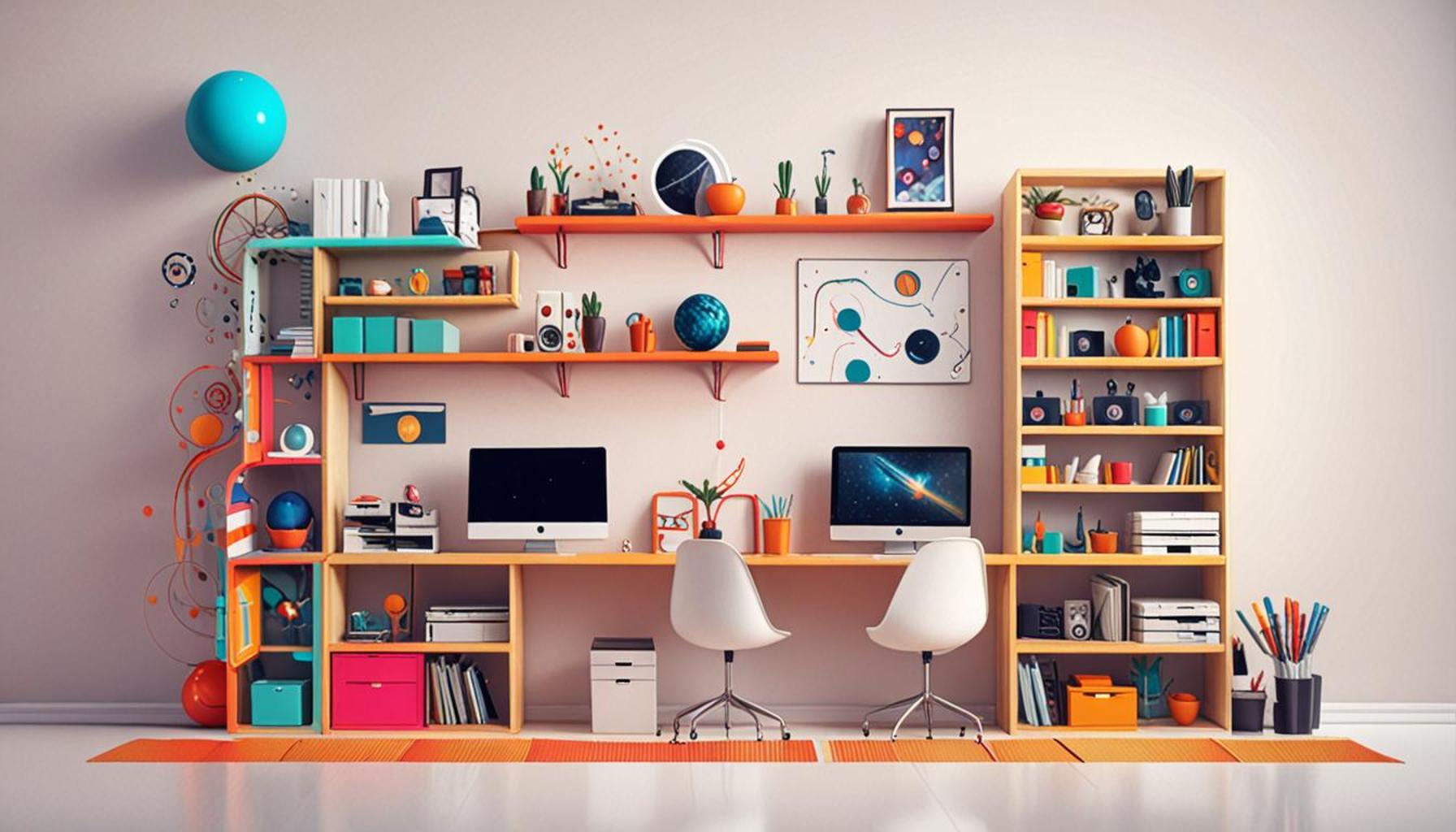
- Customizable Spaces: Many nomadic individuals invest in flexible living arrangements that can be easily adapted. Modular furniture that can be rearranged for different needs, such as a work desk that converts into a dining area, exemplifies a tailored approach to space that prioritizes functionality.
The Importance of Location
Location choice also contributes significantly to how nomads approach space optimization. In urban areas, where housing tends to be smaller, individuals may prioritize accessibility and community resources. Forests, mountains, or beachside areas draw others seeking tranquility and natural beauty, prompting creative outdoor solutions. Portable camping gear, such as tents with built-in storage, enables quick setup while maintaining an organized space for living. This careful consideration of location fosters deeper connections with the surrounding environment and enhances the nomadic experience.
Adapting to Diverse Environments
Every new destination poses its own unique set of challenges and opportunities for nomads when it comes to space utilization. For example, a nomad moving from the bustling streets of New York City to the rugged terrains of the Pacific Northwest may need different strategies for their living area. Adapting to local cultural norms and available resources can lead to innovative living solutions that are both practical and fulfilling. Exploring these diverse environments allows nomads to enhance their sense of creativity and resourcefulness, as they often find themselves recycling materials and upcycling discarded items into functional objects.
Ultimately, the journeys of nomadic individuals illustrate how embracing change can drive innovation in space optimization. By rethinking their relationship with possessions and place, modern nomads are shaping a new narrative around what it means to maintain a home on the move. This evolution invites everyone to reconsider their definitions of comfort and significance, urging a review of our values in the face of modern life’s transient nature.
Exploring the Essentials of Space Optimization for Nomadic Lifestyles
Nomadic lifestyles embrace a unique way of living, characterized by frequent relocations, which demand a well-thought-out approach to space optimization. Individuals who adapt to this constantly shifting environment often harness strategies to make the most of limited living spaces. These methods not only allow for comfort but also foster a sense of belonging no matter where they find themselves.
Innovative Storage Solutions
One of the core principles of spatial efficiency involves innovative storage solutions. By utilizing multifunctional furniture, such as beds with built-in drawers or collapsible tables, nomads create flexible living spaces that can quickly adapt to their changing needs. For example, a sofa that converts into a bed can serve dual purposes, making the area feel more spacious. Vertical storage options, such as wall-mounted shelves, also maximize floor space while providing easy access to personal belongings.
Minimizing Clutter
A clutter-free environment is essential for psychological well-being, especially when transitioning from place to place. Effective decluttering techniques become imperative as individuals learn to evaluate what is truly necessary. Adopting a “one in, one out” policy can help maintain organization and balance during frequent changes, ensuring that only the most cherished items remain in their belongings. Following this philosophy makes packing and unpacking seamless while allowing nomads to maintain a sense of control.
Smart Technology Integration
Integrating smart technology into portable living spaces promotes efficiency and convenience, an essential aspect of nomadic living. Devices such as smart thermostats, lighting, and even apps for managing resources can enhance quality of life while on the move. This intelligent use of technology not only optimizes energy consumption but also simplifies day-to-day tasks, leaving more time for experiences and enjoyment.
Community and Networking
Moreover, fostering connections within the nomadic community is a fundamental aspect of modern nomadic living. Many choose to engage with local networks, both online and offline, to share tips, resources, and experiences regarding spatial optimization. Such interactions serve as valuable learning opportunities and enhance the feeling of camaraderie among like-minded nomads. By mastering the art of space optimization, those living nomadically can adapt more fluidly and immerse themselves in their new environments. This lifestyle empowers individuals to embrace change while cultivating a sense of home, wherever they may roam.
DIVE DEEPER: Click here to discover practical tips
Creating a Sense of Home in a Mobile World
Despite the constant shifts in location, nomads aim to cultivate a coherent sense of home, even in temporary setups. This presents an intriguing challenge—how can one create a space that feels personal and secure while remaining flexible enough to accommodate various environments? The answer lies in both mental and physical adaptations.
Personalized Decor and Artistry
Personalization plays an essential role in transforming a transient living space into one that resonates with individual identity. For many nomads, carrying items that hold sentimental value, such as family photos, handmade crafts, or travel souvenirs, becomes a way to infuse personality into otherwise utilitarian spaces. The practice of decorating with meaningful objects fosters emotional connection, creating an ambiance that feels like home regardless of the physical location.
Additionally, the use of portable art, such as woven tapestries or collapsible furniture with artistic designs, allows for both style and functionality. These items serve as reminders of experiences and adventures, while also optimizing limited space. In essence, artistry not only beautifies these mobile homes but also provides an emotional anchor amidst frequent changes.
The Role of Community
Living a nomadic lifestyle often leads to forming micro-communities wherever individuals travel. Whether through social media platforms, local meetups, or co-working spaces, nomads find support in shared experiences. These communities not only offer emotional reinforcement, but they also serve as valuable resources for space optimization techniques. For instance, nomadic groups often share tips on utilizing local resources or repurposing supplies in innovative ways. By exchanging ideas and solutions, they contribute to a dynamic knowledge pool that enhances the collective adaptability of nomadic lifestyles.
Environmental Responsibility
Interestingly, the very nature of nomadism necessitates a commitment to environmental sustainability. As nomads shift from one place to another, they must engage with local ecosystems responsibly. This connection often leads to innovative approaches to resource management, such as employing solar-powered devices, utilizing rainwater collection systems, or practicing minimal waste lifestyles. The practice of environmental consciousness not only optimizes living but also nurtures a reciprocal relationship with the earth.
This commitment to sustainability extends to the choice of materials and items that travelers carry. Lightweight, durable products are favored as they reduce the burden while ensuring long-lasting usability. Brands catering to this demographic are increasingly producing eco-friendly, multi-functional products, specifically designed for those leading itinerant lives. These advancements underline the convergence of space optimization with an ethical lifestyle.
Flexibility in Functional Layouts
Adapting living spaces for optimal functionality goes beyond decorative choices. Many nomads adopt flexible room layouts that can quickly transition from workspaces to leisure areas. For example, transforming a designated workspace into a cozy reading nook merely by shifting furniture around showcases the versatility that is crucial for nomadic life. The use of lightweight folding screens can also create temporary dividers, allowing for designated zones within single-room setups, catering to both physical and psychological space needs.
Ultimately, creativity shapes the nomadic experience, with space optimization practices evolving from the convergence of personal identity, community interaction, and environmental stewardship. As nomads embrace a lifestyle grounded in adaptability and innovation, they continue to redefine what it means to create a home in a world that is anything but permanent.
DISCOVER MORE: Click here to learn how minimalism can enhance your productivity
Concluding Thoughts on Nomadic Innovation
In a world where the road is home and stability often feels elusive, the nomadic lifestyle exemplifies resilience and innovation in space optimization. The ability to adapt one’s living environment underscores the essence of nomadism—creating a personal sanctuary within transience. As nomads leverage personalized decor, foster community connections, and embrace environmental sustainability, they not only redefine home but also promote a deeper understanding of space utilization.
The strategies employed by nomads highlight the balance between functionality and individuality. By incorporating multifunctional furniture and flexible layouts, they transform their surroundings to meet diverse needs, proving that comfort and practicality can coexist, even in the most dynamic settings. This adaptability facilitates a living experience that transcends physical boundaries, allowing nomads to thrive despite constant change.
As we observe the evolution of nomadic lifestyles, it’s clear that this way of life prompts broader conversations about environmental stewardship and sustainable living. The choices made by nomads ripple through society, inspiring both innovation in resource management and a commitment to minimizing waste. Their example serves as a reminder that a mobile lifestyle can harmoniously align with ecological mindfulness.
In essence, the nomadic lifestyle encourages us to rethink the meaning of home, space, and community, while showcasing the power of adaptability in a rapidly changing world. It calls for a fresh perspective on how we can optimize our own living conditions, regardless of whether we roam or remain rooted. Exploring these new dimensions could inspire individuals to embrace flexibility, creativity, and sustainability in their everyday lives.