Technology and Minimalism: Apps that Facilitate Space Optimization at Home
Embracing Technology for a Minimalist Lifestyle
As we navigate a world overflowing with information and material possessions, finding effective ways to optimize space in our homes has become essential. The minimalist movement promotes simplicity and intentional living, emphasizing the significance of focusing on essential things that genuinely contribute to our quality of life. Modern technology has emerged as an invaluable ally in this pursuit, offering innovative tools aimed at decluttering our living spaces.
Numerous applications dedicated to space optimization allow users to redesign their environments into serene and organized havens. These apps not only enhance personal productivity but also facilitate a new approach to home management. Below are some of the standout features commonly found in these applications:
- Inventory Management: Maintain an updated catalog of your belongings, making it easier to identify what you have, what you might need, and what can be let go.
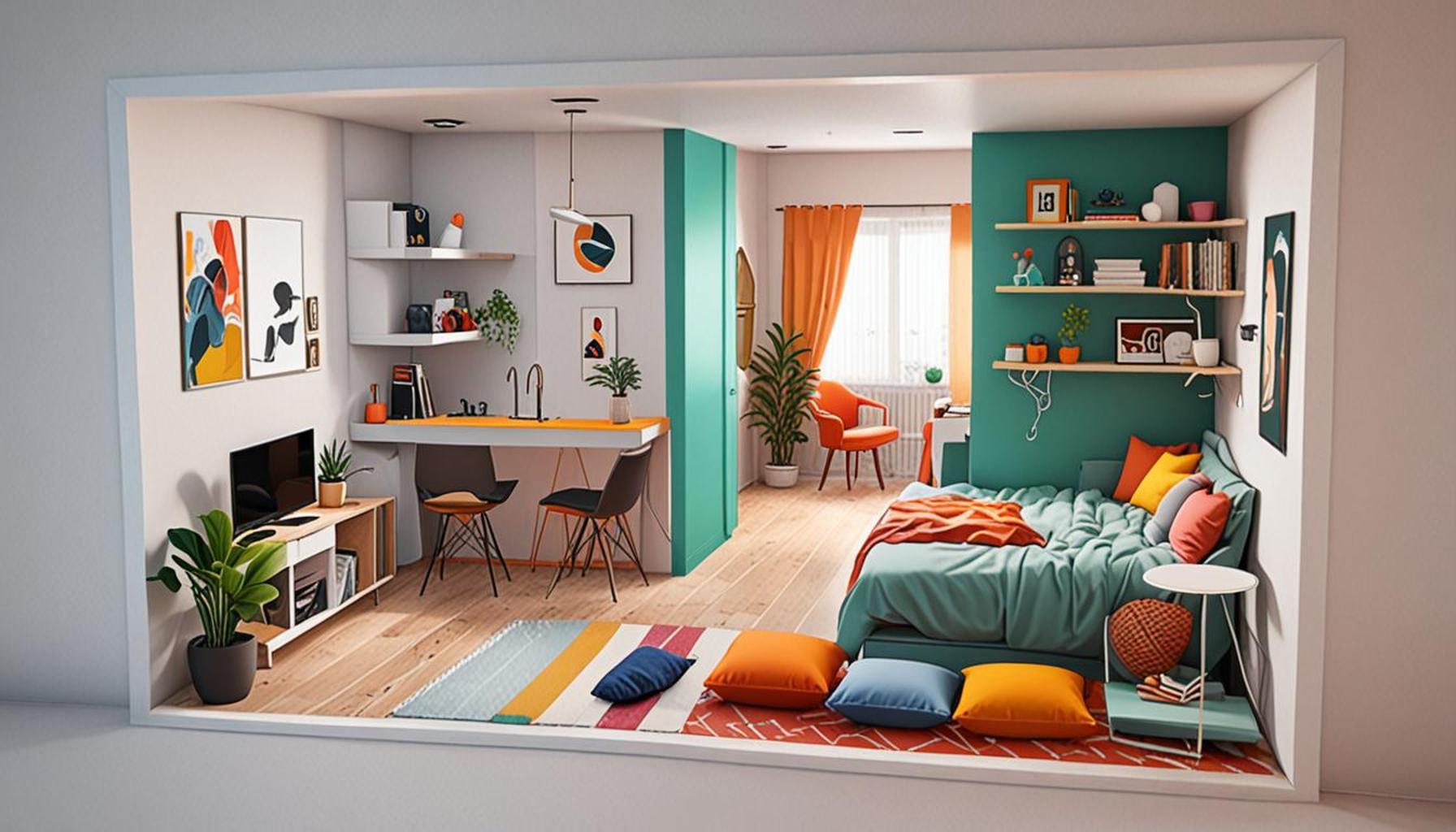
- Room Layout Planning: Utilize virtual tools to visualize your space and experiment with different arrangements, helping to maximize functionality and aesthetics before any physical changes.
- Donation and Selling Options: Seamlessly connect with local charities or online marketplaces, ensuring that unwanted items find new homes instead of cluttering yours.
For instance, applications like Todoist and Decluttr are game changers in the realm of minimalism. Todoist helps users prioritize tasks, which can extend to decluttering projects, allowing for a systematic approach to organizing one’s life. On the other hand, Decluttr simplifies the process of selling unwanted tech and media items, ensuring that users can swiftly turn clutter into cash.
Additionally, applications such as Letgo, now merged with OfferUp, provide a user-friendly platform for listing items for sale in your local community, further promoting sustainable consumption practices. Meanwhile, Canva can be used to create visual boards that help you reimagine your living space’s design cohesively, aligning with minimalist principles.
Considering the benefits and functionalities of these tools sheds light on how technology can significantly enhance our living environments. By embracing these applications, individuals can discover new insights into decluttering while aligning with the essence of minimalism. Through the integration of technology into our daily lives, we can foster a home that is not only aesthetically pleasing but also a true reflection of our values and priorities. Join us as we further explore the most effective apps that facilitate space optimization in pursuit of a minimalist lifestyle.
DIVE DEEPER: Click here to learn more
Revolutionizing Home Organization with Innovative Apps
In today’s fast-paced world, maintaining a minimalist lifestyle can feel overwhelming, especially with the constant influx of new possessions and distractions. Fortunately, technology has stepped in to streamline the process of space optimization at home, transforming how we approach organization and decluttering. By harnessing the power of specific applications, individuals can easily assess their possessions, reorganize spaces, and even sell items they no longer need—all from the palm of their hands.
One of the key advantages of these applications is their ability to help users engage in effective inventory management. With apps dedicated to tracking possessions, such as Sortly and StuffKeeper, organizing personal belongings becomes less daunting. These tools allow you to scan barcodes or take photos of items, creating a visual catalog that makes it easy to see everything you own. This clarity not only aids in recognizing items for donation or sale but also fosters an emotional connection to your belongings, promoting mindful consumption.
Transforming Spaces with Layout Planning
Another essential aspect of minimalist living is optimizing the actual layout of your home. Virtual room planning apps like RoomSketcher and HomeByMe provide users with powerful design tools to rearrange furniture and visualize their spaces in three dimensions. This functionality allows for endless experimentation without any physical effort, ensuring optimal use of every inch. Users can redefine their living spaces by identifying what works best for both style and functionality. These visualizations can lead to surprising insights; a once-cluttered room can become a serene retreat with just a few swipes on a screen.
Effortless Selling and Donation Options
As we embrace minimalism, parting with items can be crucial to maintaining a tidy environment. Typically, this process can feel laborious and time-consuming. However, apps like Apps like OfferUp and Facebook Marketplace simplify the selling and donation process. They allow users to photograph items, write concise descriptions, and reach a broad audience within their communities. For those more inclined towards charitable giving, platforms like GiveBackBox make it incredibly easy to ship unwanted items directly to charities, promoting a sense of social responsibility while decluttering.
These applications represent just a fraction of the tools available to modern minimalists. The synergy between technology and minimalism fosters an environment where individuals can thrive in peace and tranquility. By allowing users to manage their homes more effectively and purposefully, these apps empower individuals with the knowledge needed to curate their lives intentionally. Embracing this technology is pivotal for those committed to the minimalist ethos, enabling them to cultivate spaces that reflect their values and priorities. With this plethora of resources at our disposal, it is time to delve deeper into the most effective apps that facilitate space optimization and further enhance our minimalist lifestyles.
Exploring Space Optimization Apps
As urban living spaces continue to shrink, the need for effective space optimization becomes paramount. This is where technology and minimalism intersect beautifully. Space optimization apps are designed not just to clear clutter, but to enhance functionality within your home, making every square foot count. Many of these applications incorporate augmented reality (AR) and machine learning to visualize how furniture or decor can fit into a space, allowing users to plan their living areas with precision. Users can take photos of their rooms, input dimensions, and receive recommendations on furniture layouts. This minimizes the trial-and-error process of organizing spaces, leading to more efficient use of resources and time.Additionally, some apps focus on inventory management, enabling users to digitize their belongings. By categorizing items, users can easily track what they have and what they might need. This approach reduces the urge to acquire more and encourages mindful consumption—a key principle of minimalism.In an era where sustainability is a growing concern, these apps often emphasize repurposing and recycling. Suggestions for maximizing the utility of existing furnishings are frequently highlighted, steering users away from unnecessary purchases and fostering a culture of resourcefulness.Intriguingly, many applications also integrate community features, allowing users to exchange, lend, or sell items within their neighborhoods. This fosters a sense of community while promoting an eco-friendly lifestyle. Consequently, these applications not only address the need for space efficiency but also contribute to building sustainable habits.So, as you contemplate streamlining your living space, consider how these technology-driven solutions can aid in transforming your home into a sanctuary of minimalist elegance.
| Category | Key Features |
|---|---|
| Augmented Reality | Visualize furniture arrangement in real-time to optimize space utilization. |
| Inventory Management | Track and categorize belongings to prevent unnecessary purchases and inspire minimalism. |
Embracing these modern applications could mean the difference between feeling cramped and maximizing the potential of your living environment.
DISCOVER MORE: Click here for practical tips
Maximizing Space Efficiency with Smart Solutions
Beyond simply tracking belongings or rearranging furniture, technology offers tailored solutions that cater to specific lifestyles and needs, further enhancing the minimalist approach. For instance, Smart Home Apps such as Google Home and Amazon Alexa provide the ability to control devices and manage spaces in ways that optimize convenience and eliminate clutter. These applications can centralize task management by connecting various smart devices, allowing users to streamline chores and reduce physical clutter to maintain a serene living environment.
Streamlined Decluttering with Reminder Features
Another significant advantage of these applications is their ability to help users stay accountable. Applications like Decluttr not only facilitate selling unwanted items but also come equipped with reminder features that encourage regular decluttering. Users can set recurring alerts to rotate through different categories of possessions, such as clothing or electronics, to ensure that their homes remain streamlined and devoid of excess items. This proactive approach promotes a mindset of maintaining minimalism rather than constantly needing to catch up with clutter.
Monetizing Space with Rental Apps
As minimalists seek to curate their living spaces more thoughtfully, some may choose to transform unused areas into opportunities for income. Platforms like Airbnb and Neighbor allow homeowners to rent out extra rooms, storage spaces, or even garages. By listing these areas and managing bookings through dedicated apps, users can both declutter their homes and generate extra income, making the idea of minimalism economically feasible as well as aesthetically pleasing.
In addition to rental opportunities, apps dedicated to storage solutions, such as stowit and Clutter, help individuals identify how to maximize their available space. These specializations often include on-demand storage solutions, where users can request pickups and safe storage of their items, ensuring that everything is accounted for while taking up no physical space at home. This symbiotic relationship between technology and minimalism fosters a seamless living experience.
Smart Organization for Families
For families aiming for minimalism without compromising on lifestyle, family management apps like Cozi and OurHome provide efficient solutions for organizing schedules and grocery lists. They help families synchronize activities, reducing the chaos that often contributes to a cluttered home. By coordinating tasks digitally, families can minimize last-minute purchases or duplicate items, which in turn leads to a more mindful consumption pattern. This collective effort of organization makes the minimalist approach more accessible, especially in multi-member households.
As consumers continue to adopt advanced technology, integrating these applications into daily routines becomes instrumental in achieving a harmonious minimalist lifestyle. By employing smart solutions, individuals not only optimize their physical spaces but also cultivate mental clarity and focus. Ultimately, these tools provide the support needed to maintain a minimalist ethos while embracing the convenience of modern life. With innovations constantly emerging, exploring the latest offerings in apps for space optimization could further enrich the minimalist journey for many households.
DISCOVER MORE: Click here to learn how minimalism can boost your time efficiency
Conclusion: Embracing the Future of Minimalism with Technology
In an age where space is at a premium, the intersection of technology and minimalism is producing innovative solutions that redefine how we utilize our homes. These apps have evolved from simple organizational tools into comprehensive systems that foster a lifestyle of mindful consumption and intentional living. By leveraging smart home applications, users can enhance their routines and manage their spaces more effectively, illustrating a seamless blend of modern convenience and minimalistic principles.
As demonstrated throughout this article, platforms that assist in decluttering, monetizing unused areas, and organizing daily tasks provide crucial support for those seeking to optimize their homes. Features like reminder alerts and on-demand storage not only simplify the decluttering process but also instill a long-lasting mindset that values quality over quantity. Additionally, the rise of rental apps reflects a broader trend where minimalism can be both an aesthetic choice and a viable economic strategy.
As we look to the future, a deeper exploration of emerging technologies can further empower individuals on their minimalist journeys. The continued advancement of applications focused on space optimization has the potential to reshape our living environments, making them not just more functional but also more aligned with our values. Ultimately, technology serves as a catalyst for change, encouraging us to rethink our relationship with our possessions and the spaces we inhabit. By embracing these innovations, we can create homes that are not only uncluttered but also cultivate tranquility and intention.